 Pin It
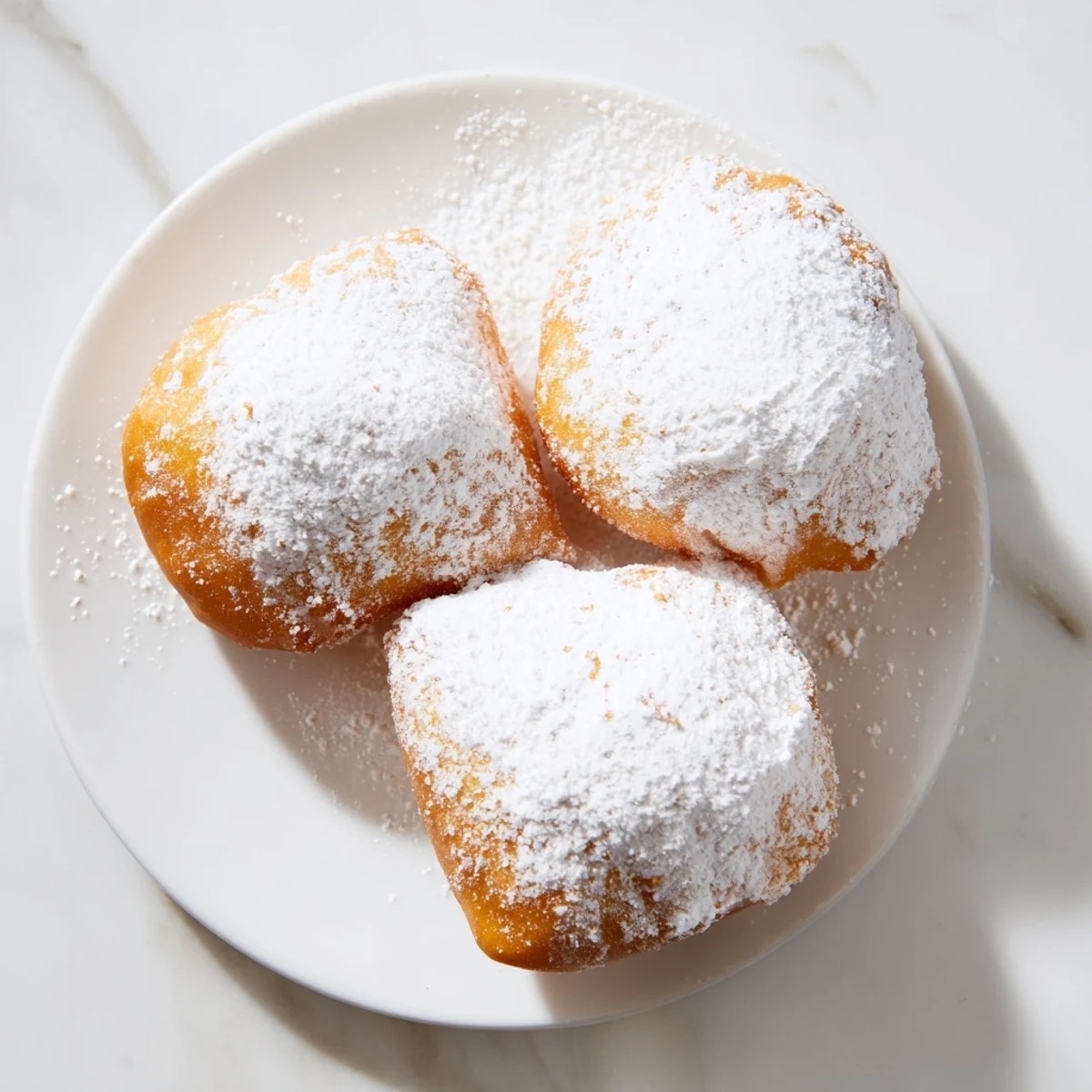
 These fluffy, golden beignets are fried until puffed and crisp, then generously dusted with powdered sugar. A beloved New Orleans delight, they combine soft, airy dough with a sweet finish, ideal for celebrations or a cozy treat. The dough requires a careful rising period for optimal lightness, then is cut and fried in hot oil to achieve the perfect texture. Serve warm for the best experience, perhaps alongside café au lait for authentic flavor.
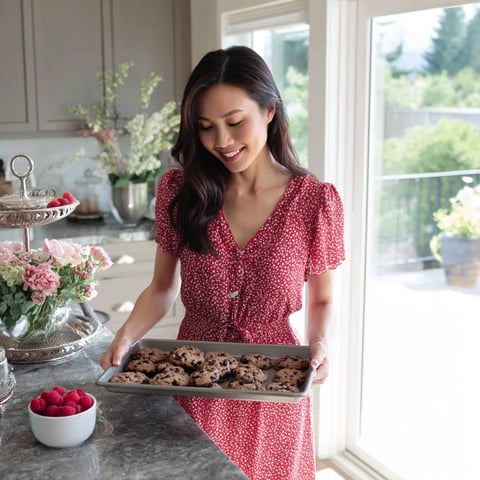
The air in my tiny apartment kitchen was thick with flour dust and the sweet smell of yeast blooming in warm milk, my first attempt at beignets turning into an unexpected snowfall of powdered sugar across every surface. My roommate walked in, coughing through a cloud of white, and immediately asked if we were having a pillow fight or if I had finally lost my mind making breakfast at midnight on a Tuesday.
I made these again during a particularly brutal February, when gray skies had lasted for weeks and everyone needed something frivolous and warm. Friends gathered around my stove, taking turns with the fryer, and the kitchen filled with laughter and the smell of frying dough, temporarily forgetting that winter would last forever.
Ingredients
- All-purpose flour: The foundation that gives structure to these pillowy squares, use unbleached for the best rise and tender crumb
- Warm milk: Activates the yeast and adds richness to the dough, keeping it at exactly 110°F is the secret to perfect proofing
- Active dry yeast: One packet transforms simple ingredients into something magical, give it time to get foamy before proceeding
- Eggs: Room temperature eggs incorporate better into the dough, creating that characteristic soft interior
- Unsalted butter: Melted butter adds subtle richness without overpowering the delicate vanilla flavor
- Powdered sugar: The iconic finish that makes beignets instantly recognizable, be generous and apply while still warm
Instructions
- Awaken the yeast:
- Combine warm milk, yeast and one tablespoon sugar in a small bowl, watching for the foamy layer that proves your yeast is alive and ready to work
- Build the base:
- Whisk together remaining sugar, eggs, melted butter, salt and vanilla until smooth, then stir in the activated yeast mixture
- Form the dough:
- Gradually add flour while mixing until a sticky dough forms, then knead for 5 to 7 minutes until it transforms into something smooth and elastic
- Let it rise:
- Place dough in a greased bowl and cover, letting it rest in a warm spot for about an hour until it doubles in size
- Shape the beignets:
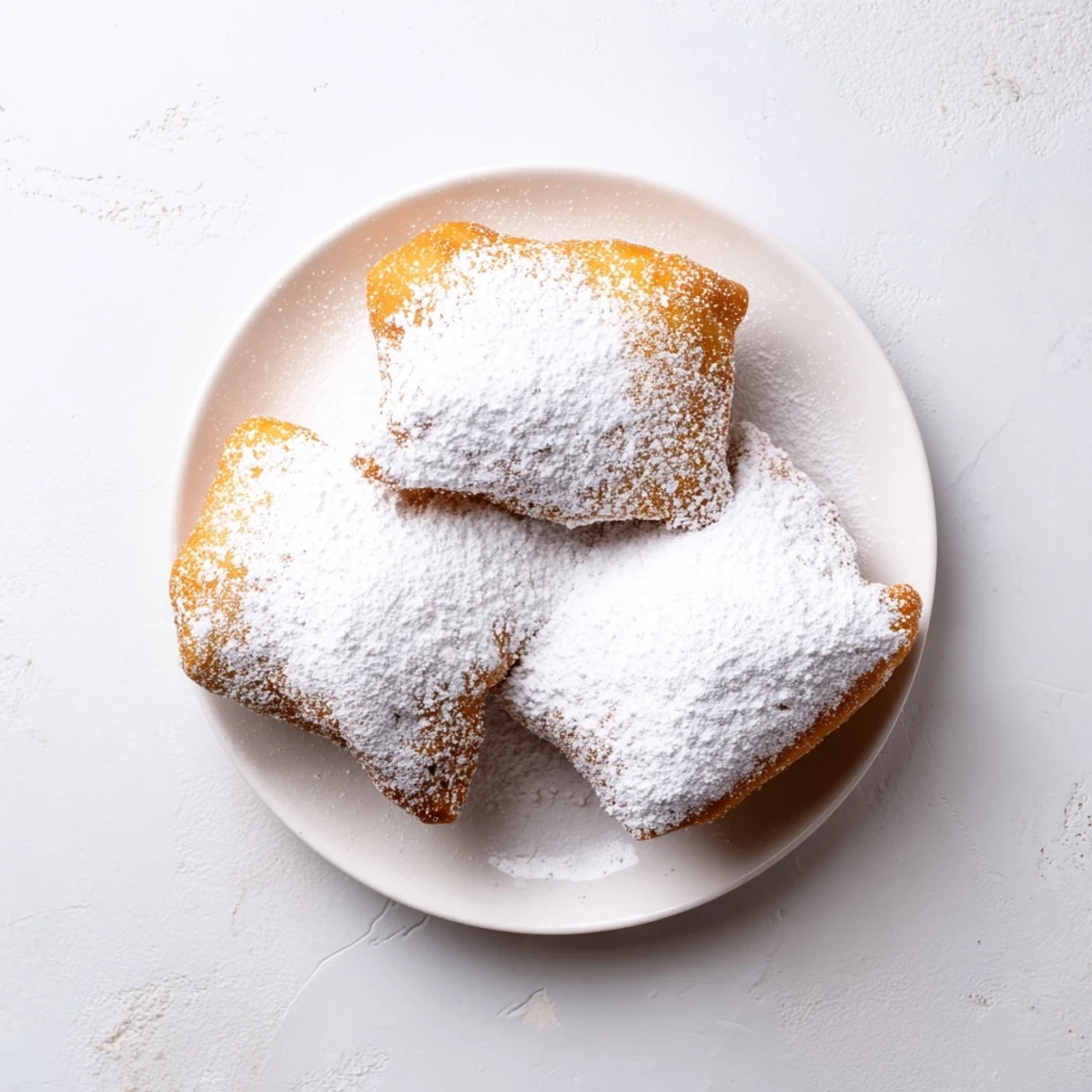
- Punch down the risen dough, roll it to a quarter inch thickness and cut into 2 inch squares using a sharp knife or pizza cutter
- Fry to golden perfection:
- Heat oil to 350°F and fry beignets 3 to 4 at a time for 1 to 2 minutes per side until puffed and beautifully golden brown
- Finish with flair:
- Transfer to paper towels and immediately dust generously with powdered sugar while still warm, covering every surface
 Pin It
 These beignets have become my answer to everything, from broken hearts to promotions, from rainy Sundays to impromptu midnight cravings. Something about standing over hot oil, watching dough transform into something golden and sweet, makes everything feel possible again.
Perfecting Your Frying Technique
After dozens of batches, I have learned that maintaining consistent oil temperature makes all the difference between heavy greasy squares and cloudlike perfection. Use a kitchen thermometer and let the oil return to temperature between batches, never overcrowding the fryer or the temperature will drop too dramatically.
The Art of Sugar Dusting
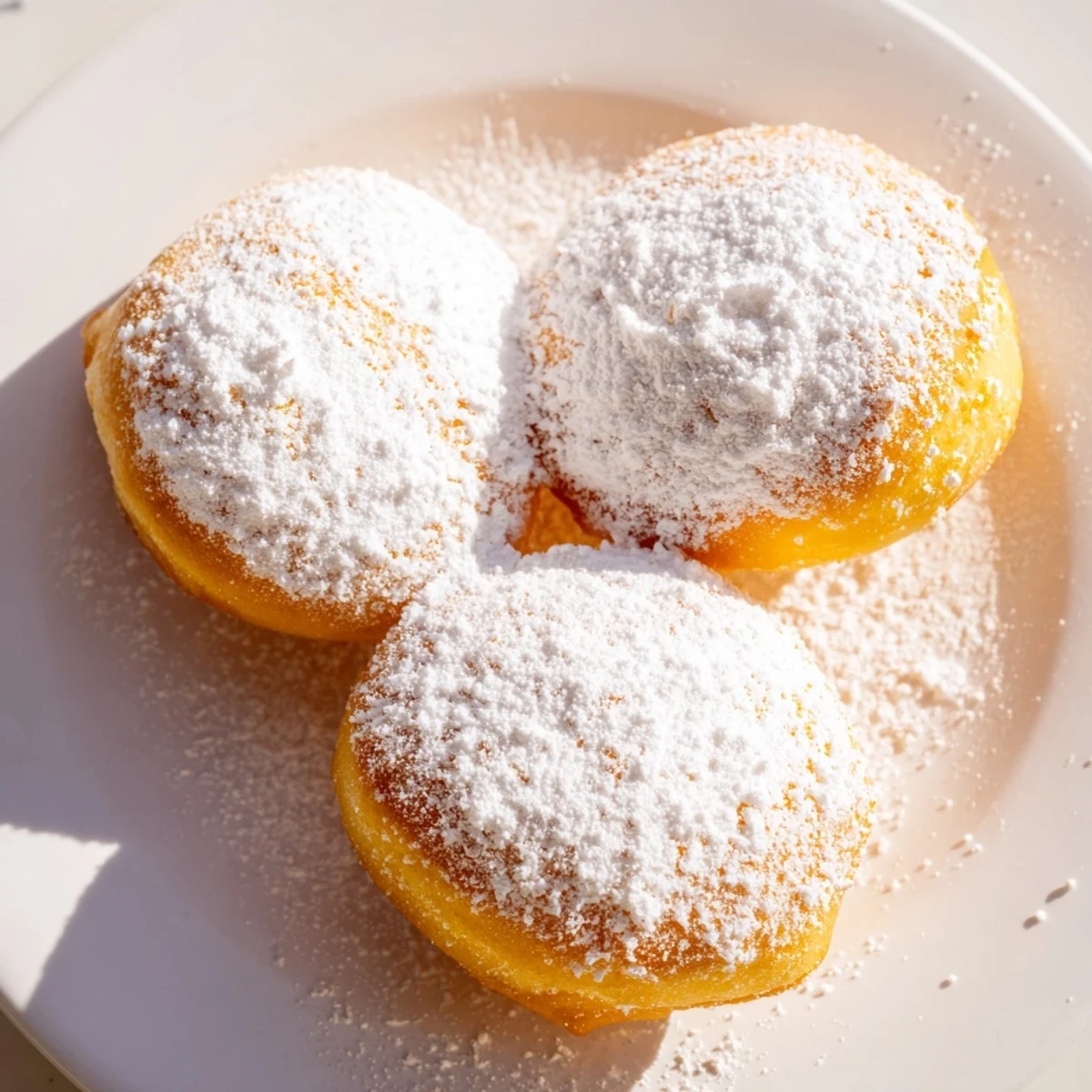
There is a moment right after frying when the beignets are still slightly warm and the powdered sugar adheres perfectly, creating that signature snowy coating that New Orleans is famous for. Use a sieve for even distribution and do not be shy with the sugar, these treats are meant to be messy and indulgent.
Serving Suggestions and Storage Wisdom
While traditionalists will insist on serving beignets immediately with café au lait, I have found they make an incredible base for dessert trifles when slightly staled. Store leftovers in an airtight container for up to one day, and refresh them briefly in a warm oven to restore some of that fresh fried texture.
- Arrange beignets on a wire rack after frying to prevent them from getting soggy on the bottom
- Keep a small bowl of water nearby to dip your fingers when cutting dough, preventing sticking
- Remember that the sugar will continue to settle into the warm dough, so apply generously and often
 Pin It
 May your kitchen be filled with flour clouds and happy chaos, and may every batch bring you closer to the magic of the French Quarter.
Recipe Questions & Answers
- → What is the best oil for frying these beignets?
-
Use a neutral oil with a high smoke point, such as vegetable, canola, or peanut oil, to ensure crisp, golden results.
- → How long should the dough rise before frying?
-
Allow the dough to rise in a warm spot until doubled in size, about 1 hour, to achieve a light and airy texture.
- → Can I add flavor variations to the dough?
-
Yes, a teaspoon of grated lemon or orange zest adds a fresh, citrusy note to complement the sweetness.
- → How do I know when the beignets are perfectly cooked?
-
Fry until they puff up and turn a deep golden brown on both sides, usually 1–2 minutes per side.
- → What is the recommended serving suggestion?
-
Serve the warm beignets dusted with powdered sugar alongside a café au lait for an authentic New Orleans experience.
- → Can leftovers be reheated?
-
Yes, briefly warm them in a low oven to restore softness and freshness without losing crispness.