
 Pin It
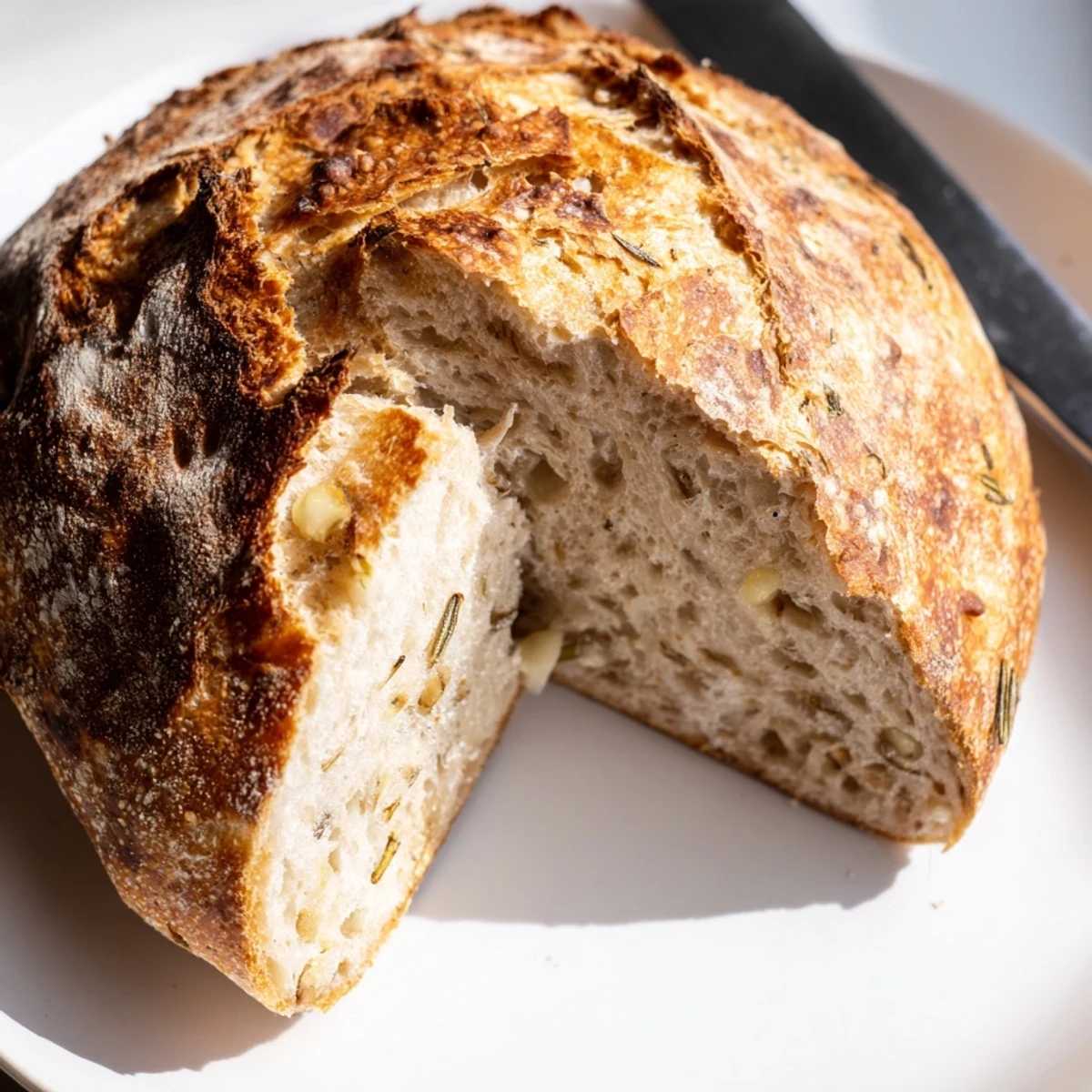
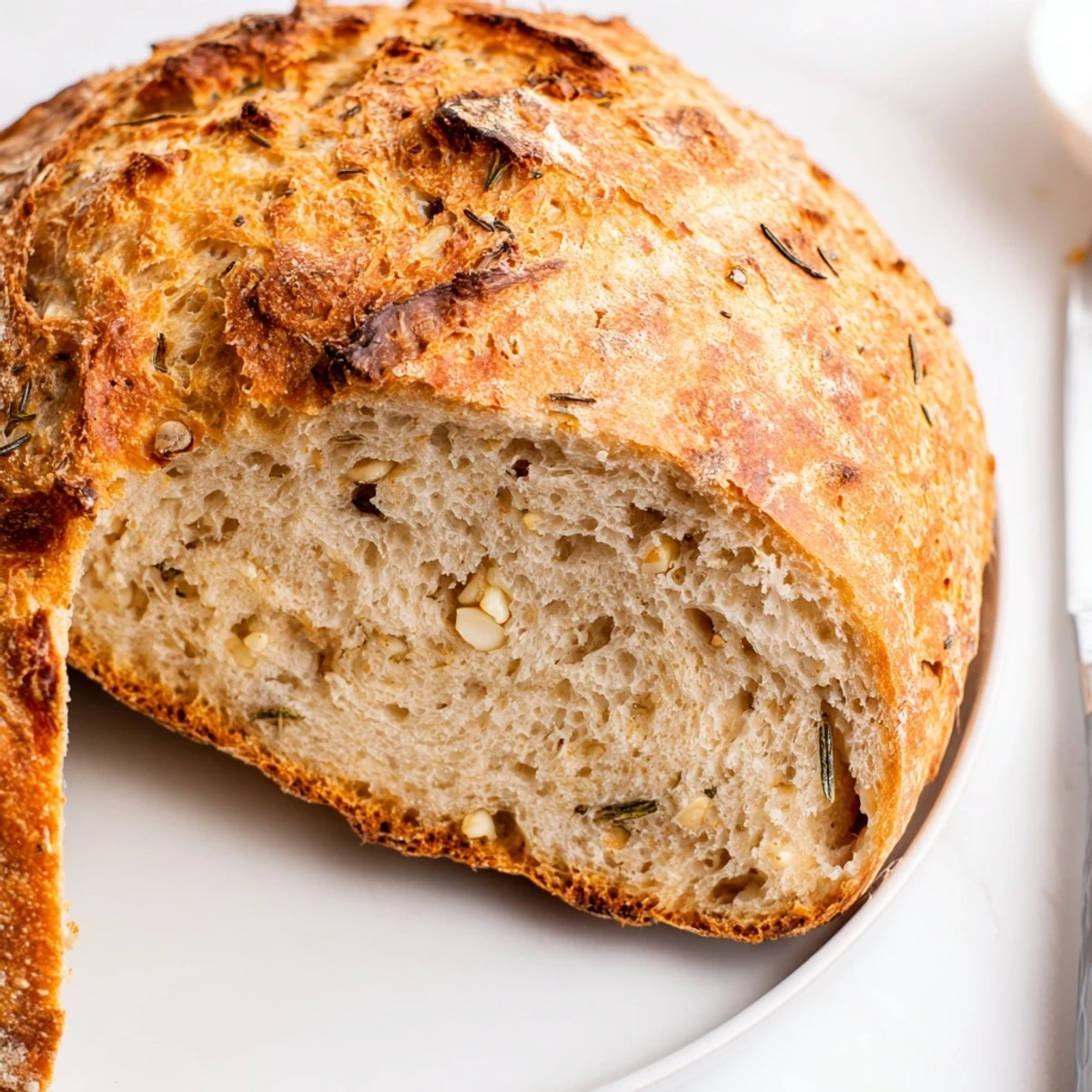
 Craft a stunning European-style loaf using simple ingredients and minimal effort. This no-knead method combines aromatic fresh garlic and fragrant rosemary into a dough that develops incredible flavor during an extended rise. Baking in a preheated Dutch oven creates professional bakery results with a deeply caramelized crust and tender crumb.
The process begins with mixing bread flour, sea salt, and yeast, then incorporating lukewarm water and olive oil. Fresh aromatics are folded throughout the dough before a 2-3 hour rise develops structure. After shaping, the loaf bakes covered for steam, then uncovered for that signature golden finish.
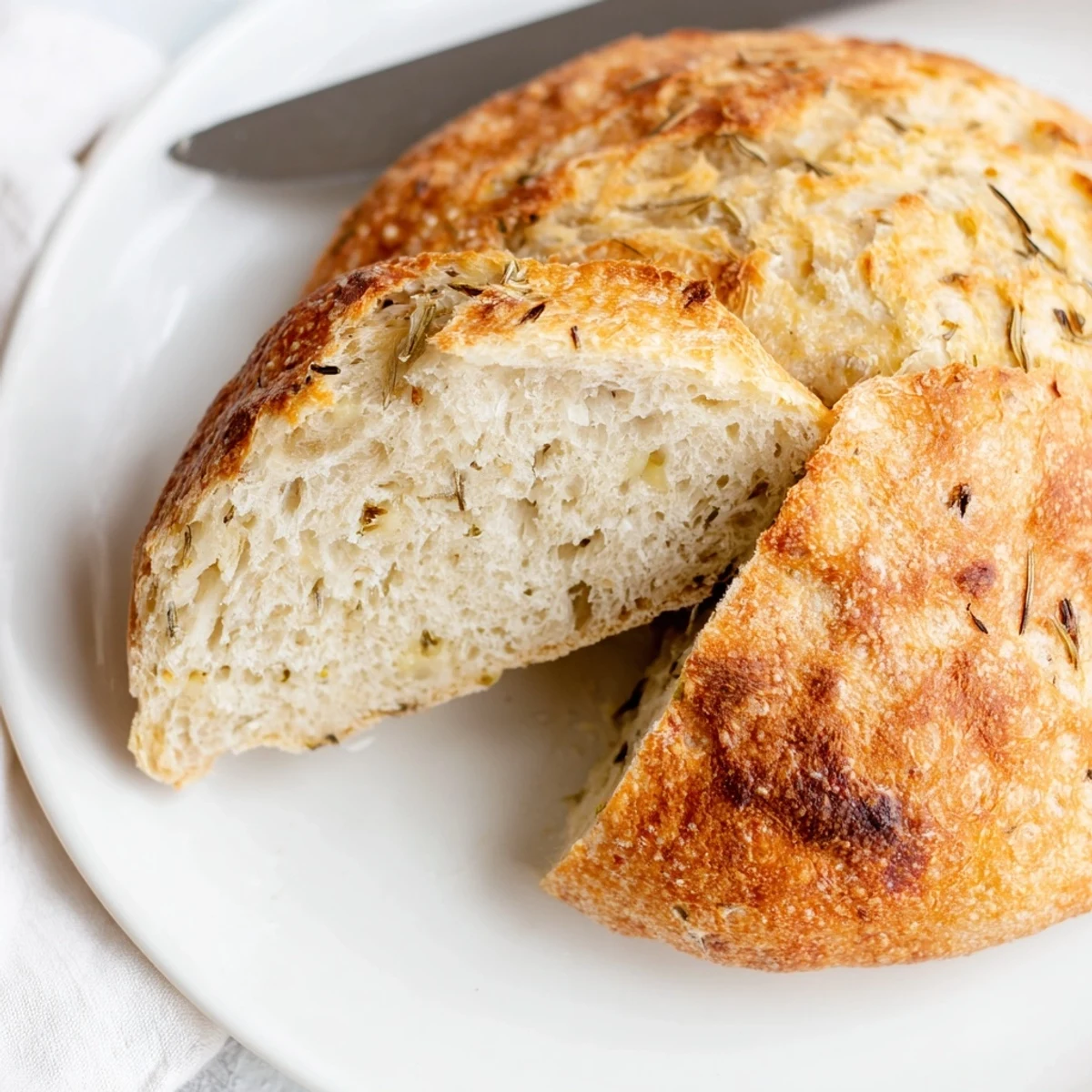
Slice into thick pieces to serve alongside soups, pasta, or enjoy simply with olive oil. The vegetarian loaf yields eight generous portions and tastes best fresh from the oven, though leftovers transform into exceptional toast the next day.
My tiny apartment smelled like an Italian restaurant that winter afternoon, the kind of scent that makes neighbors pause at your door. I had just discovered the magic of combining garlic and rosemary in bread dough, and honestly, I felt like I was getting away with something. The first time I pulled this loaf from the Dutch oven, the crust was so gloriously golden that I called my mother immediately to brag.
Last Christmas Eve, I made three loaves back to back because my family kept eating them before dinner even started. My brother stood by the cooling rack, picking off warm pieces and claiming he was just quality control. Now I double the recipe automatically when hes coming over.
Ingredients
- Bread flour: The higher protein content creates that beautiful structure and chewy texture we all love
- Fine sea salt: Coarser salt can leave salty pockets in your bread, so fine is best here
- Active dry yeast: A little goes a long way, thanks to the long fermentation time
- Lukewarm water: Think bathwater temperature, around 105°F, to wake up those yeast bubbles
- Olive oil: Adds richness and helps keep the crumb tender after baking
- Fresh garlic: Minced small so it distributes evenly throughout every bite
- Fresh rosemary: Woody herbs work beautifully with the heat of the Dutch oven
- Extra flour or cornmeal: Prevents sticking and adds a professional touch to the bottom crust
Instructions
- Combine the dry foundation:
- Whisk the flour, salt, and yeast in a large bowl until everything is evenly distributed
- Build the dough:
- Pour in the water and olive oil, stirring until a rough, shaggy mass forms
- Infuse with flavor:
- Fold in the garlic and rosemary, being gentle to avoid deflating those precious air pockets
- Let it work its magic:
- Cover the bowl and walk away for 2 to 3 hours until the dough has ballooned beautifully
- Shape with confidence:
- Turn the dough onto a floured surface and form it into a rough ball, tucking the edges underneath
- Prepare for the oven:
- Place the dough seam side down on parchment paper and let it rest for another 30 to 45 minutes
- Get the Dutch oven screaming hot:
- Preheat your oven to 450°F with the Dutch oven inside for at least 30 minutes
- Transfer with care:
- Lift the dough using the parchment paper and lower it carefully into the extremely hot Dutch oven
- Creating the steam bath:
- Cover with the lid and bake for 30 minutes, trapping steam for that incredible crust
- Reveal the glory:
- Remove the lid and bake for 12 to 15 more minutes until the crust is deep golden brown
- The hardest part:
- Let the bread cool on a rack for at least 20 minutes before slicing into it
 Pin It
 This bread has become my go to housewarming gift because nothing makes people feel welcome like the smell of fresh baking. I once brought a loaf to a potluck, and it was gone before anyone touched the main dishes.
The Secret To Perfect Shaping
I spent years overworking my dough until a baker friend showed me the gentle fold and tuck method. Use floured hands and treat the dough like something fragile. The less you mess with it, the better the final texture will be.
Mastering The Dutch Oven
That heavy pot creates a mini steam chamber that mimics professional bread ovens. The trapped steam keeps the crust soft initially, allowing the bread to expand fully before hardening into that irresistible crunch.
Flavor Variations To Try
Once you master the base recipe, the possibilities become endless. This dough is forgiving and welcomes creativity with open arms.
- Kalamata olives add a briny punch that pairs beautifully with rosemary
- Sun dried tomatoes bring sweetness and chew to every bite
- Caramelized onions turn this into the ultimate comfort bread
 Pin It
 There is something profoundly satisfying about pulling a steaming loaf from your own oven. This bread turns an ordinary Tuesday dinner into something worth remembering.
Recipe Questions & Answers
- → What makes Dutch oven bread different from regular oven baking?
-
The Dutch oven creates a steam-filled environment that mimics professional deck ovens. This trapped moisture allows the bread to expand fully before the crust sets, resulting in a beautiful rise and chewy interior. The heavy cast iron conducts heat evenly, producing that signature deep golden crust.
- → Can I use dried rosemary instead of fresh?
-
Fresh rosemary provides superior flavor and aroma, but dried rosemary works in a pinch. Use one-third the amount called for since dried herbs are more concentrated. Rehydrate the dried herbs in warm water for 10 minutes before adding to the dough for better distribution.
- → Why does the dough need to rise for so long?
-
The extended fermentation allows yeast to slowly break down starches and develop complex flavors. This slow rise also creates a more open crumb structure and improves digestibility. The long resting period means less kneading is required—gentle shaping preserves the gas bubbles created during rising.
- → How do I know when the bread is fully baked?
-
Look for a deep golden-brown crust that sounds hollow when tapped on the bottom. An instant thermometer inserted into the center should read between 190-200°F. The crust should be firm and crackle slightly as it cools, indicating proper caramelization.
- → Can I add other ingredients like olives or cheese?
-
Absolutely. Kalamata olives, sun-dried tomatoes, or roasted garlic complement the base flavors beautifully. For cheese additions, cubes of aged cheddar or Parmesan work well. Fold these additions in during step 3, being careful not to deflate the dough.
- → What if I don't have a Dutch oven?
-
A heavy cast iron pot with a tight-fitting lid works equally well. Alternatively, bake on a preheated baking stone and create steam by placing a metal pan with ice cubes on the oven floor below. The results will be slightly different but still delicious.