
 Pin It
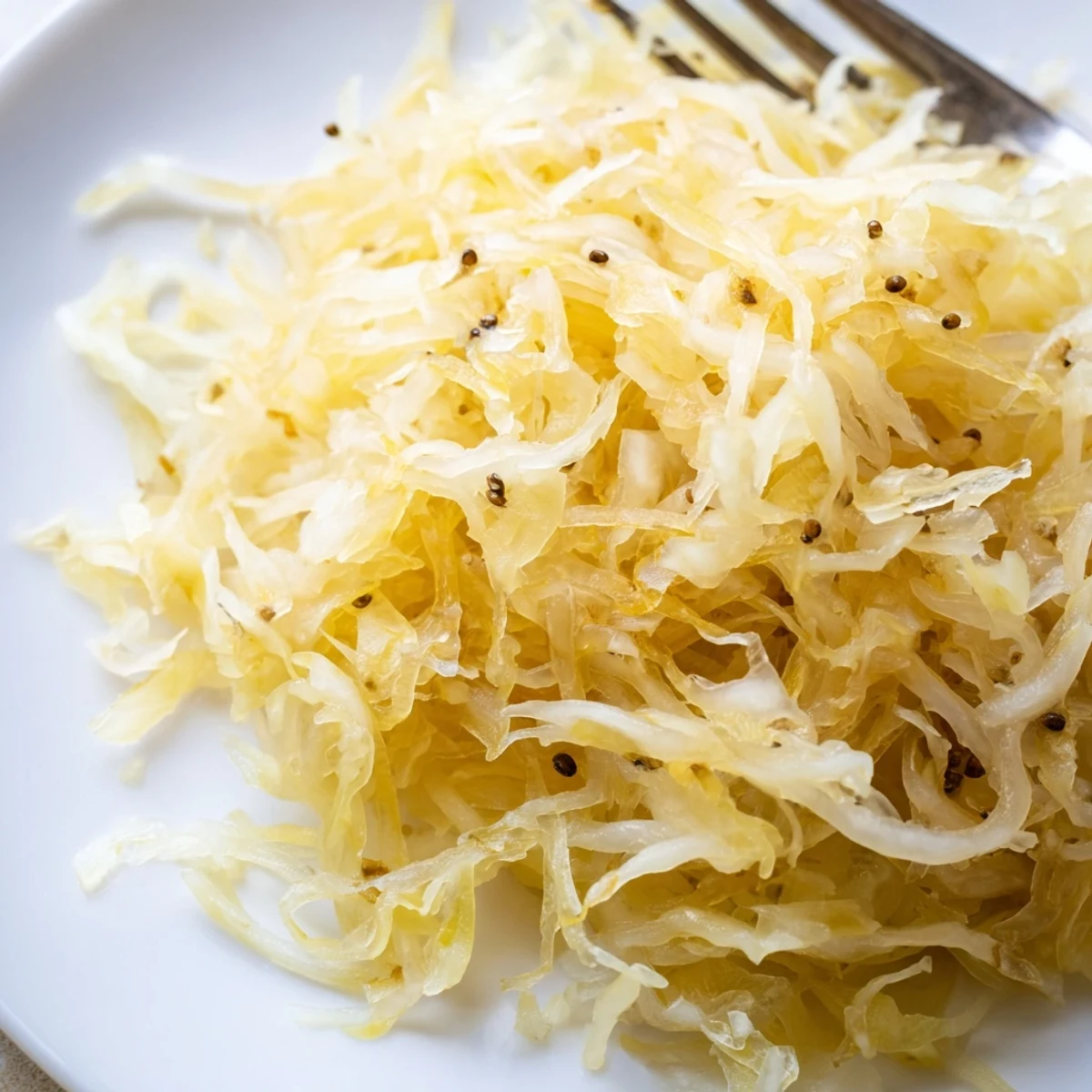
 Create your own authentic German sauerkraut with just cabbage and salt through traditional fermentation. This time-honored method transforms humble ingredients into a tangy, probiotic-rich condiment that develops complex flavors over 7–21 days. The process is straightforward: thinly slice cabbage, massage with salt until natural juices release, then pack tightly and let beneficial bacteria work their magic.
Perfect alongside bratwurst, pork chops, or roasted potatoes, homemade sauerkraut offers superior crunch and flavor compared to store-bought versions. Adjust fermentation time to achieve your preferred level of tanginess, and experiment with optional additions like caraway seeds, juniper berries, or grated apple for unique variations.
The smell hit me before I even opened the jar, sharp and electric, like something alive was waiting inside. My first batch of sauerkraut sat on a shelf in my apartment kitchen for ten days, and every time I walked past it I pressed my ear close to listen to the faint bubbles working underneath the cloth cover. It felt less like cooking and more like coaxing something into existence with nothing but cabbage, salt, and patience. That crock changed how I think about food.
I brought a jar to a barbecue last summer and watched skeptical friends pile it onto their bratwurst, then go back for seconds with embarrassing enthusiasm. My neighbor Gerda, who grew up near Stuttgart, tasted it and gave me a single approving nod, which I consider the highest culinary compliment I have ever received.
Ingredients
- 2 kg white cabbage: Choose firm, heavy heads with tightly packed leaves because fresher cabbage releases more liquid during massaging.
- 30 g fine sea salt: The salt draws out moisture and creates the brine that protects the cabbage while friendly bacteria do their work, so measure carefully and never use iodized salt.
- 1 tablespoon caraway seeds (optional): These add a warm, earthy note that rounds out the sharp acidity beautifully and are a traditional German addition.
- 1 grated carrot or thinly sliced apple (optional): A handful of either brings subtle sweetness that balances the tang and makes the flavor more complex.
Instructions
- Prep the cabbage:
- Strip away any wilted or damaged outer leaves and save one good leaf for later. Cut the head into quarters, carve out the tough core, and slice the quarters into ribbons as thin and consistent as your patience allows.
- Salt and massage:
- Drop the shredded cabbage into a large bowl, sprinkle the salt over it evenly, and begin working it with your hands. Squeeze, press, and knead for five to ten minutes until the cabbage softens and a pool of liquid collects at the bottom of the bowl.
- Add your extras:
- If you are using caraway seeds, carrot, or apple, fold them in now and distribute them evenly throughout the softened cabbage mixture.
- Pack the vessel:
- Transfer everything including every drop of liquid into a sterilized crock or large glass jar. Press down hard with your fists so the cabbage compacts and the brine rises above it, then lay that reserved whole cabbage leaf on top as a protective layer.
- Weigh it down:
- Place a fermentation weight or a clean small jar filled with water on top to keep everything submerged, because any cabbage exposed to air risks mold rather than magic.
- Cover and wait:
- Drape a cloth over the top or attach a fermentation lid that lets gases escape while keeping bugs and dust out. Move the jar to a cool, dark corner of your kitchen away from direct sunlight.
- Ferment to taste:
- Let it sit at room temperature between eighteen and twenty two degrees for seven to twenty one days. Start tasting after a week, and when the tang hits exactly the note you want, move it to the fridge to slow fermentation to a crawl.
 Pin It
 There is something deeply satisfying about opening a jar of sauerkraut you made yourself and realizing that time and microscopic organisms did all the real work while you slept.
Serving Suggestions
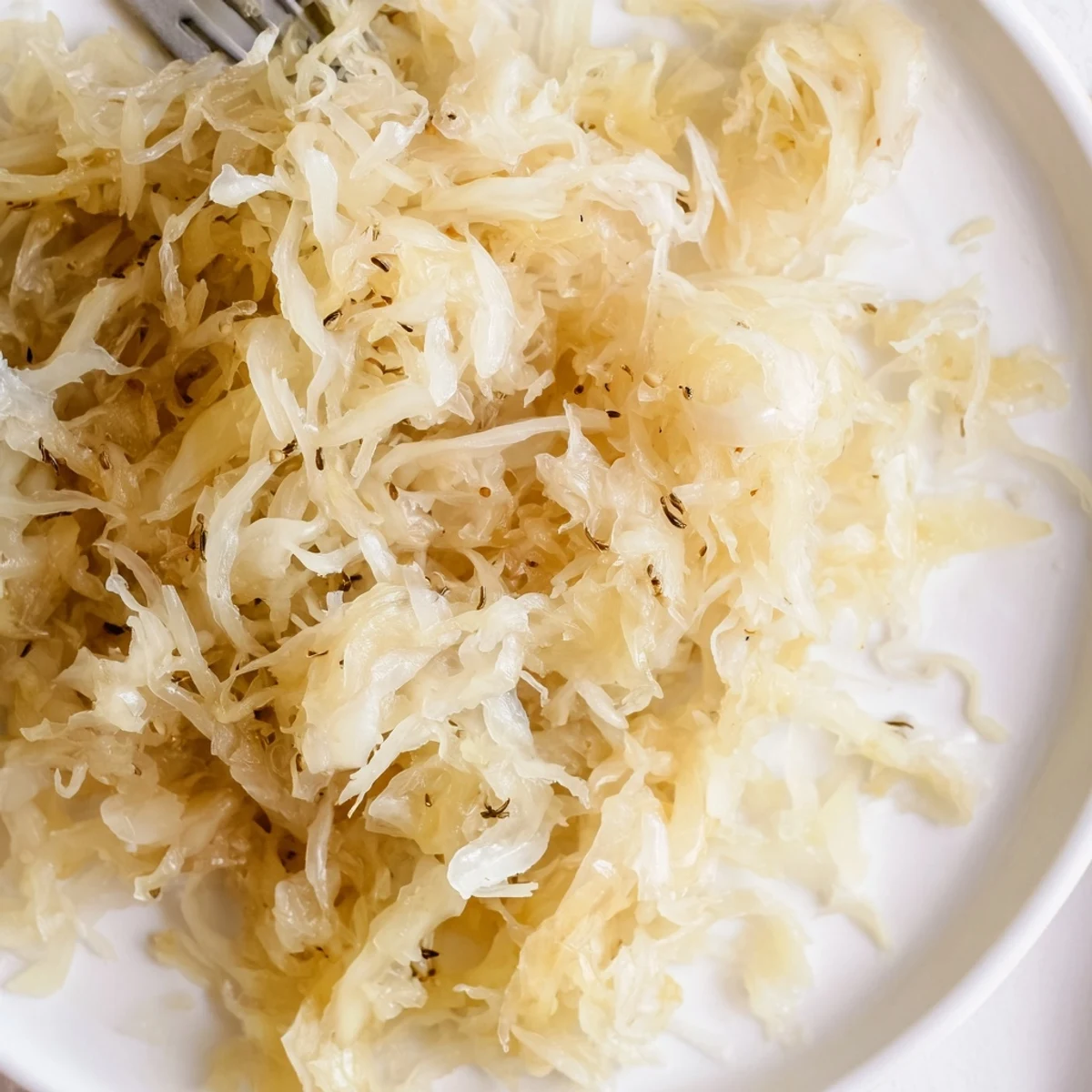
Pile it next to roasted sausages and buttery potatoes for a meal that feels like a German tavern appeared in your dining room. It also works tucked into a sandwich with thick slices of ham and sharp mustard, or simply eaten straight from the jar with a fork when nobody is watching.
Troubleshooting Common Issues
Brown or pink patches that smell unpleasant mean something went wrong and that batch should be discarded. A funky, sour smell is completely normal and exactly what you want, so trust your nose and remember that fermentation has been practiced for thousands of years without modern safety gadgets.
Storing and Aging Your Kraut
Once refrigerated, homemade sauerkraut keeps well for several months and the flavor continues to develop slowly and deepen over time. I have eaten batches that were six months old and found them even more complex and mellow than when they were fresh from the counter.
- Always use a clean fork each time you scoop some out to avoid introducing new bacteria into the jar.
- If the brine level drops over time, you can top it up with a light salt water solution made from one teaspoon of salt per cup of water.
- Label your jar with the date you started fermentation so you can track how flavors change week by week.
 Pin It
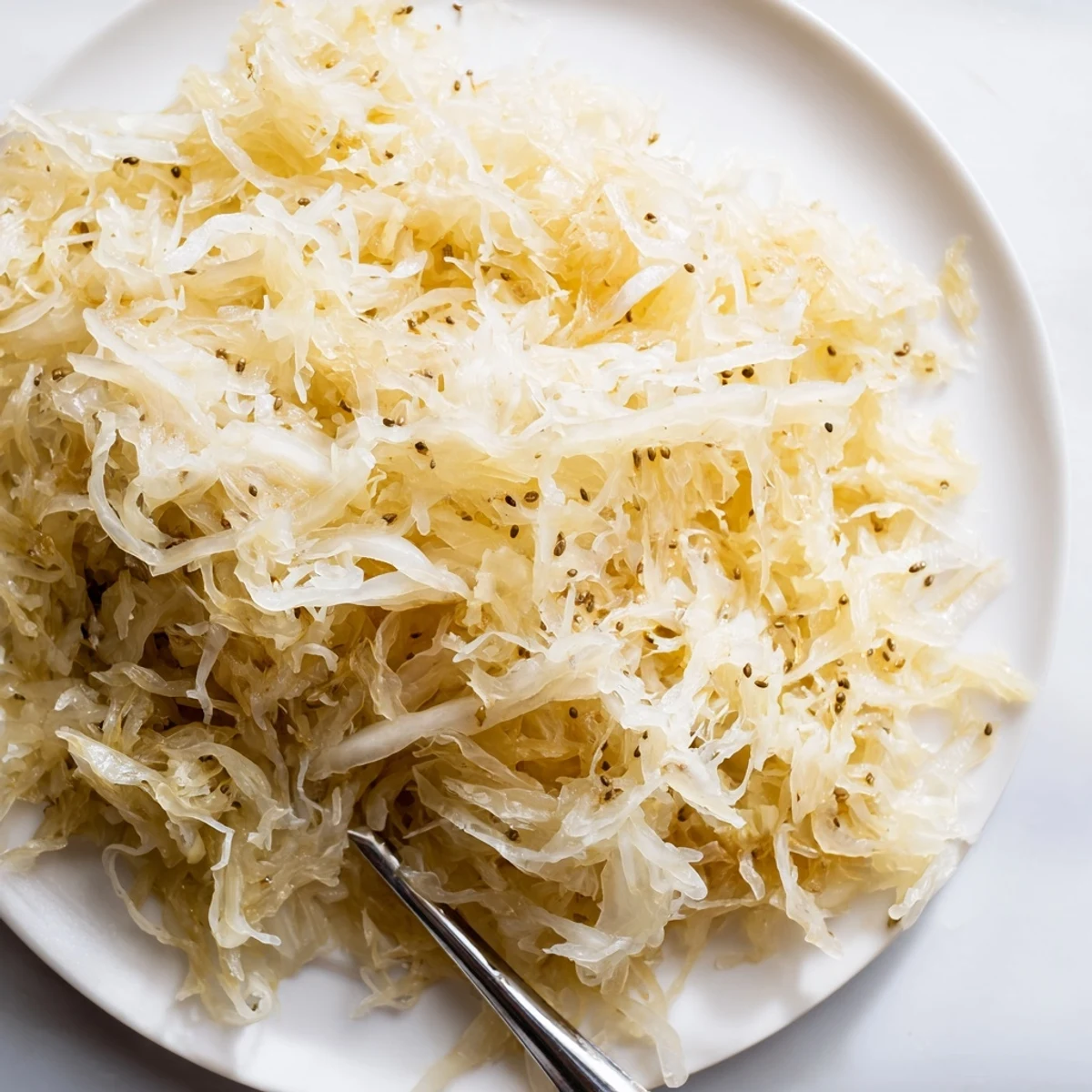
 Every jar of sauerkraut is a small act of trust in the invisible world working on your behalf. Give it time, keep it submerged, and it will reward you generously.
Recipe Questions & Answers
- → How do I know when my sauerkraut is ready to eat?
-
Begin tasting your sauerkraut after 7 days of fermentation. When it reaches your desired level of tanginess and the cabbage has softened slightly while maintaining crunch, transfer it to the refrigerator. The flavor will continue to develop slowly in cold storage.
- → What's the purpose of massaging the cabbage with salt?
-
Massaging breaks down the cabbage's cell structure, releasing natural juices that create the brine necessary for fermentation. This liquid environment allows beneficial lactic acid bacteria to thrive while protecting the cabbage from harmful microorganisms.
- → Can I use different types of salt?
-
Fine sea salt or kosher salt works best for fermentation. Avoid iodized table salt, which may inhibit bacterial growth, and stay away from coarse salts that won't dissolve evenly in the cabbage's natural juices.
- → Why must the cabbage stay submerged during fermentation?
-
Keeping cabbage beneath the brine prevents exposure to oxygen, which encourages mold growth. A fermentation weight or weighted jar ensures the vegetables remain safely anaerobic, allowing proper fermentation by beneficial bacteria.
- → How should I store finished sauerkraut?
-
Once fermented to your taste, transfer sauerkraut to the refrigerator where it will keep for several months. Always use clean utensils to remove portions, and ensure remaining contents stay submerged in their juices.
- → What if I see mold on top?
-
White kahm yeast on the surface is harmless and can be skimmed off. However, fuzzy or colorful mold indicates contamination—discard the entire batch and sanitize your equipment thoroughly before trying again with fresh ingredients.