
 Pin It
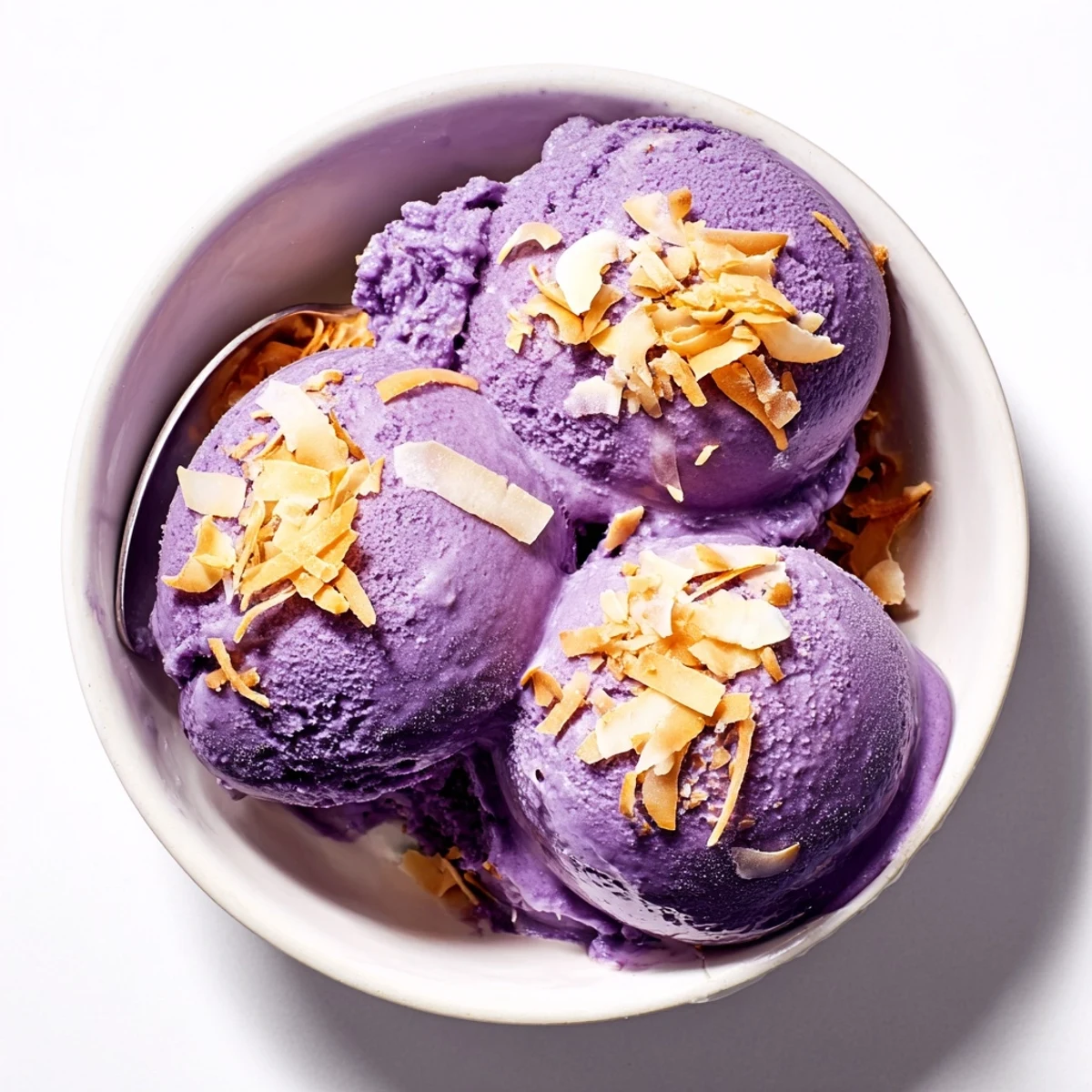
 This beloved Filipino treat features ube, a purple yam prized for its stunning violet hue and distinct vanilla-like flavor with subtle nutty notes. The preparation combines ube halaya (purple yam jam) with a luscious blend of heavy cream, whole milk, and sweetened condensed milk, creating an incredibly smooth texture without requiring an ice cream maker. The vibrant purple color is naturally derived from the yam itself, enhanced by ube extract for deeper intensity.
Perfect for warm weather gatherings or as an elegant finish to any meal, this frozen delight offers a unique culinary experience that introduces the exotic flavors of Filipino cuisine to your dessert repertoire.
The first time I saw ube ice cream, I thought someone had dyed vanilla by mistake. That shock of vibrant purple sitting in a styrofoam cup at a Filipino bakery in Queens stopped me mid-step. One taste and I understood the obsession, earthy and sweet in a way that felt completely new to my palate.
Last summer, I made this for a dinner party where half the guests had never heard of purple yam. Watching their faces as I scooped that impossibly bright ice cream into bowls was worth every minute of whisking. Someone actually asked if it was natural, until I explained how ube has been a Filipino staple for generations.
Ingredients
- 1 cup ube halaya: This purple yam jam is the heart of the recipe, providing both that stunning color and an earthy sweetness you cant fake with extract alone.
- 1 tablespoon ube extract: A little boost to intensify both the purple hue and that distinct floral vanilla flavor.
- 2 cups heavy cream, cold: The foundation of your ice cream base, whipped to create that lush, creamy texture without any churning.
- 1 cup whole milk, cold: Lightens the mixture just enough so the final product isnt overwhelmingly heavy.
- 1 cup sweetened condensed milk: Your sweetener and stabilizer in one, keeping the ice cream smooth and preventing ice crystals from forming.
- 1/4 teaspoon kosher salt: Just enough to make all those sweet flavors pop and taste more like themselves.
- 1 teaspoon vanilla extract: Rounds out the ubes floral notes with something warm and familiar.
Instructions
- Blend your ube base:
- In a blender or large mixing bowl, combine the ube halaya, ube extract, sweetened condensed milk, whole milk, salt, and vanilla extract. Blend or whisk until completely smooth, making sure no lumps of halaya remain.
- Whip the cream:
- In a separate chilled bowl, whip the heavy cream until stiff peaks form. The mixture should hold its shape when you lift the beaters.
- Fold everything together:
- Gently fold the ube mixture into the whipped cream using a spatula, being careful not to deflate the cream. Mix until just combined and the color is uniform throughout.
- Freeze until firm:
- Pour the mixture into a loaf pan or freezer-safe container and smooth the top with a spatula. Cover tightly and freeze for at least 6 to 8 hours.
- Serve at the right temperature:
- Let the ice cream sit at room temperature for about 5 minutes before scooping, which makes it easier to serve and improves the texture.
 Pin It
 My sister texted me at midnight after trying this for the first time, demanding to know when I was making another batch. Theres something about this particular shade of purple that feels almost magical, like dessert from a storybook instead of a kitchen.
Making It Your Own
Ive found that adding more ube extract deepens both the color and flavor, though you want to taste as you go since the intensity varies by brand. Some people prefer a lighter purple ice cream while others want it almost shockingly bright.
Texture Secrets
The condensed milk is doing double duty here as sweetener and stabilizer, which is why you dont need an ice cream maker or any complicated churning process. Just make sure your freezer is cold enough and give it the full freezing time.
Serving Ideas
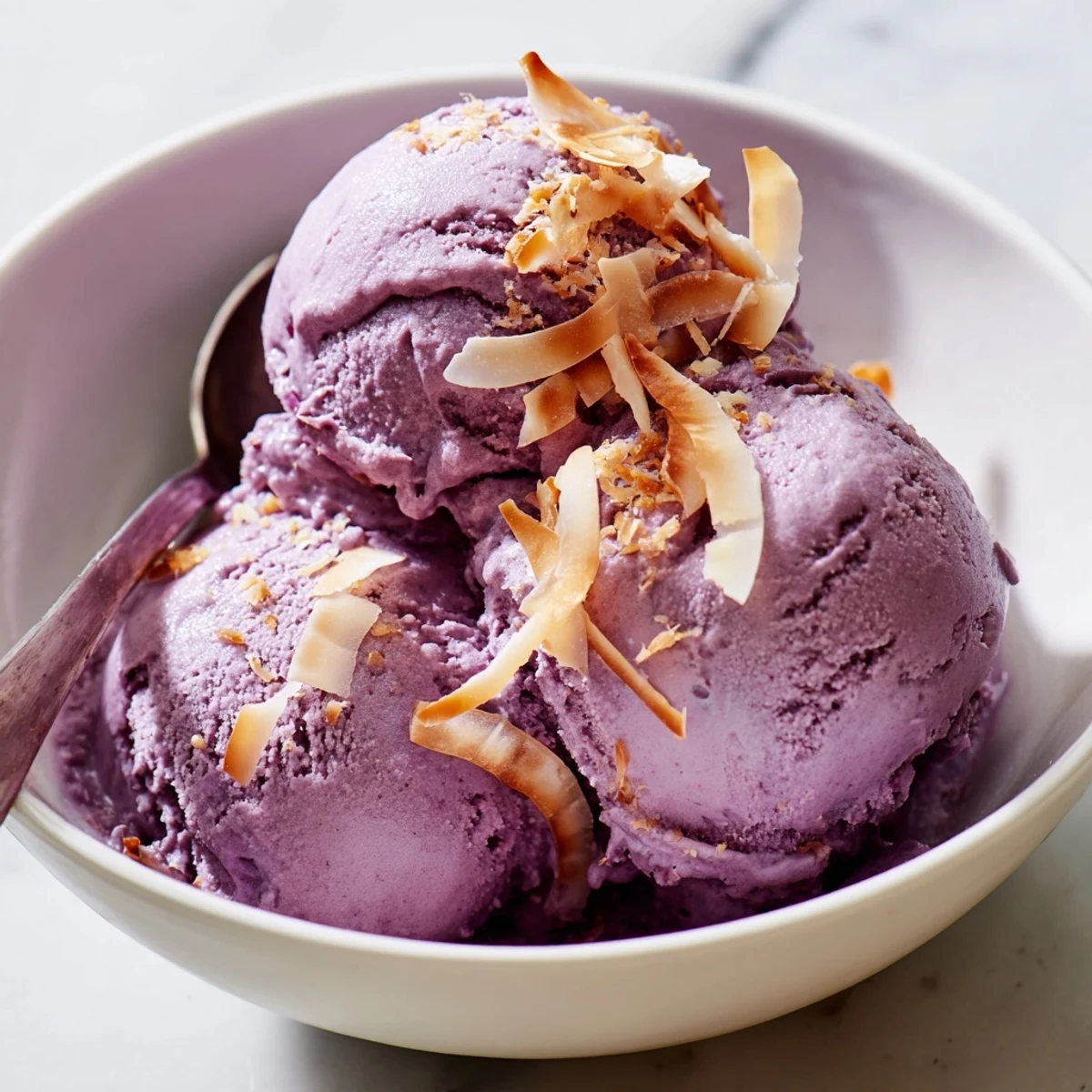
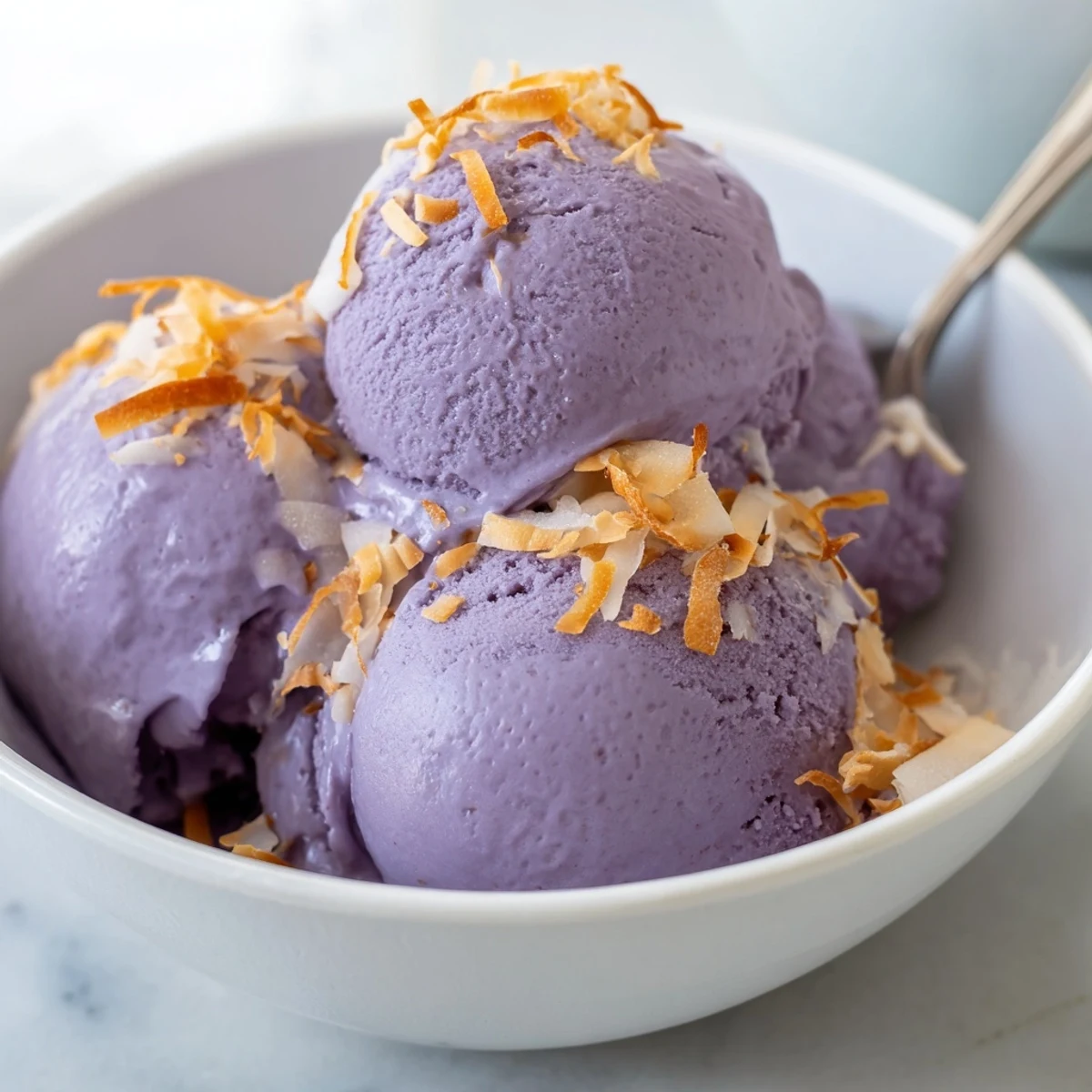
Toast some coconut flakes until golden and sprinkle them on top for crunch. Macapuno, those sweetened coconut strings you find in Filipino markets, takes this completely over the top. A swirl of extra ube halaya on the side never hurt anyone either.
- Waffle cones create the perfect contrast to the creamy texture
- A drizzle of condensed milk over the top feels indulgent and pretty
- Keep your serving scoop in warm water for picture perfect rounds
 Pin It
 Something about pulling that container of vivid purple ice cream out of the freezer feels like having a secret weapon in your kitchen. Every scoop is a little celebration of color and flavor.
Recipe Questions & Answers
- → What does ube taste like?
-
Ube has a subtly sweet, earthy flavor often compared to vanilla with hints of pistachio or coconut. Its taste is milder than typical sweet potatoes, making it perfect for desserts where it absorbs other flavors beautifully while maintaining its unique character.
- → Can I make this without an ice cream maker?
-
Absolutely. This no-churn method uses whipped heavy cream folded into the ube mixture, creating tiny air pockets that result in a creamy texture without needing any special equipment. Simply freeze for 6-8 hours and enjoy.
- → Where can I find ube halaya and ube extract?
-
Asian markets, Filipino grocery stores, and well-stocked international aisles typically carry both ingredients. Online retailers also offer ube halaya and extract. If unavailable, you can make ube halaya by boiling and mashing purple yam with condensed milk.
- → How long does homemade ube ice cream keep?
-
Properly stored in an airtight container, this dessert maintains optimal quality for up to 2 weeks. For best texture and flavor, consume within the first week. Ice crystals may form after longer storage but can be minimized by pressing plastic wrap directly onto the surface.
- → What toppings work well with ube ice cream?
-
Traditional Filipino garnishes include toasted coconut flakes, macapuno (sweetened coconut strings), or additional dollops of ube halaya. For a contemporary twist, try crushed graham crackers, chopped nuts, or a drizzle of condensed milk. Fresh berries also complement the purple hue beautifully.
- → Is ube the same as taro?
-
No, while both are root vegetables with purple varieties, ube and taro are distinct. Ube is a purple yam (Dioscorea alata) with sweeter flavor and vibrant lavender color, while taro (Colocasia esculenta) has a milder, nutty taste and speckled purple appearance. They cannot be substituted interchangeably.