
 Pin It
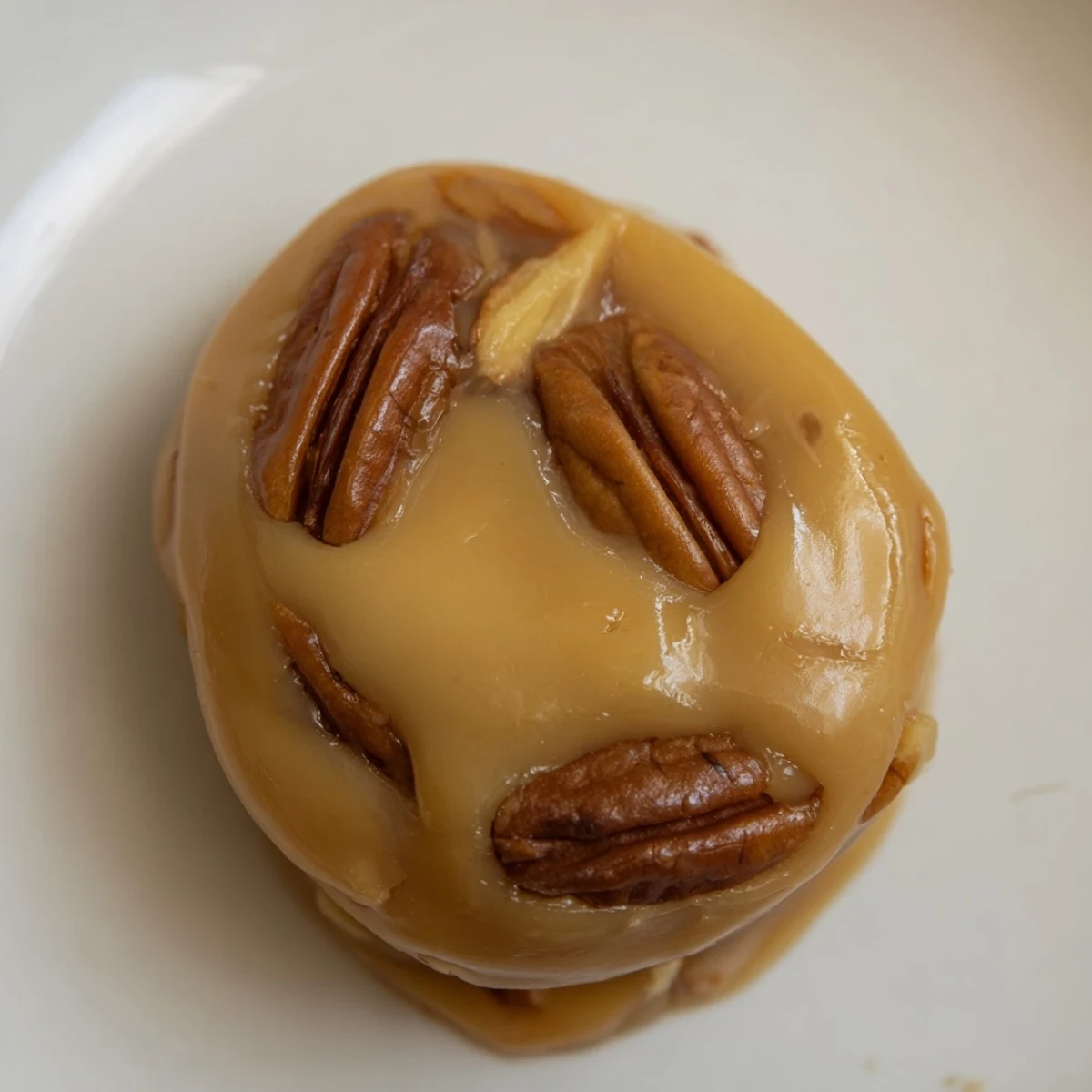
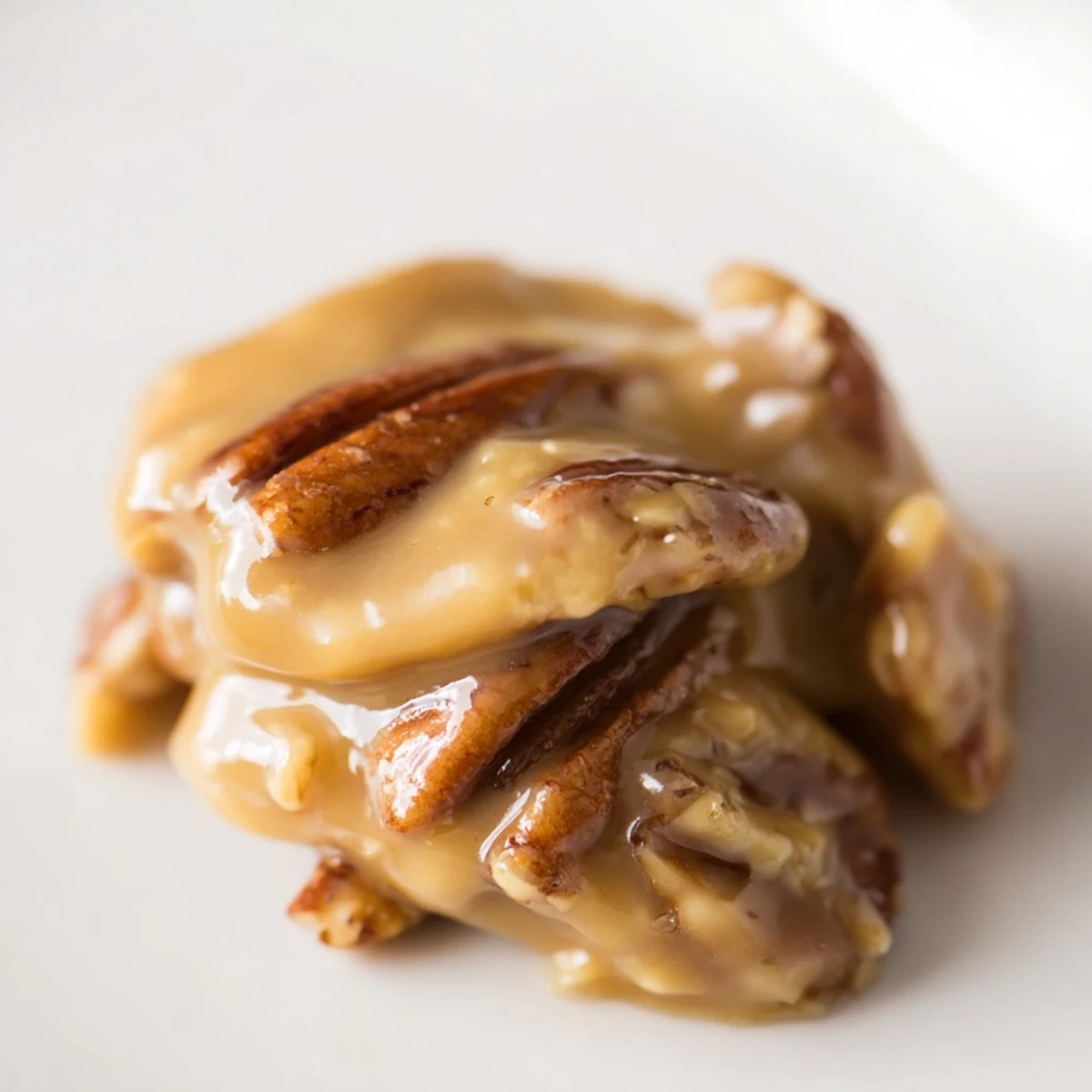
 Mardi Gras pecan pralines are a timeless Southern confection featuring caramelized sugar, heavy cream, butter, and toasted pecans. The mixture is cooked to soft ball stage (238°F), then beaten until creamy before being portioned onto parchment paper to cool and set.
This straightforward technique yields 24 delicious pralines in just 30 minutes of total time. The result is an elegant, melt-in-your-mouth candy that captures the essence of New Orleans traditions.
There is a specific kind of chaos that takes over the kitchen when sugar reaches the soft-ball stage, demanding absolute attention and speed. I recall watching my grandmother move with a practiced calm that I initially mistook for slowness until I tried making pralines myself. The air would fill with the scent of toasted pecans and caramel, a scent so thick it felt like a warm blanket. It is a dance of temperature and timing that turns simple ingredients into something magical.
I once made a giant batch for a Mardi Gras party, completely underestimating how fast they set up in the cool winter air. We ended up eating half of them straight from the pot with spoons because they hardened too fast to scoop onto the tray. Everyone declared those messy scoops the best dessert they had ever tasted. It taught me that sometimes perfection is less important than just getting the flavor right.
Ingredients
- Granulated Sugar: This provides the structure and the sweet base that crystallizes into the classic praline texture.
- Light Brown Sugar: Packed with molasses, this adds moisture and that deep, caramel-like flavor.
- Heavy Cream: Using full-fat cream ensures the final result is rich and melts in your mouth.
- Unsalted Butter: High-quality butter cuts through the sweetness and adds a velvety smoothness.
- Pure Vanilla Extract: A splash of vanilla elevates the sugar and nuts to a sophisticated level.
- Salt: Just a pinch is crucial to balance the intense sweetness of the sugars.
- Pecan Halves: Fresh nuts are essential here, as they provide the necessary crunch and buttery flavor profile.
Instructions
- Prep Your Station:
- Line two large baking sheets with parchment paper or silicone mats before you start cooking.
- Combine and Heat:
- In a heavy-bottomed saucepan over medium heat, mix the sugars, cream, and butter until the butter melts and the mixture boils.
- Watch the Temp:
- Attach a candy thermometer and cook until the mixture hits 238°F, or the soft-ball stage.
- Flavor the Mix:
- Remove from heat immediately, then stir in the vanilla, salt, and pecan halves.
- Beat the Candy:
- Stir vigorously with a wooden spoon for 2 to 3 minutes until the mixture thickens and looks creamy.
- Scoop Quickly:
- Drop heaping tablespoons onto the prepared sheets, working fast before the candy sets.
- Let Them Set:
- Allow the pralines to cool completely at room temperature for about 30 minutes.
- Store Properly:
- Keep them in an airtight container at room temperature for up to a week.
 Pin It
 Sharing these with neighbors has become a holiday tradition that we all look forward to. Seeing the surprise on their faces when they bite into the sweet, nutty goodness is the best reward.
Getting the Texture Right
The glossy finish comes down entirely to how long you beat the mixture after removing it from the heat. You want to whisk it until it loses that high shine but is still loose enough to pour easily.
The Importance of Temperature
A reliable candy thermometer is your absolute best friend in this recipe. Even a few degrees off can mean the difference between a chewy caramel and a grainy, dry mess.
Serving Ideas
These are wonderful alongside a cup of strong black coffee or added to a rustic dessert board.
- Wrap individual pralines in colorful cellophane for easy gifting.
- Crush leftovers over vanilla ice cream for a crunchy topping.
- Store them with a slice of bread to keep them soft longer.
 Pin It
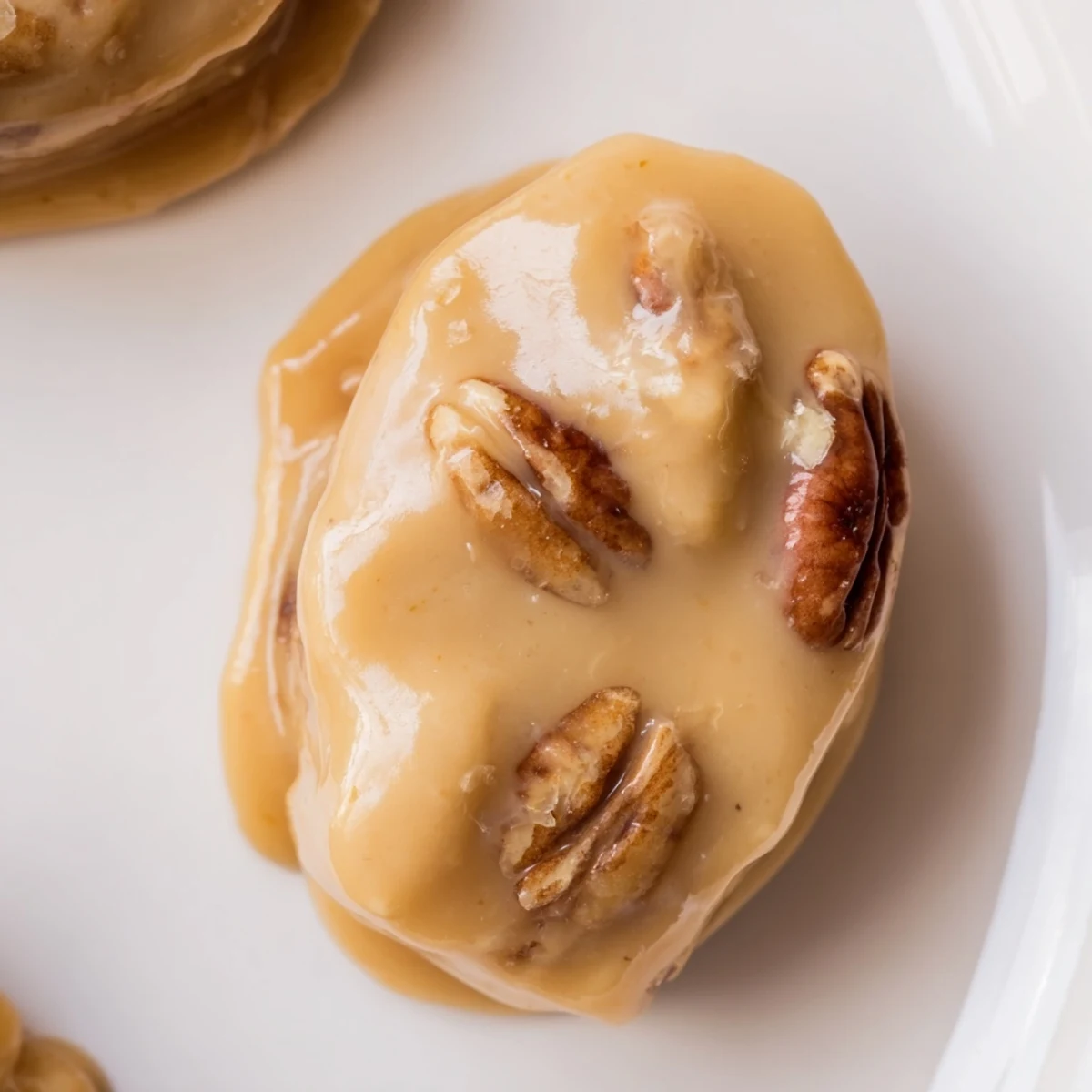
 Enjoy every sweet bite of this Southern classic. Sharing them is really what makes them special.
Recipe Questions & Answers
- → What is the soft ball stage and why is it important?
-
The soft ball stage occurs at 238°F and is crucial for pralines because it creates the perfect texture. At this temperature, the sugar syrup forms a soft, pliable ball when cooled, ensuring your pralines remain creamy rather than becoming hard or grainy.
- → Can I use salted butter instead of unsalted?
-
While you can substitute salted butter, unsalted butter gives you better control over the salt content. If using salted butter, reduce or omit the added salt to prevent the pralines from becoming overly salty.
- → Why should I toast the pecans beforehand?
-
Toasting pecans in a dry skillet for about 5 minutes enhances their natural oils and deepens their flavor. This optional step adds a richer, more complex nutty taste to your finished pralines.
- → What should I do if the mixture hardens before I finish portioning?
-
Return the pan to low heat for a minute or two to soften the mixture again. Be careful not to overheat it, as this can affect the texture. Work quickly once it's pourable.
- → How long do homemade pralines stay fresh?
-
Store finished pralines in an airtight container at room temperature for up to one week. For longer storage, refrigerate them for up to two weeks or freeze for several months. Individual wrapping prevents them from sticking together.