 Pin It
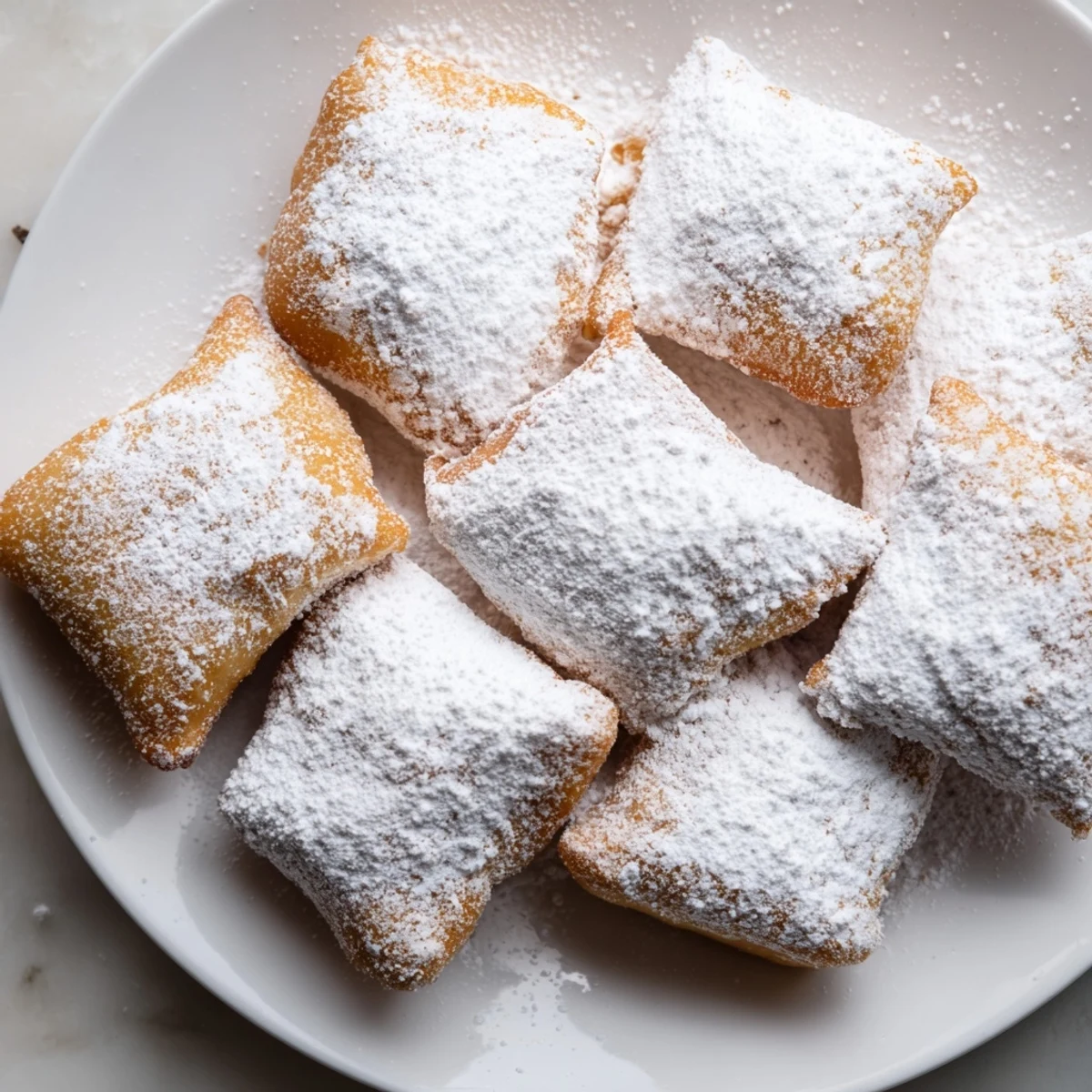
 Experience the light, airy texture of New Orleans-style beignets, made from a soft dough that rises before being deep-fried to a golden brown. These fluffy squares are seasoned lightly and finished with a dusting of powdered sugar for a perfect balance of sweetness. Ideal for festive occasions like Mardi Gras or any time you desire a delicate, sweet pastry. The process includes preparing a yeast-based dough, allowing it to rise, shaping, frying, and topping for a signature pillowy bite.
The morning air in our tiny apartment always smelled like dreams when beignet dough was rising. I'd wake up to that unmistakable yeasty promise before my eyes even opened, knowing my roommate had already started the batch that would coat every surface in fine white dust. We'd spend hours frying them in batches, dancing around each other in our cramped kitchen, trading paper towels for cooling racks and sneaking the warmest ones straight from the oil. Those snowy mornings became our weekend religion long before we ever set foot in New Orleans.
Last Fat Tuesday, my kitchen became a makeshift beignet stand for friends who'd never experienced the real deal. I made triple the recipe, setting up a powdered sugar station that looked like a crime scene by midnight. Watching everyone's faces light up with that first bite—eyes widening behind sugar-dusted eyelashes—reminded me why some traditions are worth carrying forward, even a thousand miles from Bourbon Street.
Ingredients
- All-purpose flour: The backbone of structure that creates those irresistible puffy pockets inside each beignet
- Active dry yeast: This little miracle worker needs warm water and a touch of sugar to wake up and start the magic
- Whole milk: Room temperature milk blends beautifully into the dough, adding richness without weighing it down
- Unsalted butter: Melted butter weaves through the dough, creating tender crumb and that golden fried exterior
- Powdered sugar: The final flourish that makes eating beignets a beautifully messy, unforgettable experience
Instructions
- Wake up the yeast:
- Dissolve the yeast with one teaspoon sugar in warm water, watching it bubble to life over five minutes
- Bring everything together:
- Whisk your milk, eggs, melted butter, and vanilla, then pour both liquid mixtures into the flour mixture
- Knead until smooth:
- Work that sticky dough on a floured surface for 5 to 7 minutes until it transforms into something elastic and willing
- Let it rise:
- Tuck the dough into a greased bowl, cover it up, and leave it alone until it doubles in size
- Shape your squares:
- Roll the dough out to quarter-inch thickness and cut it into two-inch squares with confidence
- Fry to golden perfection:
- Cook the beignets in 350°F oil for about two minutes per side until they puff up beautifully
- Dust generously:
- Shower those warm beauties with powdered sugar the moment they leave the oil
 Pin It
 My mom still talks about the beignet disaster of 2018 when I tried cutting corners with quick-rise yeast and ended up with hockey pucks. We ate them anyway, standing around the kitchen island in our pajamas, laughing through the disappointment and plotting my redemption. The next weekend I made it right, and that first perfect batch disappeared faster than I could fry them.
The Art of the Fry
Frying beignets is equal parts science and intuition. I've learned that maintaining steady oil temperature matters more than any other factor. An instant-read thermometer clipped to the side of your pot becomes your best friend, keeping you honest about heat fluctuations. The beignets will tell you when the oil is perfect—they'll puff up dramatically and float to the surface like golden clouds.
Dusting Like a Pro
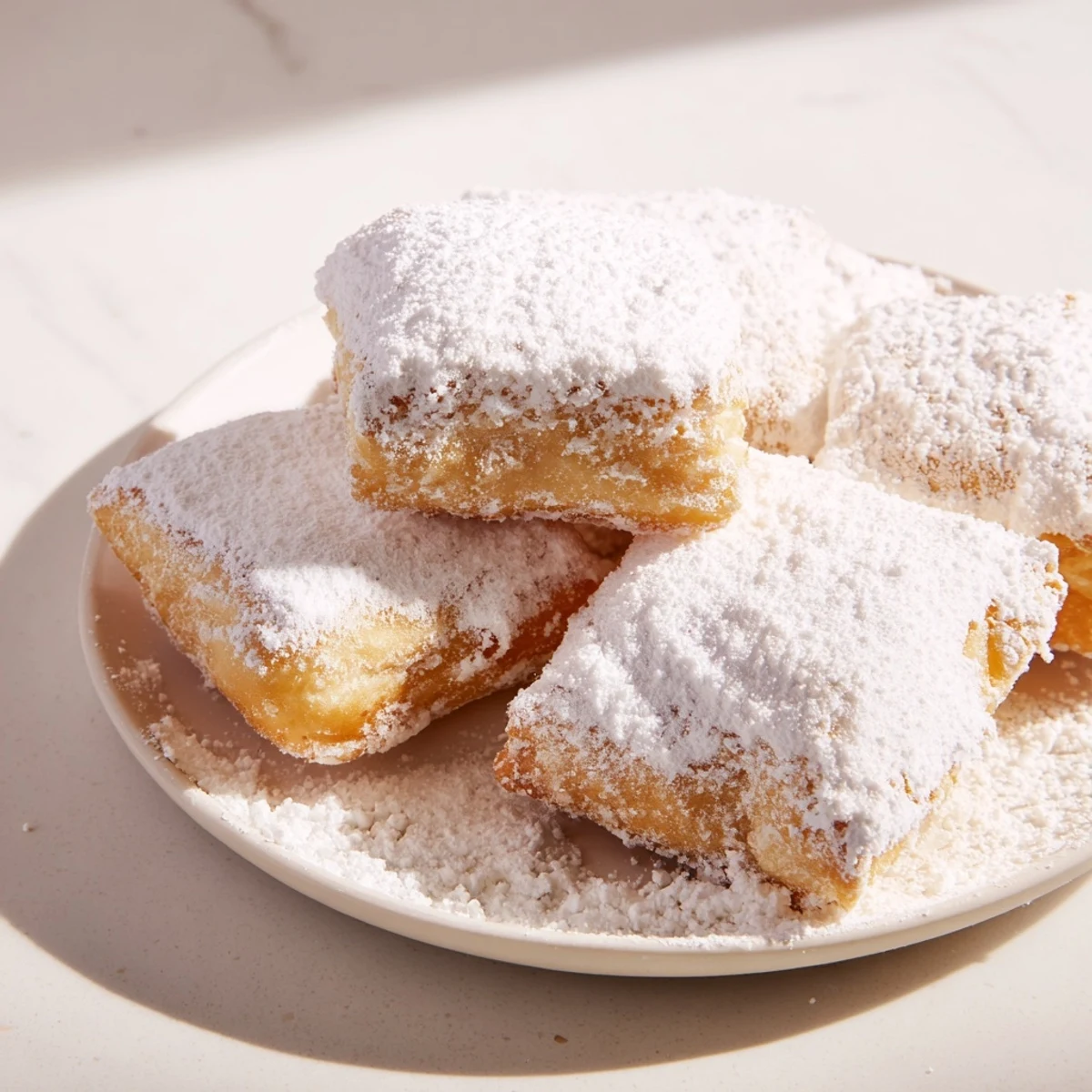
A light hand with powdered sugar is for amateurs. The proper New Orleans method involves burying each beignet completely, then shaking off the excess. I use a fine-mesh sieve for the most even distribution, though a paper bag with holes punched in it works beautifully for coating larger batches. The goal is a snow-covered landscape on your plate, not a polite sprinkle.
Make-Ahead Magic
You can shape the dough squares and freeze them between layers of parchment paper. When the craving hits, drop frozen squares directly into hot oil, adding an extra minute to the frying time. This trick has saved many lazy weekend mornings when I want fresh beignets without the full production.
- Set up a cooling station with paper towels before you start frying
- Keep a small bowl of water nearby for oil splatters that escape the pot
- Never walk away from hot oil—beignets go from perfect to burned in seconds
 Pin It
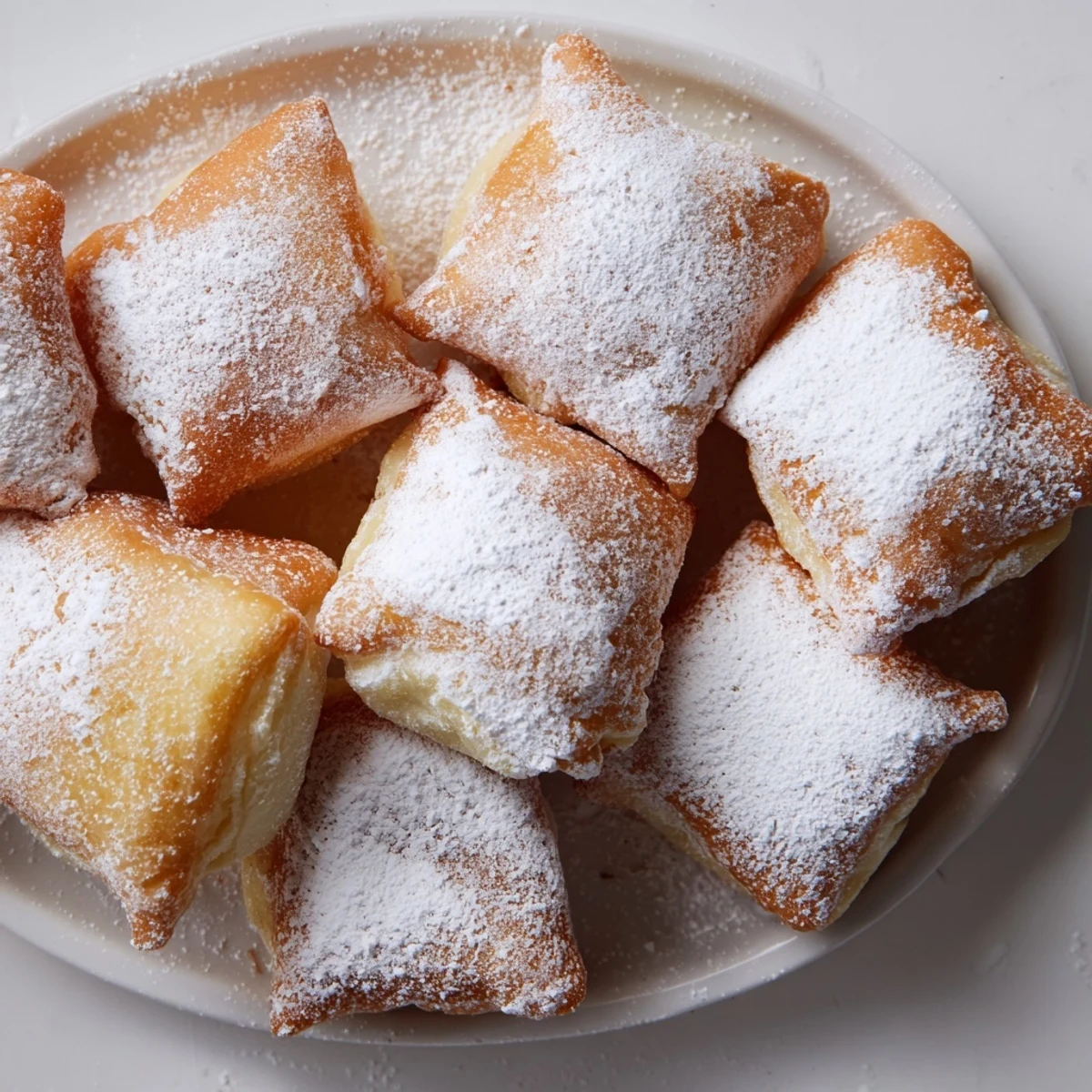
 Some mornings deserve sugar on your nose and flour in your hair. Beignets aren't just breakfast—they're permission to make a beautiful mess and eat it while it's warm.
Recipe Questions & Answers
- → What makes beignets fluffy and light?
-
The use of active dry yeast and proper rising time allows the dough to develop air pockets, resulting in a tender, pillowy texture after frying.
- → Can the dough be prepared ahead of time?
-
Yes, shaped dough squares can be frozen and fried directly from the freezer, preserving freshness and ease of cooking later.
- → What oil temperature is best for frying beignets?
-
Maintaining the oil at around 350°F (175°C) ensures a golden, crispy exterior while keeping the inside soft and airy.
- → Are there traditional accompaniments for beignets?
-
Beignets pair wonderfully with café au lait or a warm beverage, enhancing the authentic New Orleans experience.
- → Can spices be added to the dough for extra flavor?
-
Adding a pinch of nutmeg or cinnamon to the dough can provide subtle warmth and enhance the overall flavor profile.