 Pin It
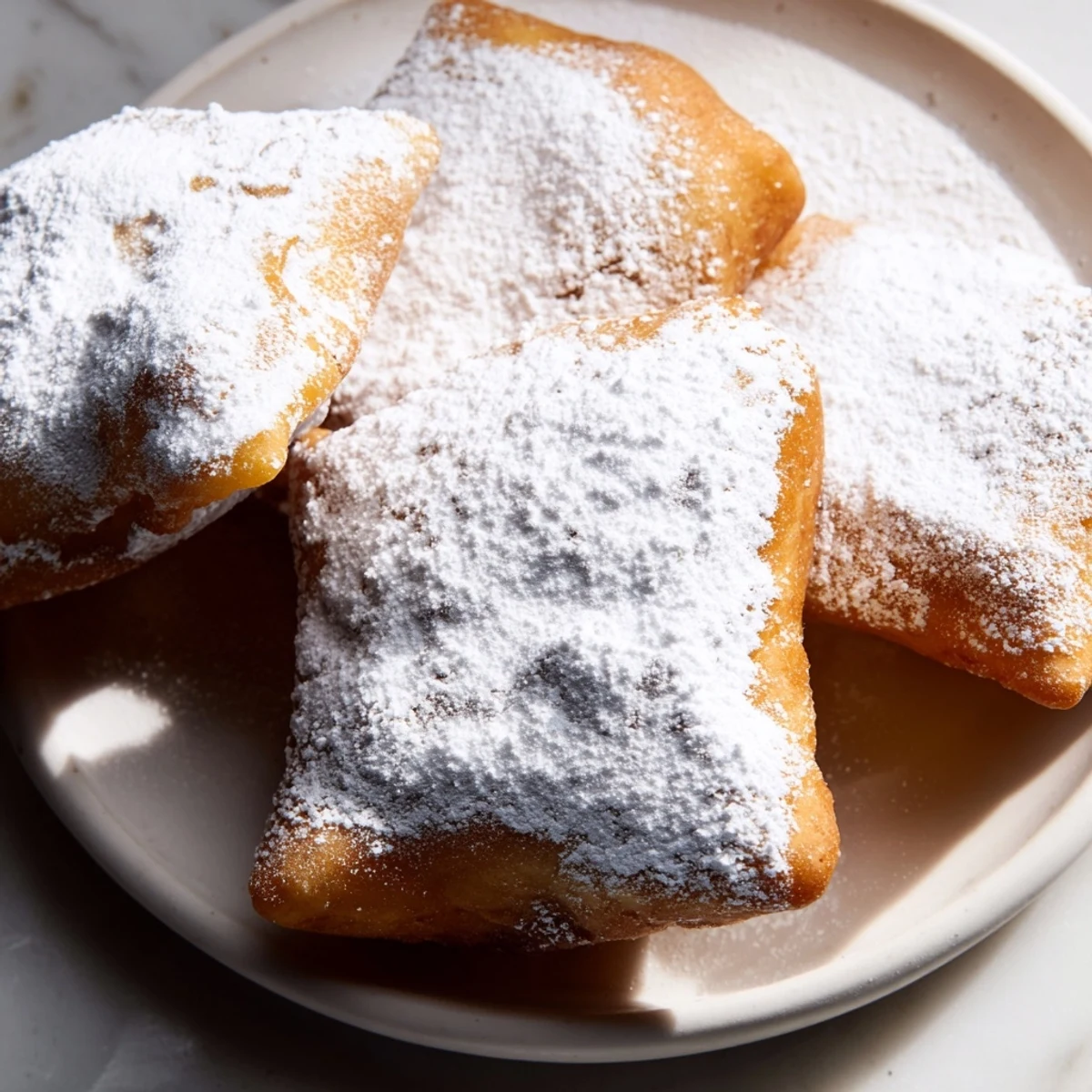
 Experience the light and airy texture of Mardi Gras beignets, gently fried until golden and finished with a generous dusting of powdered sugar. The dough, enriched with milk, butter, and vanilla, is allowed to rise for a soft, pillowy interior. Frying in hot oil creates a crisp exterior that perfectly balances the sweet coating. These treats celebrate classic New Orleans flavors and bring a festive flair to any gathering.
Standing on a balcony in the French Quarter at sunrise, I watched steam curl off my first Café du Monde beignet while jazz drifted from somewhere down the street. The powdered sugar coated everything—my hands, my sweater, probably even my hair. I remember thinking that something this messy and wonderful had to be recreated at home, no matter how many attempts it took.
Mardi Gras season arrived unexpectedly last year when friends gathered at my kitchen table, tired from winter but craving celebration. We fried batch after batch, powdered sugar floating through the air like snow, trading stories and stealing warm beignets straight from the draining rack. Now the smell of frying dough always brings me back to that night of laughter and sugar-dusted countertops.
Ingredients
- Active dry yeast: The foundation of those signature air pockets inside each beignet
- Warm water: Must be around 110°F to wake the yeast without killing it
- Granulated sugar: Feeds the yeast and adds subtle sweetness to the dough itself
- Unsalted butter: Melted and cooled slightly so it incorporates evenly without scrambling the egg
- Whole milk: Creates richness and tenderness in the crumb
- Large egg: Adds structure and helps the dough develop that classic golden color when fried
- Vanilla extract: Rounds out the flavor and makes the kitchen smell incredible
- Salt: Balances the sweetness and enhances all the other flavors
- All-purpose flour: The backbone of the dough, providing just enough protein for structure without toughness
- Vegetable oil: Neutral flavor lets the beignets shine while creating that perfect crispy exterior
- Powdered sugar: The non-negotiable finishing touch that makes beignets instantly recognizable
Instructions
- Wake up the yeast:
- Dissolve the yeast in warm water and watch for tiny bubbles to form on the surface after about 5 minutes, confirming its alive and ready to work.
- Build the dough base:
- Whisk in the sugar, melted butter, milk, egg, vanilla, and salt until everything is smooth and welcoming.
- Bring it together:
- Gradually add flour while mixing, stopping when you have a soft, slightly tacky dough that feels alive in your hands.
- Develop the texture:
- Knead on a floured surface for 3 to 4 minutes until the dough transforms from shaggy to smooth and elastic.
- Let it rise:
- Place in a greased bowl, cover with a towel, and find the warmest corner of your kitchen for about 1 to 1½ hours until doubled.
- Shape your beignets:
- Punch down gently, roll to ½-inch thickness, and cut into 2-inch squares with confidence—a sharp knife makes all the difference.
- Heat the oil:
- Bring your oil to 350°F, maintaining that temperature consistently for the best golden results.
- Fry to perfection:
- Cook in batches for 2 to 3 minutes per side until puffed and beautifully golden, giving each piece space to breathe in the oil.
- The finishing touch:
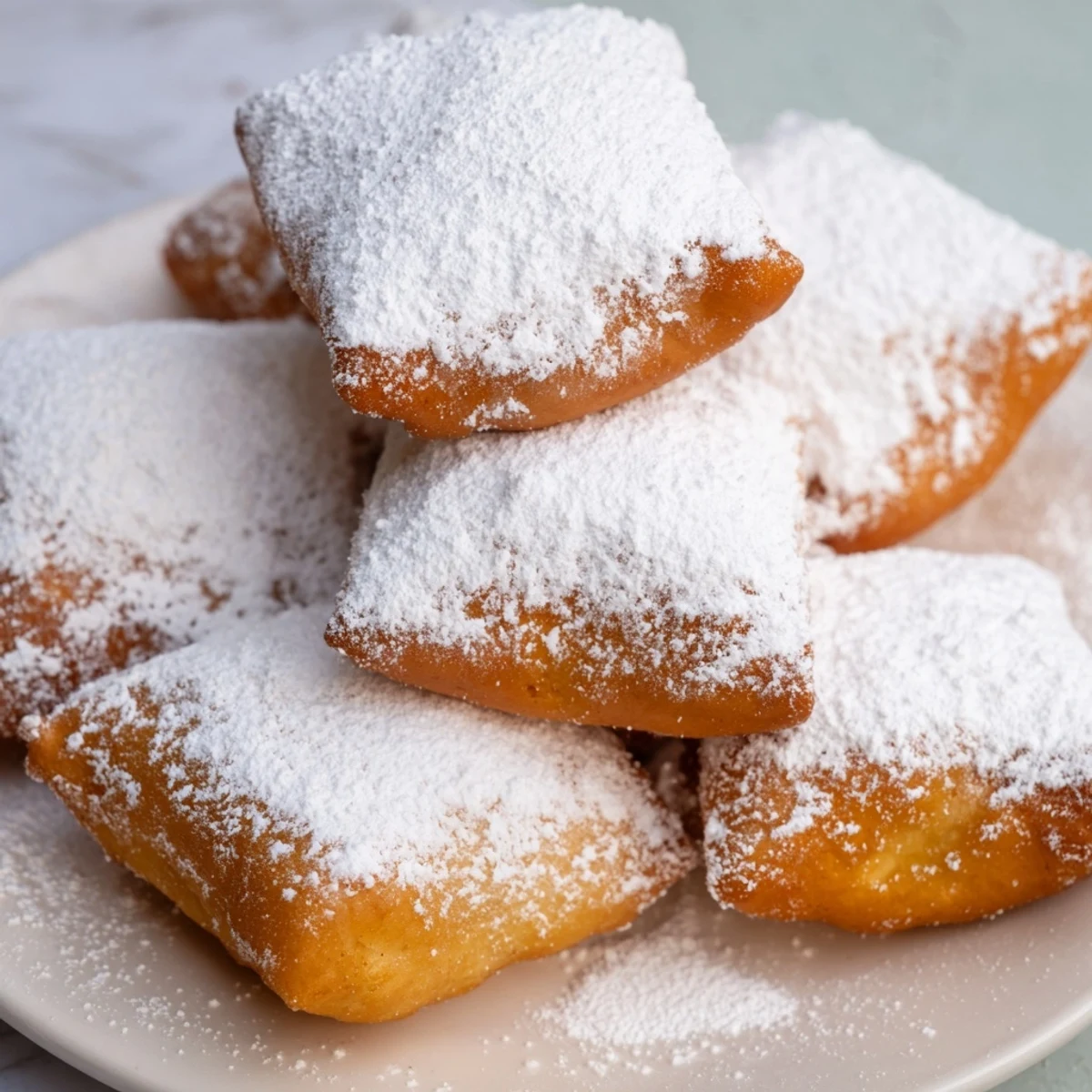
- Let drain briefly on paper towels, then dust generously with powdered sugar while still warm for that authentic experience.
 Pin It
 My nephew once helped me make these, his small hands covered in flour and determination. When his first batch emerged from the oil, perfectly golden and puffed, his face lit up like he had performed magic. Now every time he visits, beignets are the first thing he requests, and I happily oblige.
The Secret to Perfect Puffs
The oil temperature is everything—too hot and they burn outside before cooking inside, too cool and they become heavy. I keep a thermometer clipped to the side of the pot and resist the urge to touch or flip them too early. Trusting the process, even when they look strange at first, yields the lightest results.
Making Them Your Own
Lemon zest added to the dough creates bright, sunny notes that cut through the richness. I have also experimented with a hint of nutmeg or cinnamon for warmth, especially during colder months. These small additions make the recipe feel personal while staying true to its roots.
Serving Suggestions
Beignets demand to be eaten immediately, surrounded by good conversation and maybe a cup of coffee or chicory. I love serving them on a platter with extra powdered sugar on the side so guests can coat them to their liking.
- Set up a topping bar with cinnamon sugar or cocoa powder for variety
- Pair with a café au lait for the full French Quarter experience
- Keep them warm in a 200°F oven if you cannot serve them right away
 Pin It
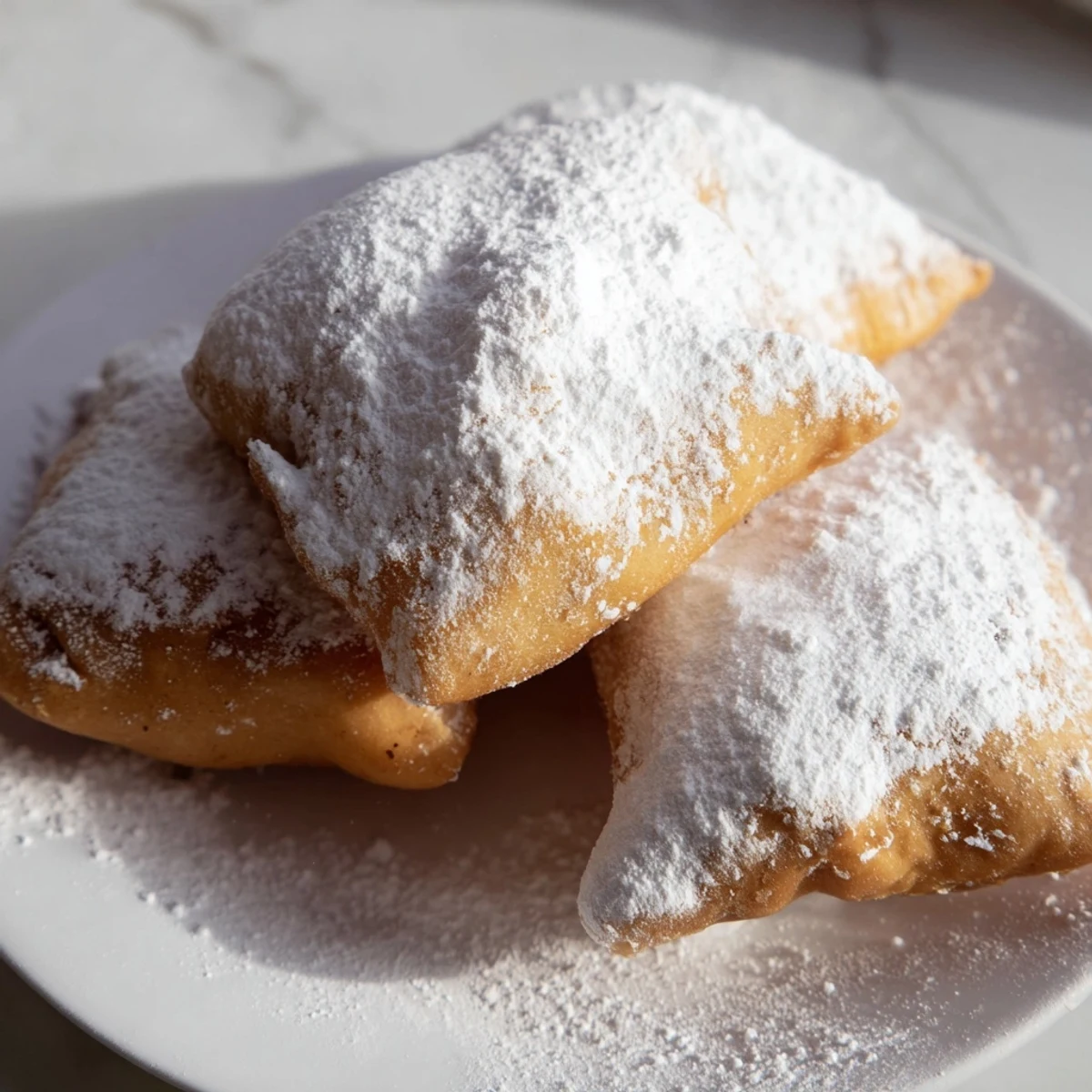
 There is something joyful about food that requires getting a little messy, and beignets embrace that completely. I hope this recipe brings a touch of New Orleans magic to your kitchen.
Recipe Questions & Answers
- → What makes the beignets fluffy and light?
-
The combination of yeast fermentation and proper rising time creates air bubbles in the dough, resulting in a soft and fluffy texture.
- → How can I achieve a golden crust on the beignets?
-
Frying the dough squares in hot oil at 350°F ensures a crisp, golden exterior while keeping the inside tender.
- → Is it important to use warm water when activating yeast?
-
Yes, warm water around 110°F helps activate the yeast effectively, promoting good dough rise and texture.
- → Can I add flavors to the dough?
-
Adding citrus zest like lemon or orange adds a subtle brightness without altering the dough's texture.
- → How should leftover beignets be stored or reheated?
-
Leftovers can be gently reheated in a 300°F oven for a few minutes to restore warmth and crispness.