 Pin It
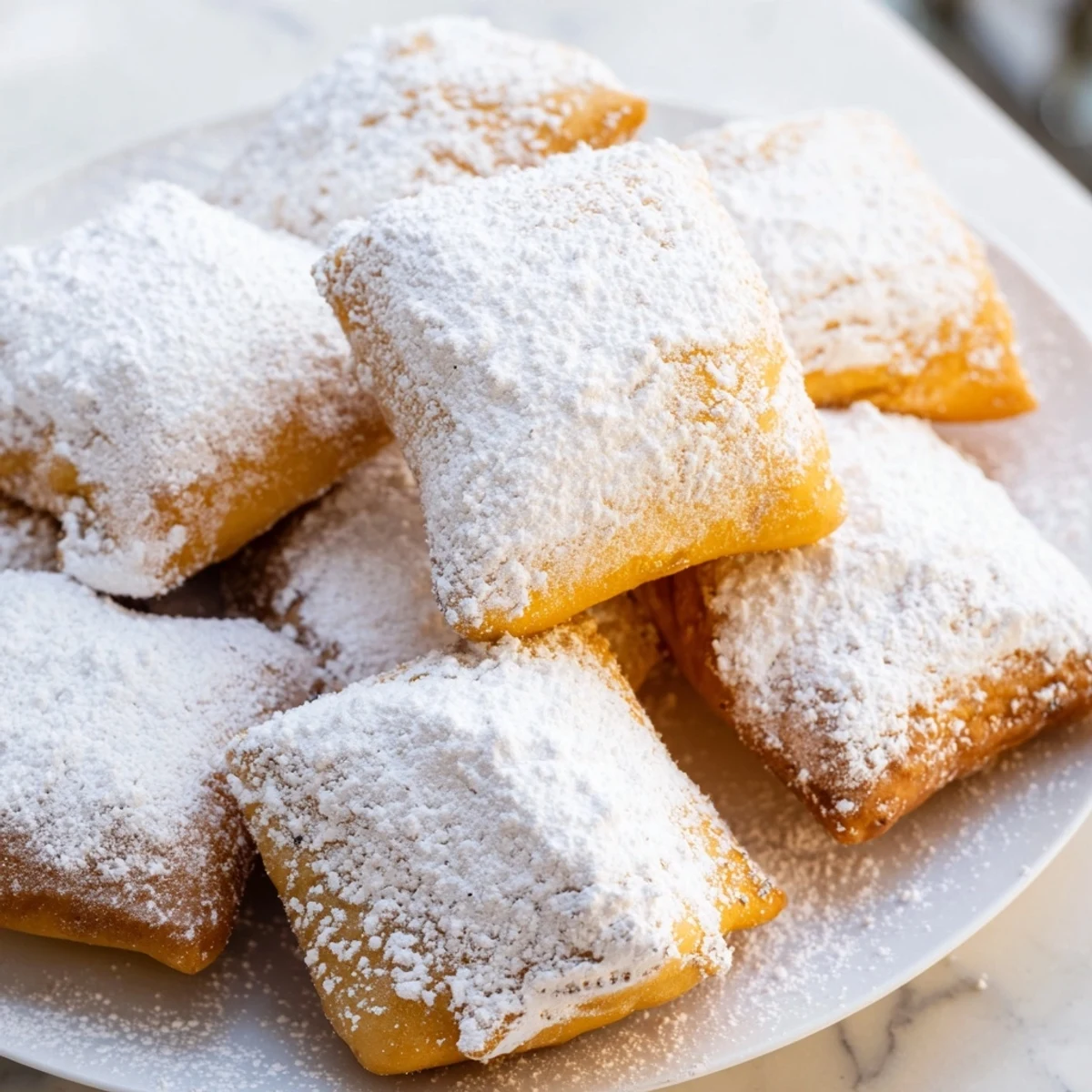
 These light and fluffy beignets capture the festive spirit of New Orleans with their golden, airy texture. Prepared from a yeast-leavened dough, they rise perfectly before being fried to a crisp exterior. Once cooked, each square is generously dusted with powdered sugar, creating a sweet finishing touch. Ideal for celebrations or casual indulgences, these beignets pair wonderfully with chicory coffee and offer a delightful balance of soft interior and crispy outside.
The preparation includes mixing warm water with yeast, combining flour and sugar, kneading until elastic, followed by a slow rise. After rolling and cutting the dough, the pieces are fried until puffed and golden. Adding spices like nutmeg or cinnamon to the dough can elevate flavor, while frying in vegetable oil ensures a clean taste. Best enjoyed fresh, this treat showcases classic American (New Orleans) cuisine with its simple yet irresistible appeal.
The first time I walked into Café du Monde in New Orleans, I was covered in powdered sugar within minutes. The air was thick with it, swirling around tables of laughing tourists and locals who knew exactly how to tackle these square pillows of fried dough without looking like they'd just survived a snowstorm. I watched a woman across from me expertly fold her beignet in half, catching the escaping sugar cloud, and realized there was technique to this messy joy.
Last February, I made these for a Mardi Gras party and learned that beignets are best served as soon as they hit the plate. My friends gathered around the stove, watching the oil bubble and dough puff up like magic, each person waiting their turn for the fresh batch. We ended up standing around the island, forks in hand, eating them faster than I could fry them, powdered sugar coating everything from the countertops to our eyelashes.
Ingredients
- All-purpose flour: The backbone of your dough, giving structure while keeping the interior tender
- Active dry yeast: This tiny organism creates the signature puff and lightness that makes beignets irresistible
- Warm water: Must be exactly 110°F to activate the yeast without killing it
- Whole milk: Adds richness and helps create that golden crust when fried
- Granulated sugar: A touch of sweetness in the dough balances the savory exterior
- Salt: Essential for flavor and helps control yeast fermentation
- Eggs: Room temperature eggs incorporate better and provide structure
- Unsalted butter: Melted butter adds tenderness and flavor
- Vanilla extract: Deepens the flavor profile
- Vegetable oil: A neutral oil with a high smoke point is crucial for proper frying
- Powdered sugar: The finishing touch that makes beignets instantly recognizable
Instructions
- Wake up the yeast:
- Combine the warm water, milk, and yeast in a small bowl and let it sit for 5 minutes until foamy
- Whisk the dry ingredients:
- In a large mixing bowl, whisk together the flour, sugar, and salt until well combined
- Mix the dough:
- Add eggs, melted butter, vanilla, and the yeast mixture to the flour mixture and mix until a sticky dough forms
- Knead to perfection:
- Knead the dough on a lightly floured surface for 5 to 7 minutes until smooth and elastic
- Let it rise:
- Place the dough in a greased bowl, cover with plastic wrap or a damp towel, and let rise in a warm place until doubled in size, about 1 to 1.5 hours
- Roll it out:
- Punch down the dough, then roll it out on a floured surface to a quarter inch thickness
- Cut the squares:
- Cut the dough into 2-inch squares using a sharp knife or pizza cutter
- Heat the oil:
- Heat oil in a heavy-bottomed pot or deep fryer to 350°F
- Fry in batches:
- Fry beignets in batches of 4 to 6 at a time for 1 to 2 minutes per side until puffed and golden brown
- Drain and dust:
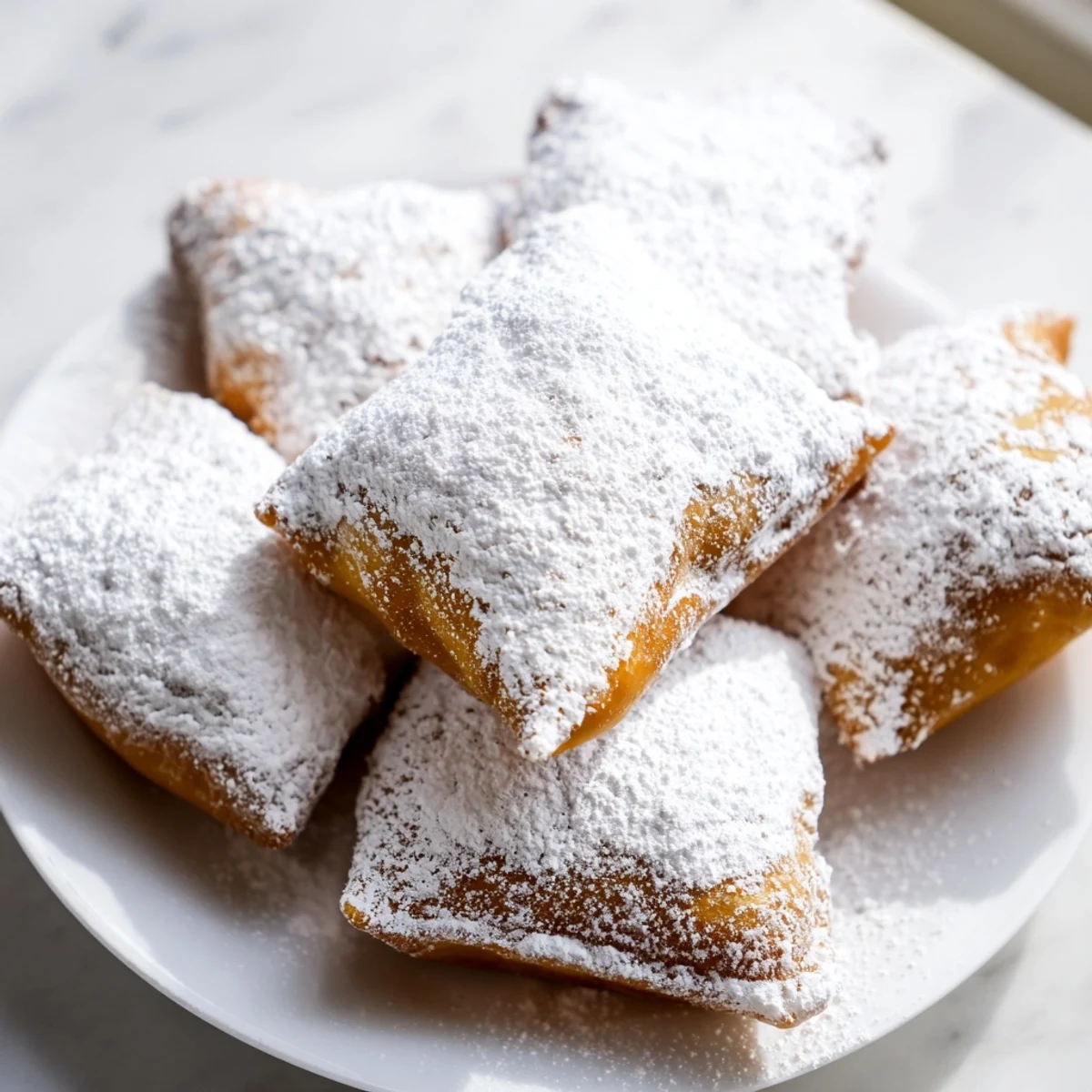
- Remove beignets with a slotted spoon, drain on paper towels, and generously dust with powdered sugar while still warm
 Pin It
 These beignets have become my go-to comfort food. One rainy Sunday, I made them just for myself, standing at the stove in my pajamas, watching the rain against the kitchen window while I waited for each batch to float to the surface. There was something incredibly healing about the simple ritual of rolling, cutting, and frying, the quiet house filling with the scent of warm dough and sugar.
Perfecting Your Dough
The dough should feel tacky but not impossibly sticky when you are kneading it. I have found that a well floured surface and confident hands are the key to working with this dough without adding too much extra flour. The more you work with it, the more you will feel the transformation from shaggy mass to smooth elastic dough.
Mastering the Fry
A deep fry thermometer takes the guesswork out of frying, but if you do not have one, you can test the oil by dropping in a small piece of dough. It should sizzle immediately and rise to the surface within a few seconds. That visual cue tells you the oil is ready for that first batch of beignets.
Serving Suggestions
While beignets are perfect on their own, a cup of strong chicory coffee alongside them creates an authentic New Orleans experience. The bitterness of the coffee cuts through the sweetness and richness of the fried dough.
- Try a squeeze of fresh lemon juice over the powdered sugar for a bright contrast
- A small bowl of warm chocolate sauce on the side makes for an indulgent dip
- For a modern twist, serve with a scoop of vanilla ice cream between two warm beignets
 Pin It
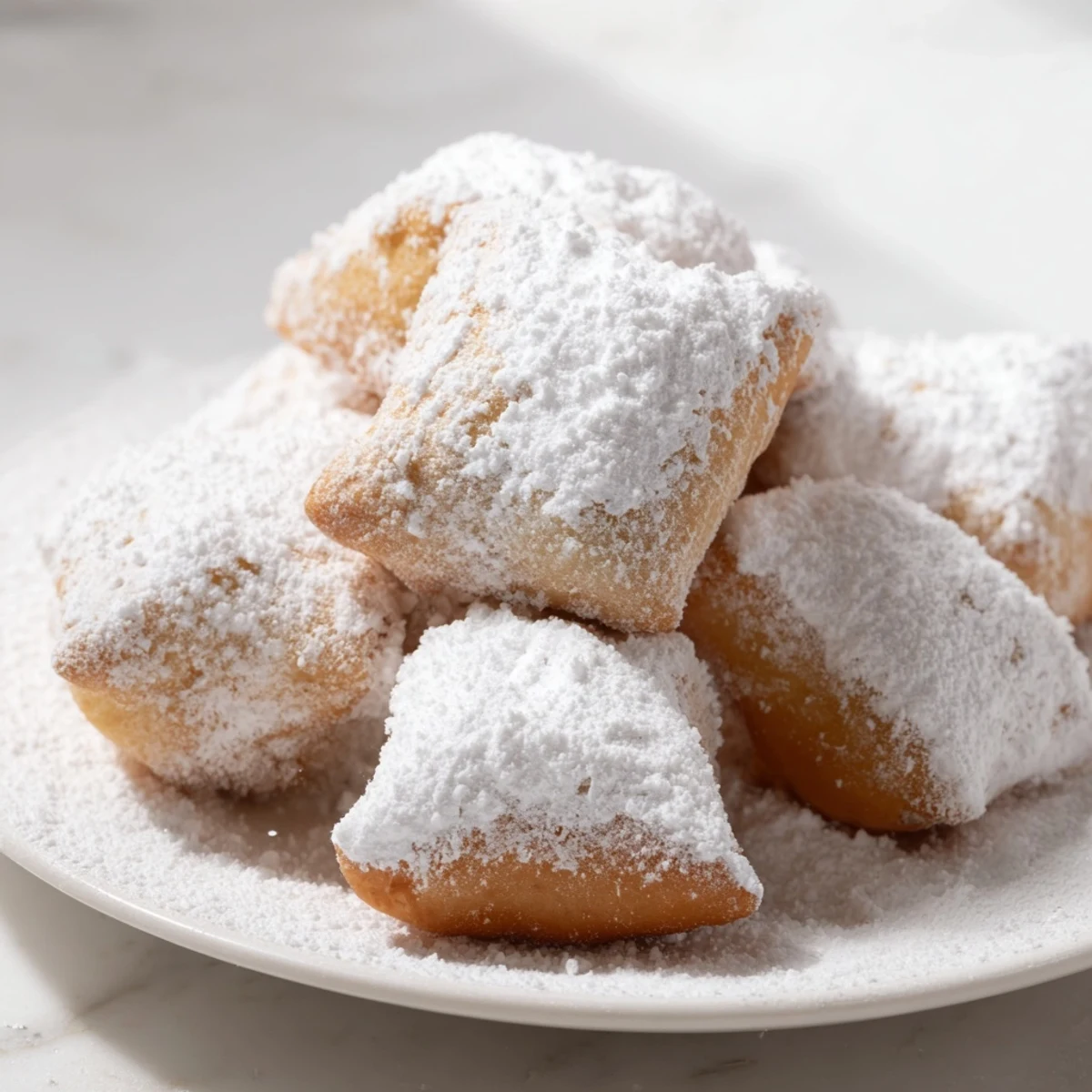
 There is something pure about making beignets at home, surrounded by friends and family, everyone covered in sugar and grinning. That simple joy is exactly what Mardi Gras celebrations are all about.
Recipe Questions & Answers
- → What type of flour is best for these beignets?
-
All-purpose flour works well to create the right texture, providing structure without heaviness.
- → How do I know when the oil is at the correct temperature?
-
Use a kitchen thermometer to heat the oil to 350°F (175°C) for optimal frying and puffiness.
- → Can I prepare the dough in advance?
-
Yes, refrigerate the dough overnight and bring it to room temperature before rolling and frying.
- → What gives beignets their signature fluffy texture?
-
The yeast-leavened dough and proper rising time create the airy, tender interior characteristic of beignets.
- → Are there variations to enhance the flavor?
-
Adding a pinch of nutmeg or cinnamon to the dough adds warmth and depth to the classic flavor.