
 Pin It
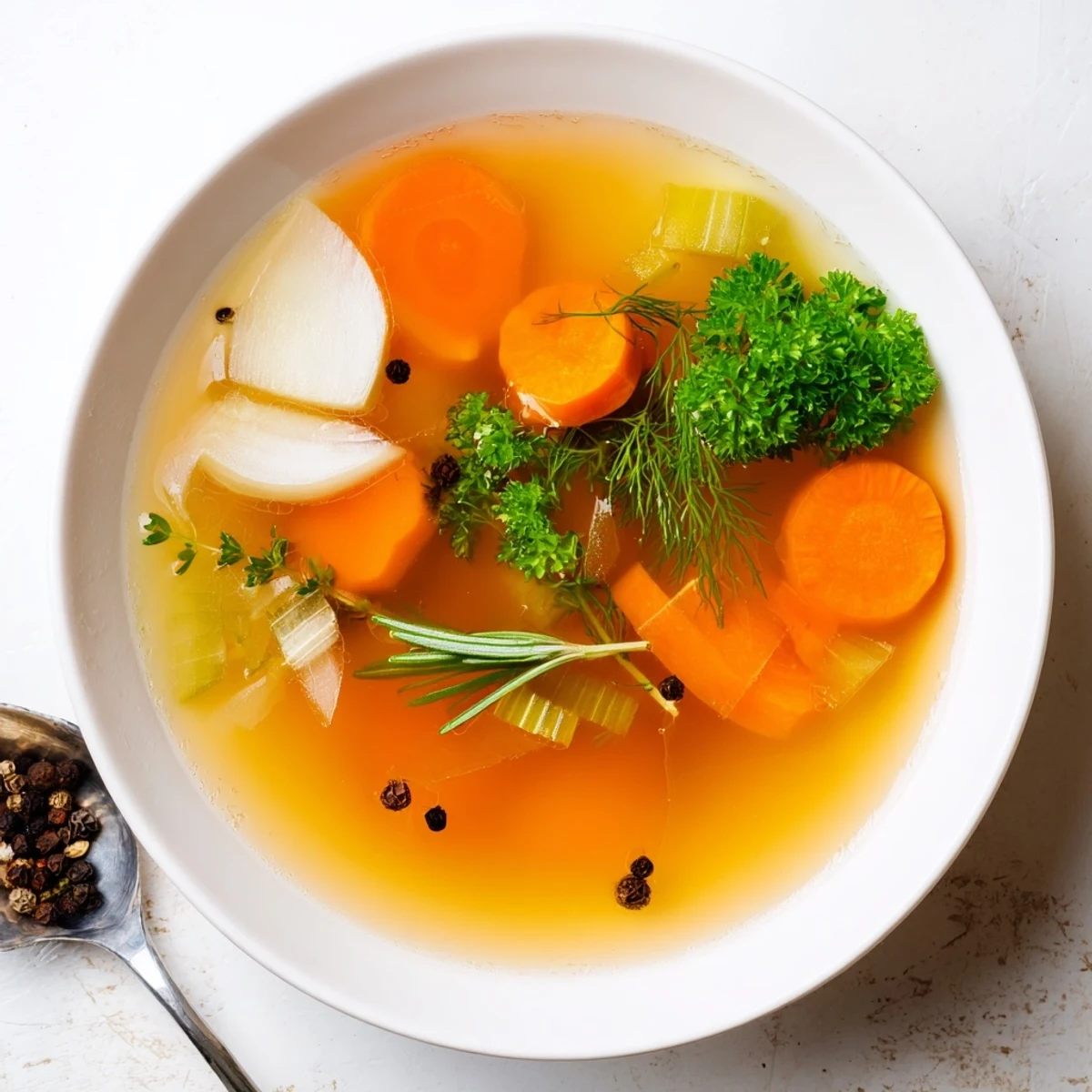
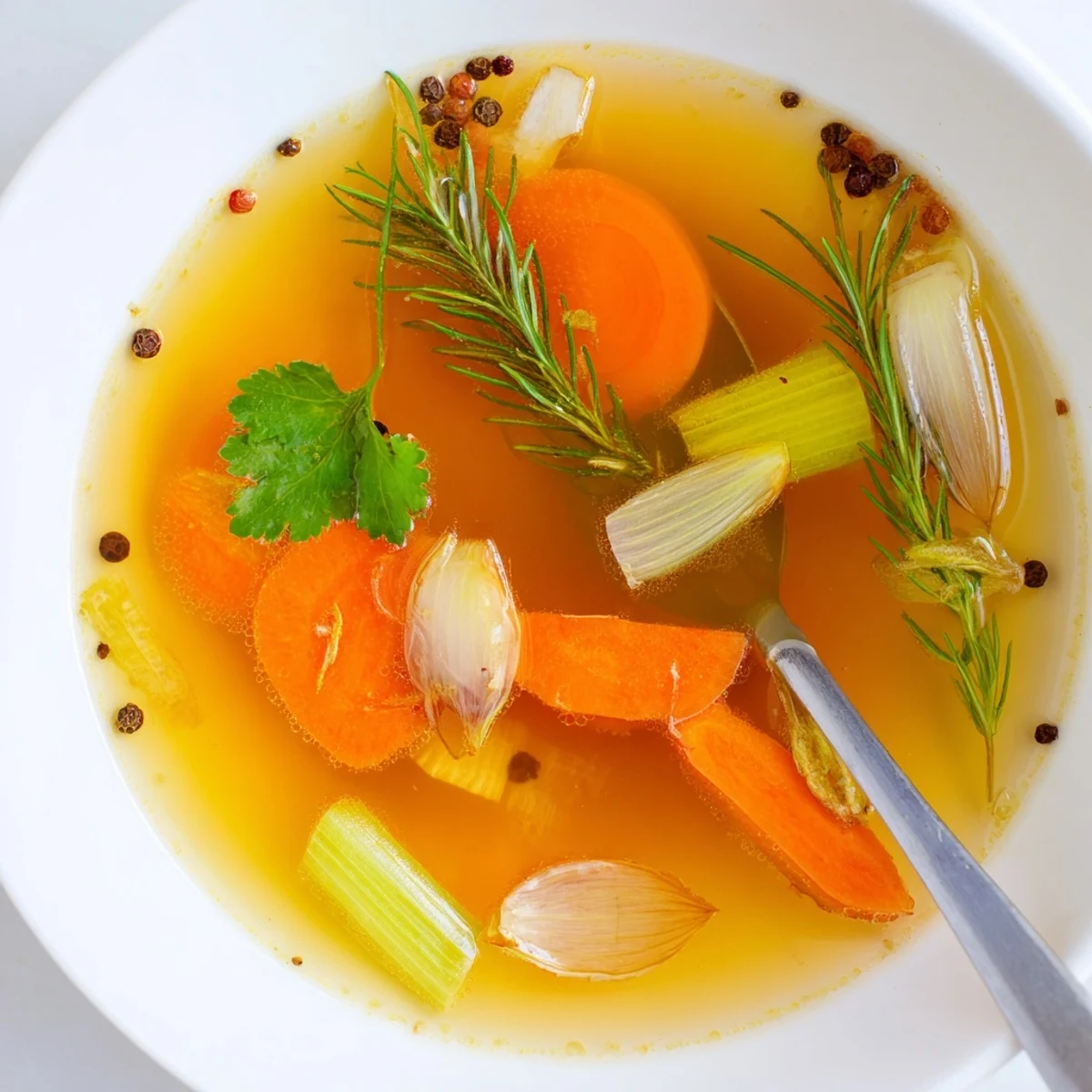
 Create a nourishing, aromatic vegetable broth using simple fresh ingredients and herbs. This versatile base combines carrots, celery, onion, leek, and garlic with parsley, thyme, rosemary, and bay leaves for deep flavor. Simmer for one hour to extract maximum taste, then strain for a clear, golden liquid perfect for soups, sauces, risottos, or cooking grains. The broth keeps refrigerated for five days or frozen for three months, making it ideal for batch cooking. For richer depth, roast vegetables beforehand.
My apartment smelled absolutely incredible last weekend. I'd been saving vegetable scraps in the freezer for weeks, those carrot tops and celery ends that usually get tossed, and finally had enough to make proper broth. There's something deeply satisfying about turning what would be waste into something golden and nourishing.
I made a huge batch during that snowstorm we had last month. My neighbor came over with a loaf of bread and we sat at the kitchen table with steaming mugs, watching the snow pile up outside while the broth simmered away. Sometimes the simplest food is the most comforting.
Ingredients
- 2 large carrots: Sweetness that builds the foundation of flavor
- 2 celery stalks: Essential aromatic backbone
- 1 large onion: Dont peel it, the skin adds beautiful color
- 1 leek: Mild onion flavor that elevates everything
- 1 parsnip: Optional but adds lovely earthiness
- 3 garlic cloves: Smash them with the side of your knife
- Fresh parsley, thyme, rosemary: The aromatic trio that makes it sing
- 2 bay leaves: Deep, resinant flavor
- 8-10 peppercorns: Gentle warmth without overwhelming
- 2.5 liters cold water: Cold water draws out flavor slowly
- 1 teaspoon sea salt: Adjust at the end since it reduces
Instructions
- Prep your vegetables:
- Cut everything into roughly equal chunks so they cook evenly, about 2 inches is perfect
- Combine everything in the pot:
- Toss in all vegetables, herbs, peppercorns, and bay leaves into your largest stockpot
- Add water and salt:
- Pour in the cold water and add your salt, stirring gently to distribute
- Bring to a gentle boil:
- Medium-high heat until you see bubbles, then immediately lower
- Simmer slowly:
- Keep it at the barest simmer for 60 minutes, skimming any foam that floats to the top
- Strain carefully:
- Pour through a fine-mesh sieve into a large bowl, pressing gently on solids but not forcing them
- Season and cool:
- Taste and add more salt if needed, then cool completely before storing
 Pin It
 This recipe saved me when I was sick last winter. Couldnt taste anything but that broth, somehow it felt like medicine. Now I make double batches and keep containers in the freezer, just in case.
Making It Richer
Roast your vegetables at 200°C for 25 minutes before simmering. The caramelization adds depth that's impossible to get otherwise. I do this when I want broth that stands on its own.
Storage Solutions
Freeze in 1-cup portions for easy recipe use. Silicone muffin tins are perfect for this, then transfer to bags. Label everything, trust me, frozen broth cubes look identical.
Ways To Use It
Beyond soup, use it to cook grains like rice or quinoa. The liquid absorbs right in. Also fantastic for deglazing pans when making sauces or as a light cooking liquid for braising vegetables.
- Freeze herb stems and vegetable trimmings until you have enough
- Add a splash of soy sauce or miso for extra umami
- Roast chicken bones and add them for a hybrid broth
 Pin It
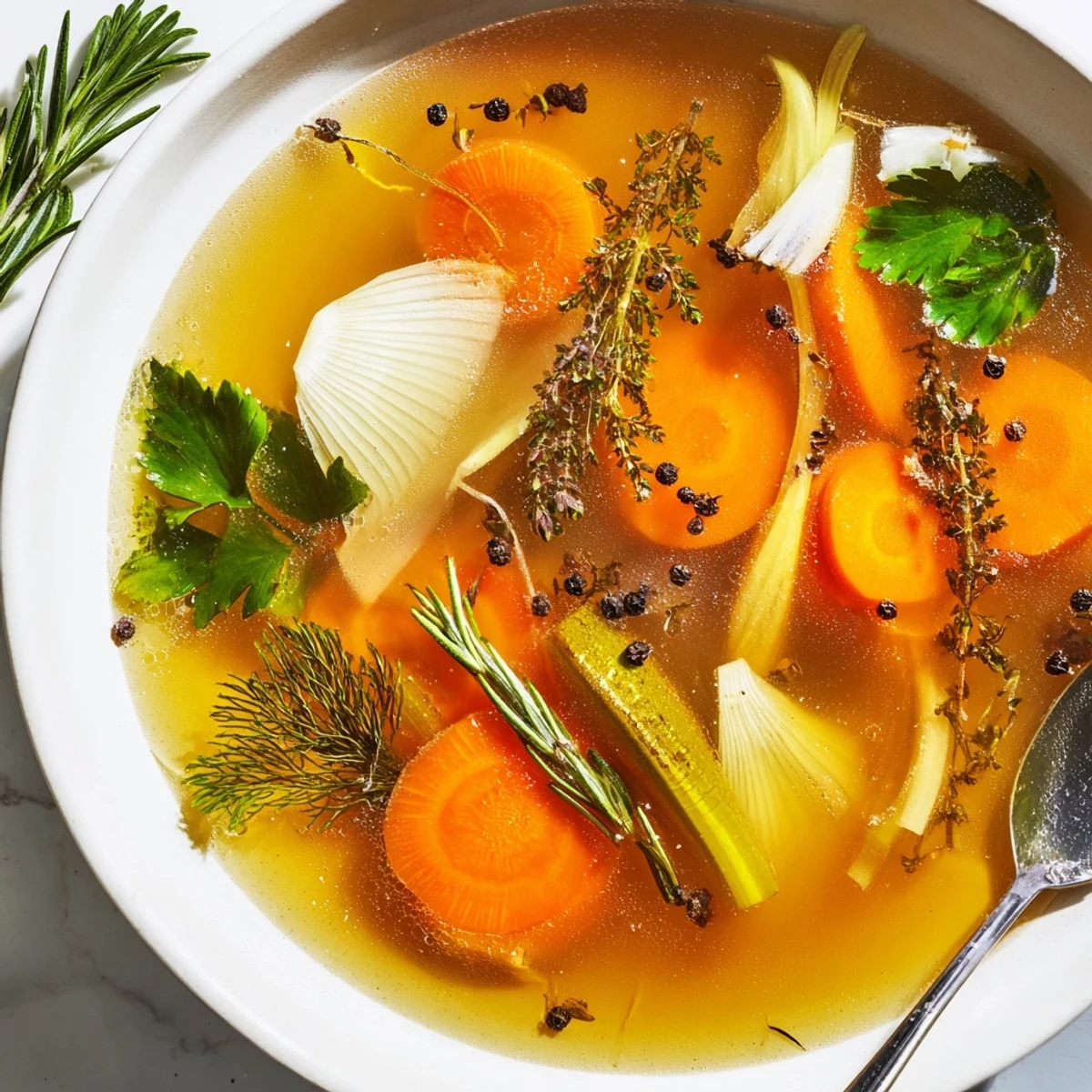
 Theres something meditative about making broth, watching it transform from plain water to liquid gold. Hope it brings your kitchen as much warmth as its brought mine.
Recipe Questions & Answers
- → How long does homemade vegetable broth keep?
-
Store in the refrigerator for up to 5 days or freeze for up to 3 months in airtight containers.
- → Can I use frozen vegetables?
-
Yes, frozen vegetables work well though fresh herbs provide the best aromatic flavor.
- → What can I use instead of fresh herbs?
-
Dried herbs work at one-third the quantity. Use 1 teaspoon dried thyme and rosemary instead of fresh sprigs.
- → How can I make the broth richer?
-
Roast vegetables at 200°C for 25 minutes before simmering, or add mushrooms and tomato for deeper umami flavor.
- → Should I salt the broth?
-
Add minimal salt during cooking to keep it versatile. Season final dishes instead, as broth reduces during cooking.
- → What's the difference between stock and broth?
-
Broth cooks shorter with seasoned water for sipping, while stock simmers longer with bones for body. This vegetable version bridges both.