 Pin It
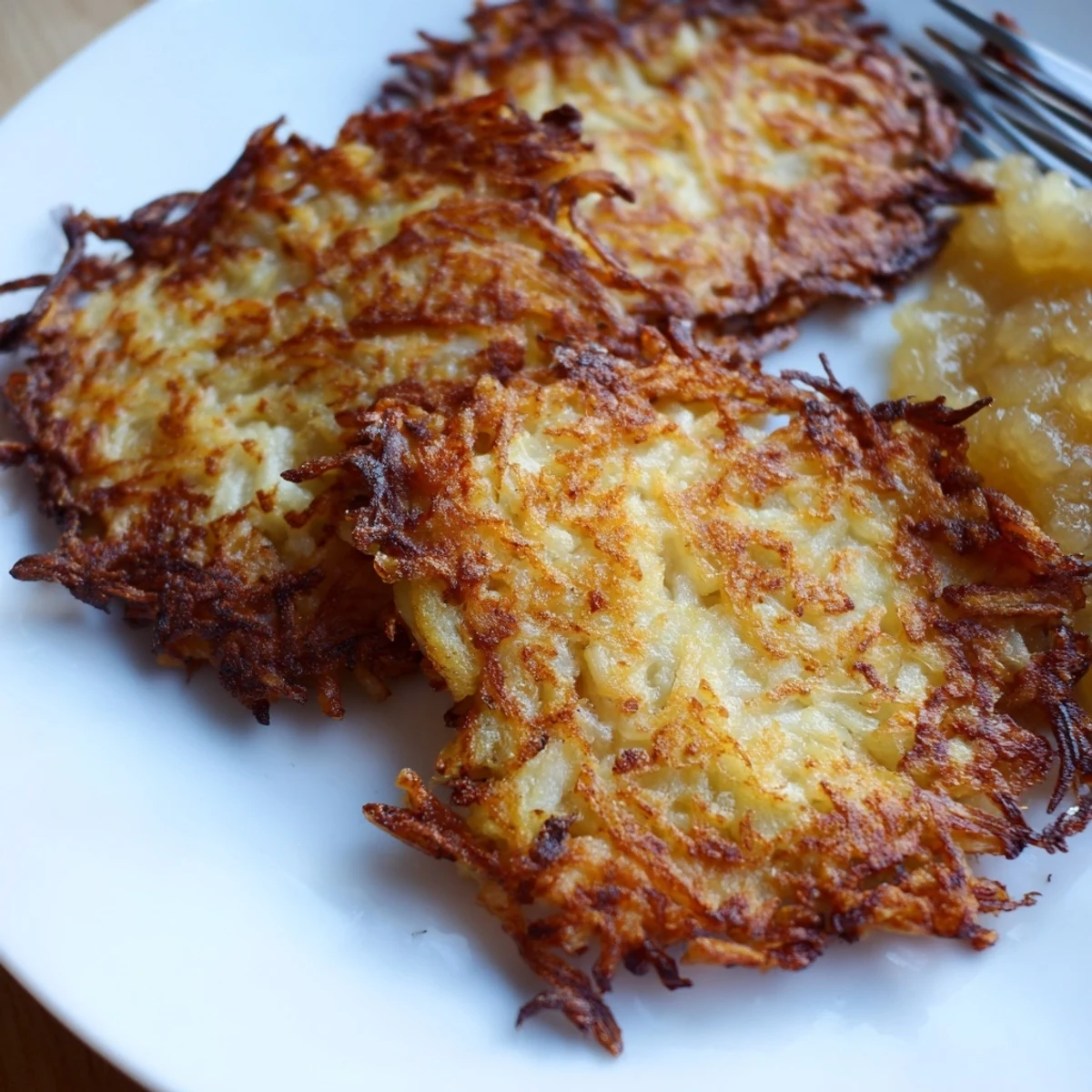
 These classic German potato pancakes deliver the perfect combination of crispy exterior and tender interior. Made with simple ingredients like starchy potatoes, onion, eggs, and a touch of nutmeg, they fry up golden and delicious. The secret to achieving the ideal texture lies in squeezing excess moisture from the grated potatoes before mixing with the binding ingredients. Each pancake cooks in just minutes, resulting in irresistibly crunchy edges and a soft, flavorful center. Serve them hot with traditional accompaniments like chilled applesauce or tangy sour cream for an authentic experience that transports you straight to German kitchens.
The sizzle of grated potatoes hitting hot oil still takes me back to my grandmother\'s tiny kitchen in Hamburg, where the windows would steam up no matter how cold it was outside. She never measured anything, yet her kartoffelpuffer were always perfect and I\'ve spent years trying to decode her intuitive methods. There was one rainy Sunday when I finally realized the secret wasn\'t some mysterious technique but simply patience in squeezing out every last drop of potato liquid.
I made these for my skeptical husband who claimed to dislike potato pancakes, and he ended up eating three straight from the pan while I was still cooking the rest. Now whenever I smell that distinctive potato frying aroma, I think of how simple food can create such instant happiness in a home.
Ingredients
- 900 g (2 lbs) starchy potatoes, peeled: Russet or Maris Piper varieties have the right starch content to achieve that perfect crispy exterior and soft interior
- 1 small onion, peeled: The onion adds a subtle sweetness that balances the earthy potatoes and creates a more complex flavor profile
- 2 large eggs: These bind everything together while helping the pancakes hold their shape during cooking
- 2 tbsp all-purpose flour: Just enough to give structure without making the pancakes heavy or doughy
- 1 tsp salt: Essential for bringing out the natural flavors of the potatoes and onion
- 1/4 tsp ground black pepper: Adds a gentle warmth that cuts through the richness
- 1/4 tsp freshly grated nutmeg (optional): This traditional German addition adds an unexpected depth that makes people wonder what your secret ingredient is
- 120 ml (1/2 cup) neutral oil for frying: Sunflower or canola oil has a high smoke point and won\'t overpower the delicate potato flavor
Instructions
- Prepare the potato mixture:
- Grate the potatoes and onion using the coarse side of a box grater or food processor, working quickly to prevent oxidation.
- Remove excess moisture:
- Place the grated mixture in a clean kitchen towel and squeeze out as much liquid as possible until the potatoes feel quite dry.
- Mix the batter:
- Transfer the mixture to a large bowl, add eggs, flour, salt, pepper, and nutmeg if using, then mix thoroughly until combined.
- Heat the oil:
- Pour oil into a large nonstick skillet and heat over medium-high heat until it shimmers but doesn\'t smoke.
- Form the pancakes:
- Drop heaping tablespoons of the potato mixture into the hot oil, flattening gently with a spatula to form pancakes about 1 cm thick.
- Fry to golden perfection:
- Cook for 3 to 4 minutes per side until deeply golden brown and crispy, then drain on paper towels.
- Keep warm and continue:
- Place cooked pancakes on a baking sheet in a low oven while you repeat with the remaining batter.
- Serve immediately:
- Bring them to the table hot with bowls of chilled applesauce and sour cream for dipping.
 Pin It
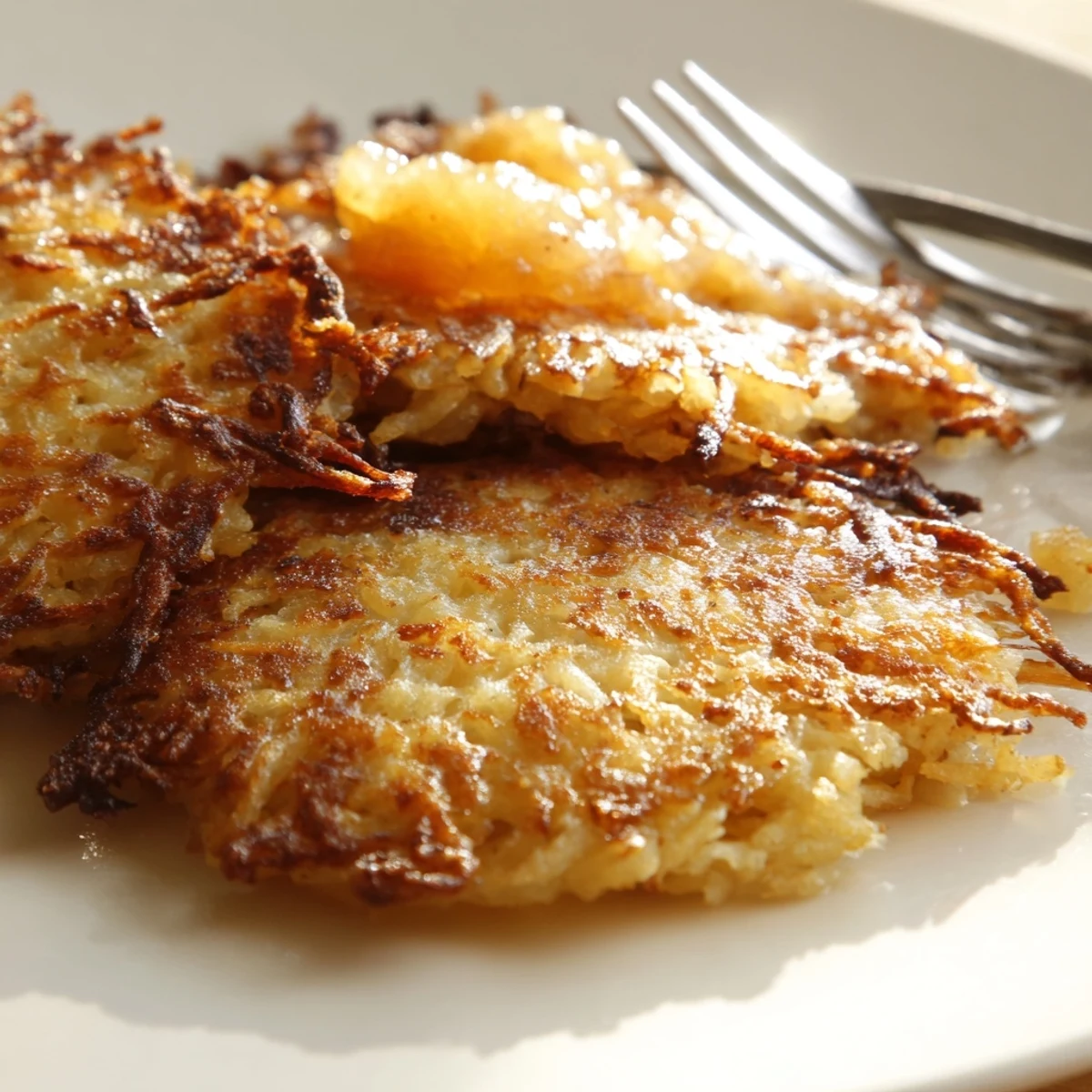
 My friend\'s children now request these every time they visit, and watching them discover the joy of dipping crispy pancakes into cool applesauce reminds me why some traditions are worth passing down.
Getting the Right Texture
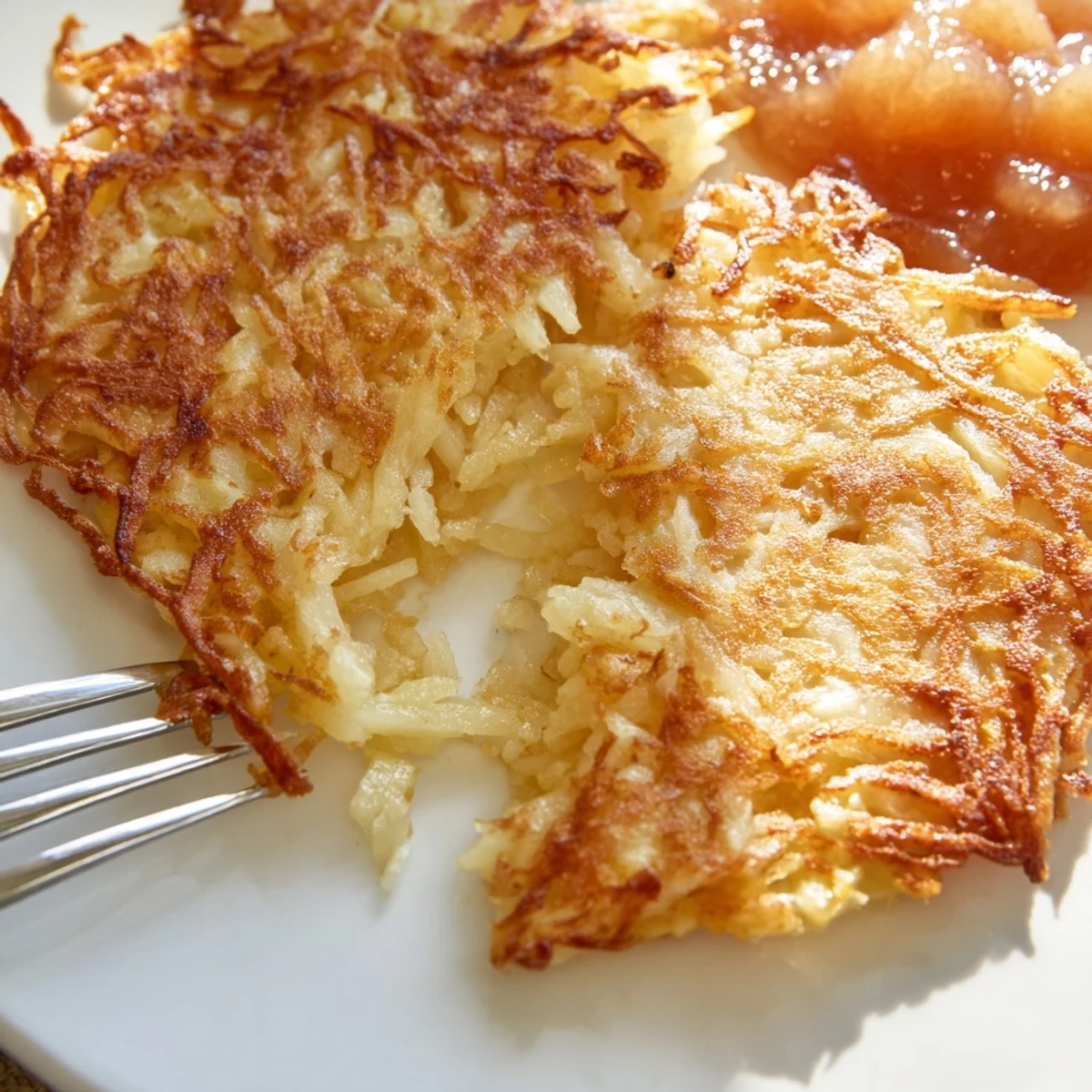
The difference between good and great potato pancakes comes down to moisture control. After grating, take your time squeezing the mixture in that kitchen towel, even doing it twice if needed. The drier the potatoes before they hit the oil, the more shatteringly crisp they\'ll become.
Serving Traditions
In Germany, these are often enjoyed as a light supper with green salad on the side, or as hearty snack during cold weather markets. The combination of hot savory pancakes with cold sweet applesauce is one of those perfect contrasts that just works.
Make-Ahead Tips
You can grate the potatoes and onions up to an hour ahead, but keep them submerged in cold water to prevent browning, then drain and squeeze thoroughly before adding the other ingredients. The formed raw patties can also be arranged on parchment paper and frozen flat before cooking.
- Reheat leftover pancakes in a 375°F oven rather than the microwave to restore crispiness
- Try swapping half the potatoes with grated zucchini during summer for a lighter variation
- If you want to avoid gluten, cornstarch or potato starch works as a flour substitute
 Pin It
 These potato pancakes have a way of bringing people together, whether served as a comforting dinner on a rainy evening or as part of a festive spread. There\'s something universally appealing about hot crispy food that\'s both simple and satisfying.
Recipe Questions & Answers
- → What type of potatoes work best?
-
Starchy potatoes like Russet or Maris Piper yield the crispiest results. Their high starch content and lower moisture create that perfect crunch while maintaining a fluffy interior.
- → Can I prepare the batter ahead of time?
-
It's best to grate and prepare the potatoes just before cooking. If left too long, the potatoes oxidize and release more liquid, making the pancakes soggy rather than crispy.
- → What can I serve with potato pancakes?
-
Traditional German accompaniments include applesauce and sour cream. They also pair wonderfully with smoked salmon, herbed quark, or simply sprinkled with coarse salt and fresh chives.
- → How do I get extra crispy pancakes?
-
Squeeze as much liquid as possible from the grated potatoes using a clean kitchen towel. Ensure your oil is hot before adding the batter, and don't overcrowd the pan while frying.
- → Can I make these gluten-free?
-
Yes, simply substitute the all-purpose flour with a gluten-free flour blend or almond flour. The texture remains delicious while accommodating dietary restrictions.