
 Pin It
 Create a vibrant emulsion combining fresh orange, lemon, and lime juices with extra-virgin olive oil, Dijon mustard, and honey. This versatile dressing enhances mixed greens, grain salads, grilled fish, and roasted vegetables with bright citrus notes. Whisk together citrus juices, vinegar, minced garlic, mustard, and seasonings before slowly drizzling in olive oil. The result keeps refrigerated for up to one week.
The first time I made this citrus vinaigrette, I was trying to rescue a salad that desperately needed something more than the usual oil and vinegar routine. I had a bowl of mixed citrus on my counter from a weekend grocery run and decided to experiment. The moment the emulsion came together, flecked with tiny bits of zest, I knew this wasnt just another salad dressing. It was like capturing sunshine in a jar.
Last summer, I brought a jar of this to a friends potluck alongside a massive bowl of mixed greens and roasted vegetables. I came home with an empty salad bowl and three requests for the recipe. The best part? One person told me she started putting it on everything from grilled fish to grain bowls, and I realized I had created a kitchen workhorse.
Ingredients
- Fresh citrus juices: The combination of orange, lemon, and lime creates layers of brightness. Bottled juice cannot replicate the fresh squeezed flavor.
- White wine vinegar: A gentle acid that bridges the citrus flavors without overpowering them. Apple cider vinegar works in a pinch.
- Honey or maple syrup: Just enough to round out the sharpness. The sweetness balances the acid and helps the emulsion stay stable.
- Extra-virgin olive oil: Use something you enjoy drinking straight. The oil carries all those citrus notes and creates the silky texture.
- Dijon mustard: Not just for flavor. This is the secret to getting oil and vinegar to stay friends.
- Garlic clove: Finely minced so it distributes evenly. One small clove gives a subtle background warmth.
- Salt and pepper: Essential for making all the flavors pop. Taste as you go.
- Citrus zest: Optional but highly recommended. Those little flecks of zest release aromatic oils as the dressing sits.
Instructions
- Whisk together the base flavors:
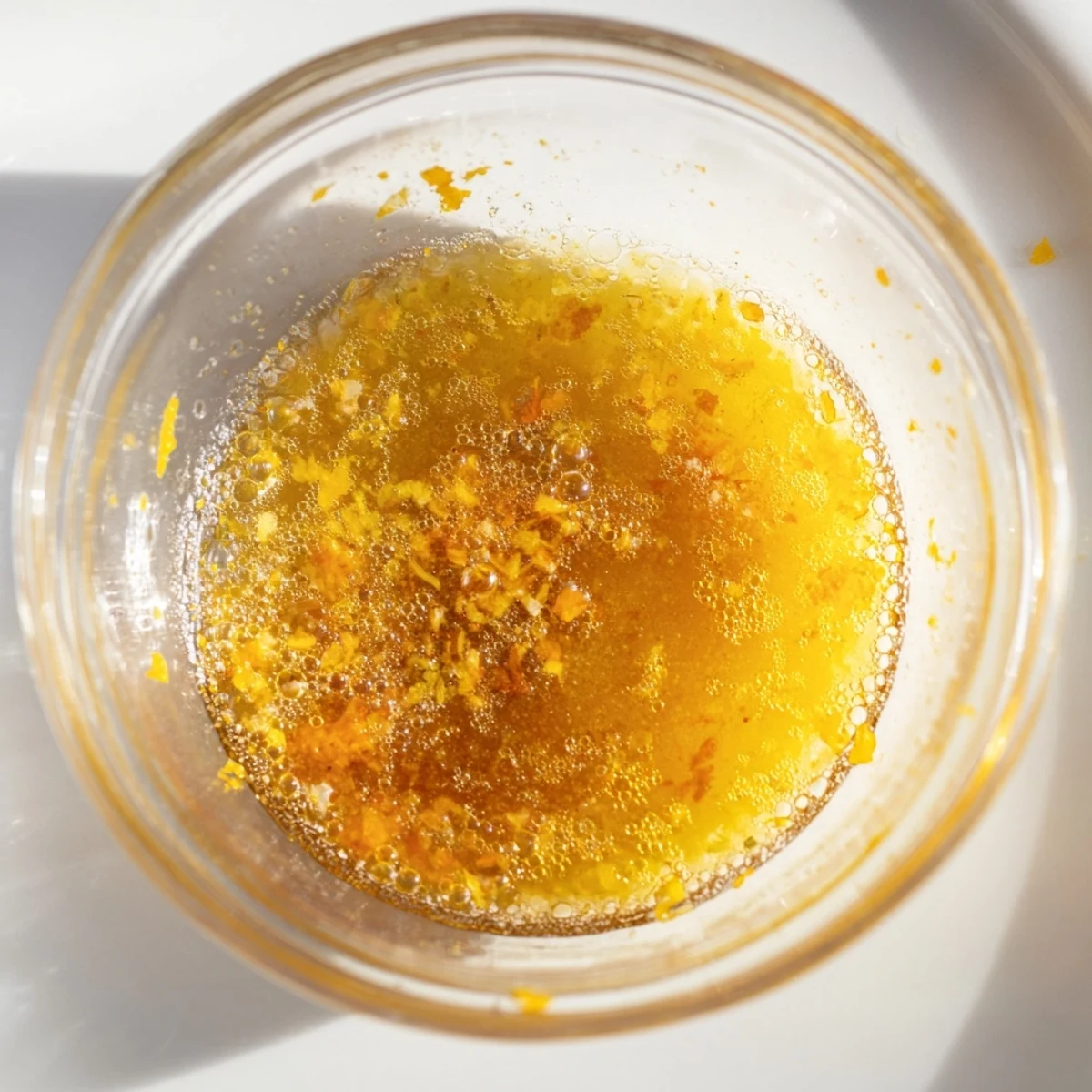
- In a medium bowl, combine the citrus juices, vinegar, honey or maple syrup, minced garlic, Dijon mustard, salt, pepper, and zest if using. Let this mixture sit for a minute while the garlic mellows slightly.
- Emulsify like a pro:
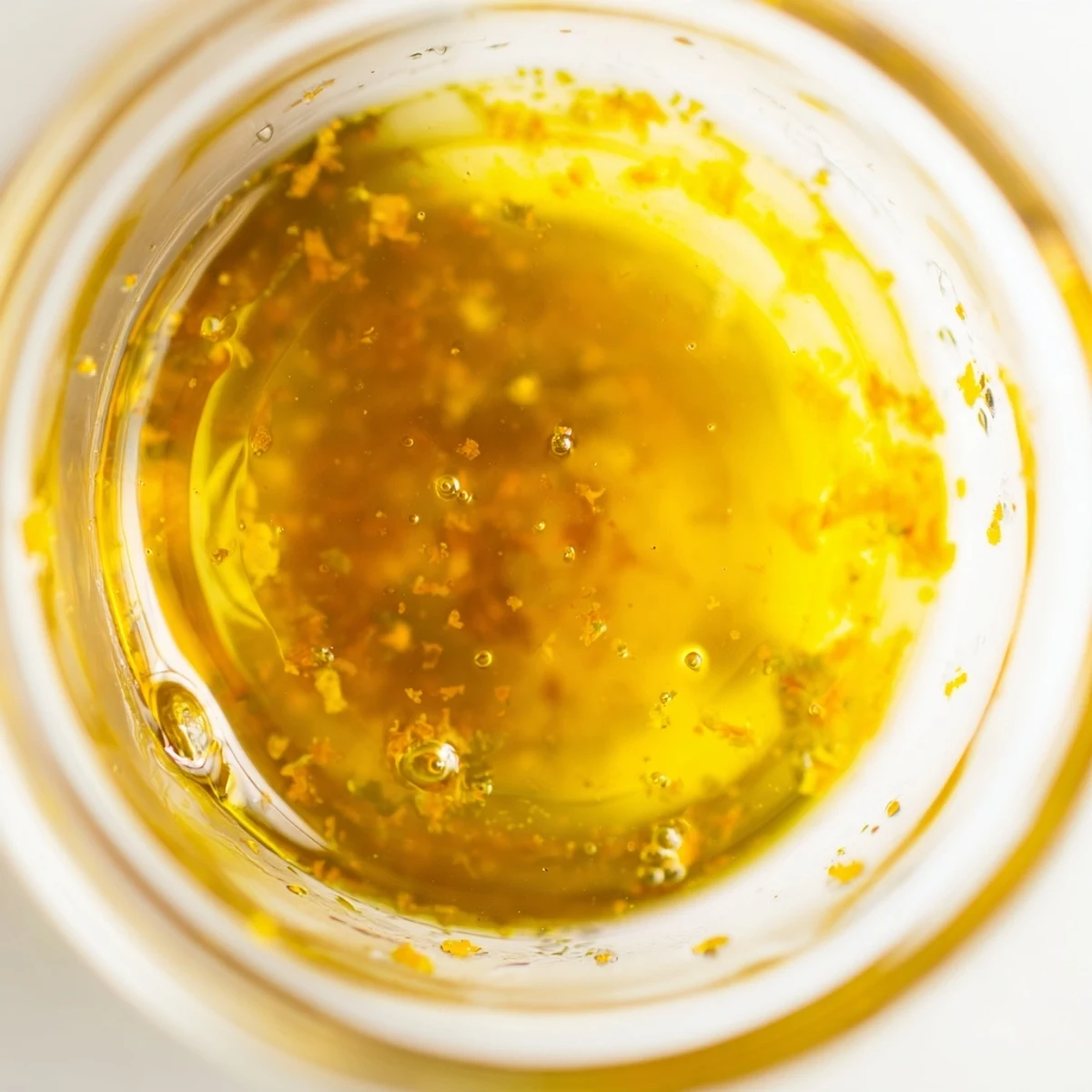
- Slowly drizzle the olive oil into the bowl while whisking continuously. You will feel the mixture thicken and become glossy as the oil incorporates into the acids. Keep whisking until no oil separates.
- Taste and adjust:
- Dip a lettuce leaf into the dressing and taste. Add more salt if it feels flat, more honey if it is too sharp, or more citrus if it needs brightness.
- Store and enjoy:
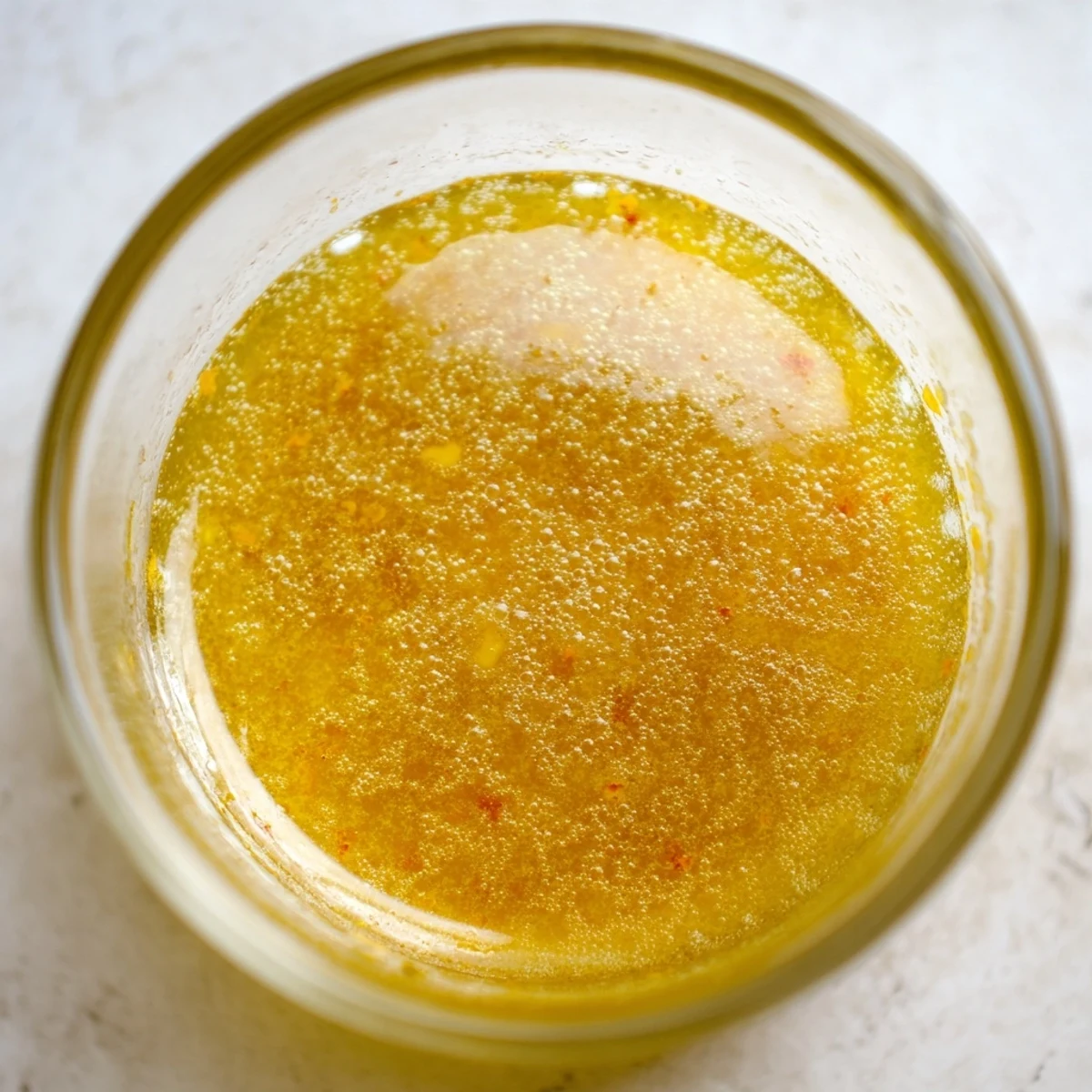
- Use immediately on your favorite salad, or transfer to a jar and refrigerate for up to a week. The oil may solidify slightly in the cold but will liquefy again at room temperature.
 Pin It
 This vinaigrette has become my go-to host gift. A simple mason jar with a handwritten label, maybe tied with a sprig of fresh rosemary or thyme from the garden. People act like I gave them something elaborate, but it takes ten minutes and costs almost nothing. Those are the best kinds of gifts.
Make It Your Own
Once you have the basic technique down, this recipe becomes a template. I have swapped in grapefruit or blood orange juice during winter months when they are at their sweetest. A teaspoon of fresh chopped herbs like tarragon or basil takes it in an entirely different direction. The framework stays solid while the character shifts.
Perfect Pairings
Beyond the obvious salad applications, this vinaigrette shines as a marinade for grilled shrimp or chicken. The citrus acidity tenderizes while the oil keeps everything moist. I have also brushed it on roasted vegetables during the last five minutes of cooking. The sugars caramelize slightly while the citrus brightens the whole dish.
Storage Wisdom
Store your vinaigrette in a glass jar with a tight-fitting lid in the refrigerator door. The temperature fluctuates there less than the back of the fridge, which helps maintain the emulsion. Always shake vigorously before pouring.
- Write the date on the jar so you remember when you made it
- Let it come to room temperature before drizzling for the best texture
- If it separates completely, just pour it into a bowl and whisk it back together
 Pin It
 There is something deeply satisfying about making your own dressing. It feels like a small act of kitchen sovereignty, a way to claim control over something most people buy without thinking. Plus, it just tastes better.
Recipe Questions & Answers
- → How long does homemade citrus vinaigrette last?
-
When stored in a sealed jar in the refrigerator, this vinaigrette stays fresh for up to one week. The olive oil may solidify when cold—simply let it sit at room temperature for a few minutes and shake well before using.
- → Can I make this vinaigrette vegan?
-
Absolutely. Replace the honey with an equal amount of pure maple syrup to keep this entirely plant-based while maintaining the perfect balance of sweet and tangy flavors.
- → What's the best way to emulsify this dressing?
-
Whisk the oil in slowly—drop by drop at first, then in a thin steady stream—while continuously whisking the other ingredients. This gradual incorporation creates a stable emulsion that won't separate quickly.
- → Can I adjust the citrus ratios?
-
Certainly. Feel free to emphasize your preferred citrus—more lemon for brightness, more orange for sweetness, or more lime for tang. Just maintain the total liquid volume for proper consistency.
- → What dishes pair well with citrus vinaigrette?
-
This bright dressing complements mixed green salads, grain bowls with quinoa or farro, grilled salmon or shrimp, roasted asparagus or Brussels sprouts, and even avocado toast for added zing.