
 Pin It
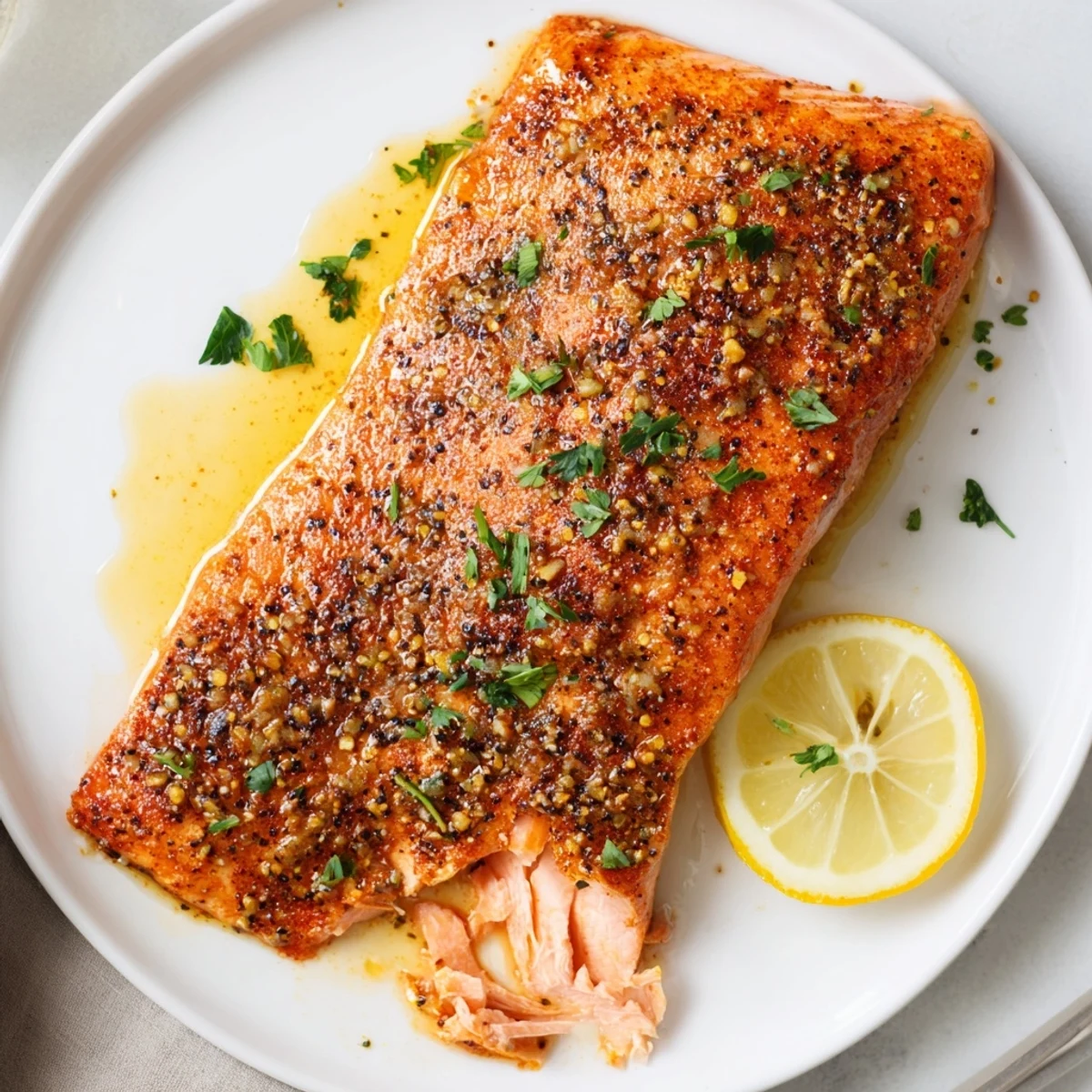
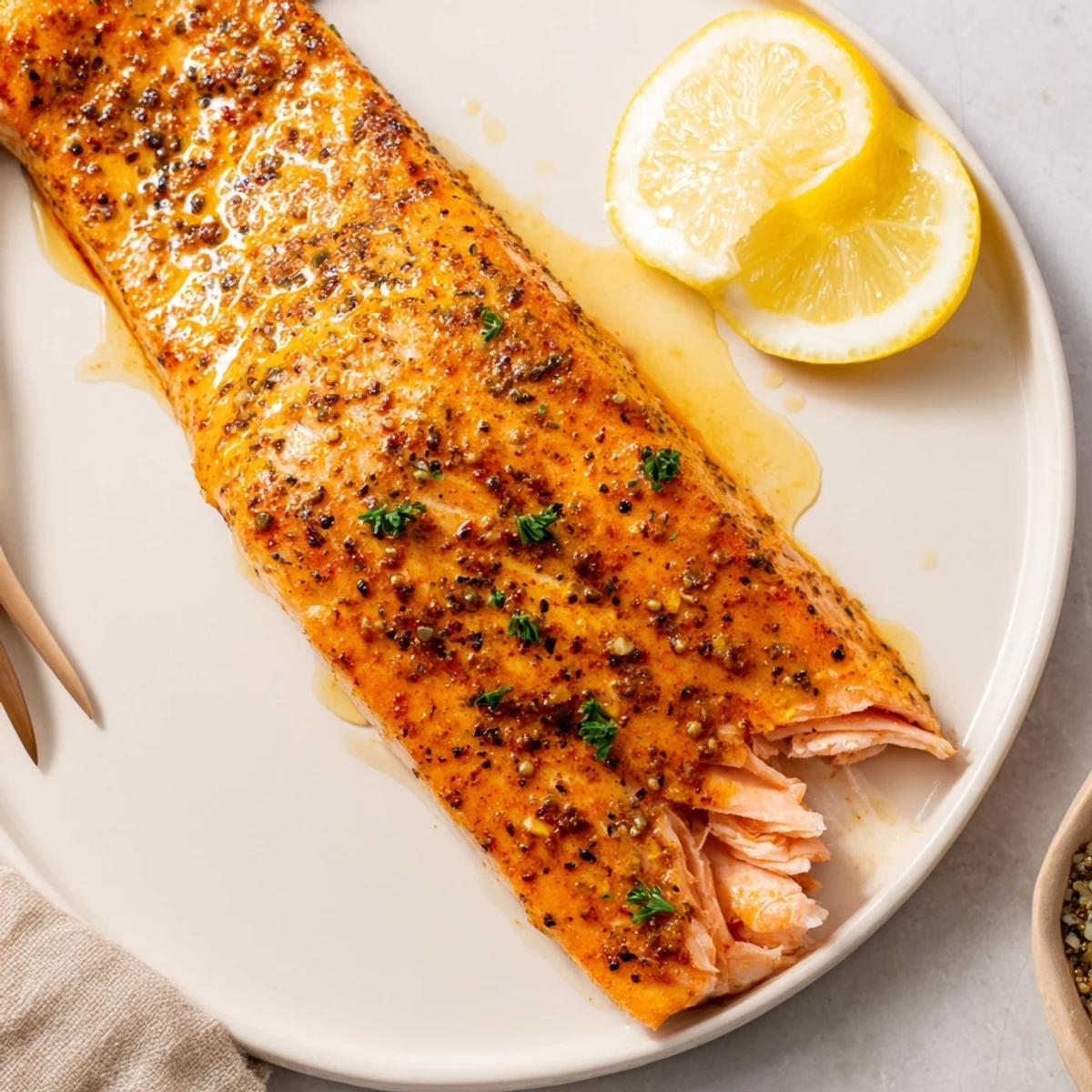
 Bold Cajun spices are rubbed into salmon fillets, then brushed with a honey-lemon butter glaze. After a short bake at 200°C (400°F) for about 10–12 minutes, finish under high heat for 1–2 minutes to caramelize the glaze and deepen flavor. The oil, spice, and glaze combo yields a sweet-spicy crust and tender, flaky interior. Adjust cayenne for heat, swap maple syrup if preferred, or cook on stovetop or grill. Garnish with parsley and lemon wedges.
The first time I cooked Cajun Honey Salmon, the aroma of smoked paprika and sizzling butter had neighbors pausing by the open window, lured by something unmistakably tempting. I didn't follow any script that day, just a craving for smoky heat and sticky sweetness harmonizing on one pan. The sizzle when honey hit the hot fish made my kitchen feel lively and ambitious for a Thursday night. Ever since, it's been my not-so-secret shortcut to an impressive, flavor-packed dinner.
There was a night I made this for friends who had never tried salmon except smoked or poached, and the playful banter paused as soon as forks hit plates. Watching their eyes widen at the first forkful—and their requests for the recipe—was honestly the highlight of my week. It made me realize just how powerful a good spice blend and a little honey can be at breaking dinner routines. Since then, it’s become my reliable way to shake up the menu and win over even the 'not sure about salmon' crowd.
Ingredients
- Salmon fillets: Fresh fillets are key for tender, flaky results; I always pat them dry so the spices stick well.
- Smoked paprika: This is the backbone of the smoky aroma—don’t skip it, and try to get the smoked kind for that extra depth.
- Garlic powder: Adds gentle warmth without overpowering; I learned to avoid garlic salt to keep the balance right.
- Onion powder: Subtle sweetness rounds out the flavor, and I use it for its ease and reliability.
- Dried thyme: Brings a little woodsy complexity, so sprinkle it evenly for the full effect.
- Dried oregano: Just half a teaspoon transforms the Cajun mix—crumble it between your fingers to release the oils.
- Cayenne pepper: Here’s the heat; if you’re sensitive, start small and adjust up as you get braver.
- Salt & black pepper: Both are essential for letting the flavors shine; season generously but thoughtfully.
- Honey: Local honey makes the glaze even more vibrant and sticky, and I warm it just a touch so it blends easily.
- Fresh lemon juice: The splash of citrus brings brightness and keeps things lively; don’t skip it.
- Unsalted butter: Melting butter into the glaze gives it a glossy, rich finish that clings beautifully to the salmon.
- Olive oil: Needed for brushing—keeps the fish moist and helps with that crispy exterior.
- Fresh parsley: If you have it, toss some over for freshness and color at the end (totally optional but so pretty).
- Lemon wedges: A final squeeze tableside is my favorite little ritual with every serving.
Instructions
- Get the oven ready:
- Preheat your oven to 200°C (400°F) and line a baking sheet with parchment paper or just give it a slick of oil—it helps with cleanup later.
- Mix up the Cajun spices:
- In a small bowl, stir together the smoked paprika, garlic powder, onion powder, thyme, oregano, cayenne, salt, and pepper. Smelling this step is half the fun—take a second to appreciate the aroma.
- Prep the salmon:
- Pat each fillet thoroughly dry, then brush both sides lightly with olive oil so the spice rub sticks. Massage the Cajun mix over every surface like you mean it.
- Arrange on the tray:
- Lay out the salmon fillets skin-side down, with enough space between them so they roast, not steam.
- Mix the honey glaze:
- Whisk together the honey, lemon juice, and melted butter—watch the honey swirl in, it's oddly mesmerizing.
- Glaze the salmon:
- Spoon or brush half of the glaze generously over the spiced fillets so they’re glossy and sticky.
- Bake to perfection:
- Transfer to the oven and bake 10-12 minutes—check that the salmon flakes easily when nudged with a fork.
- Finish and broil:
- Brush the rest of the glaze over the top, then broil 1-2 minutes until the edges caramelize (stay close, it happens fast).
- Garnish and serve:
- Scatter with parsley and add lemon wedges if you like it zesty just before serving.
 Pin It
 One summer evening, I served this salmon outdoors during a thunderstorm—the scent mingled with rain on warm pavement and somehow made everyone linger at the table long after the plates were empty. That night, the dish ended up being the reason no one reached for their phones, just eager for second helpings and more stories. There’s something special about turning an ordinary weeknight into an occasion with good food.
What To Serve Alongside
I often pair this salmon with fluffy jasmine rice or a bright green salad, letting their simplicity soak up the sweet and spicy glaze left on the plate. Toasted quinoa or roasted asparagus also bring a fresh crunch and a subtle nuttiness to each bite. You could spoon the glaze over crisp-tender veggies for an easy, stunning side that feels restaurant-worthy.
Bringing Out The Best In Your Salmon
The real secret is not to overcook the salmon—you want that juicy, flaky texture, never dry. When in doubt, I check with a fork at the thickest spot; if it just starts to flake, it's ready. If you’re using fillets with skin, roasting them skin-side down keeps them moist and makes peeling off the skin a breeze after baking.
Quick Fixes and Last-Minute Tricks
Forgot to buy honey? I’ve replaced it with maple syrup in a pinch and no one complained. If you want extra crisp on top without broiling, hit the fillets with a quick sear in a hot pan before finishing in the oven—I've saved dinner this way more than once. And if you’re pressed for time, you can even prep the spice mix ahead and keep it ready in your pantry.
- If the spice blend looks too clumpy, just loosen with a drop of oil.
- Squeeze extra lemon for brightness if the salmon tastes a little too sweet.
- Letting the salmon rest a minute or two after broiling makes it easier to serve and even yummier.
 Pin It
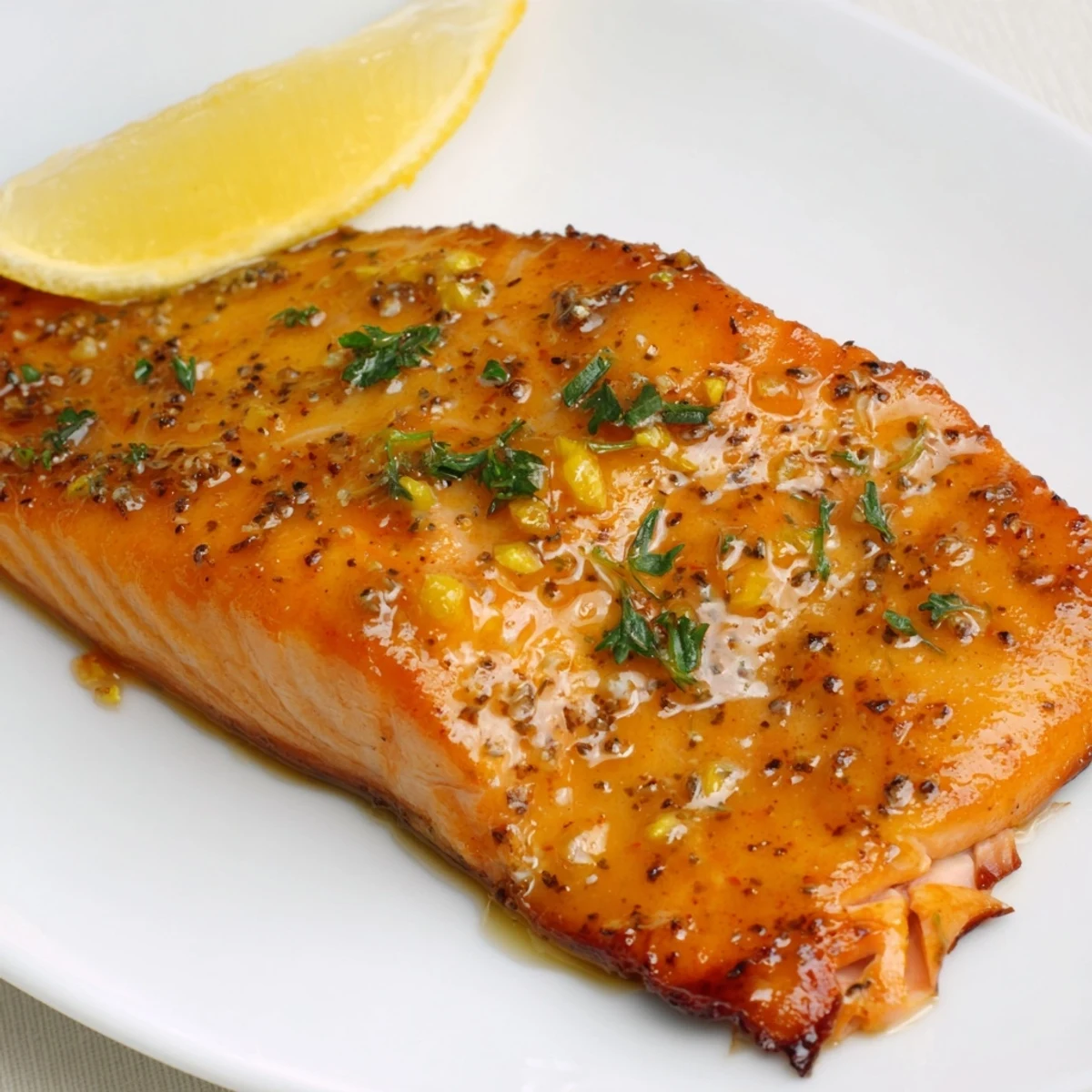
 This Cajun Honey Salmon brings so much life to quick dinners and cozy gatherings alike. May every forkful inspire a new story at your table.
Recipe Questions & Answers
- → Can I use frozen salmon?
-
Thaw fully and pat dry before seasoning to ensure the spice rub adheres and the fillets cook evenly. Slightly longer bake time may be needed for thicker pieces.
- → Should I leave the skin on or remove it?
-
Keeping the skin on helps hold the fillet together and crisps under the broiler; cook skin-side down for the oven method and remove if you prefer a crisped finish.
- → How do I prevent the salmon from drying out?
-
Brush with oil before seasoning and spoon half the glaze on before baking. Bake just until it flakes easily (10–12 minutes) and finish quickly under high heat to avoid overcooking.
- → Any alternatives to butter or honey?
-
Use a plant-based butter for dairy-free needs and swap maple syrup for honey for a deeper, smoky sweetness that also caramelizes well.
- → Can I cook this on the stove or grill?
-
Yes. Sear skin-side down in a hot skillet or grill over medium-high heat, then finish with the glaze and a brief direct heat to caramelize, adjusting times based on thickness.
- → How can I tell when the salmon is done?
-
Salmon is done when it flakes easily with a fork and the center is just opaque. Aim for 50–55°C (122–131°F) if using a thermometer for tender, moist results.