
 Pin It
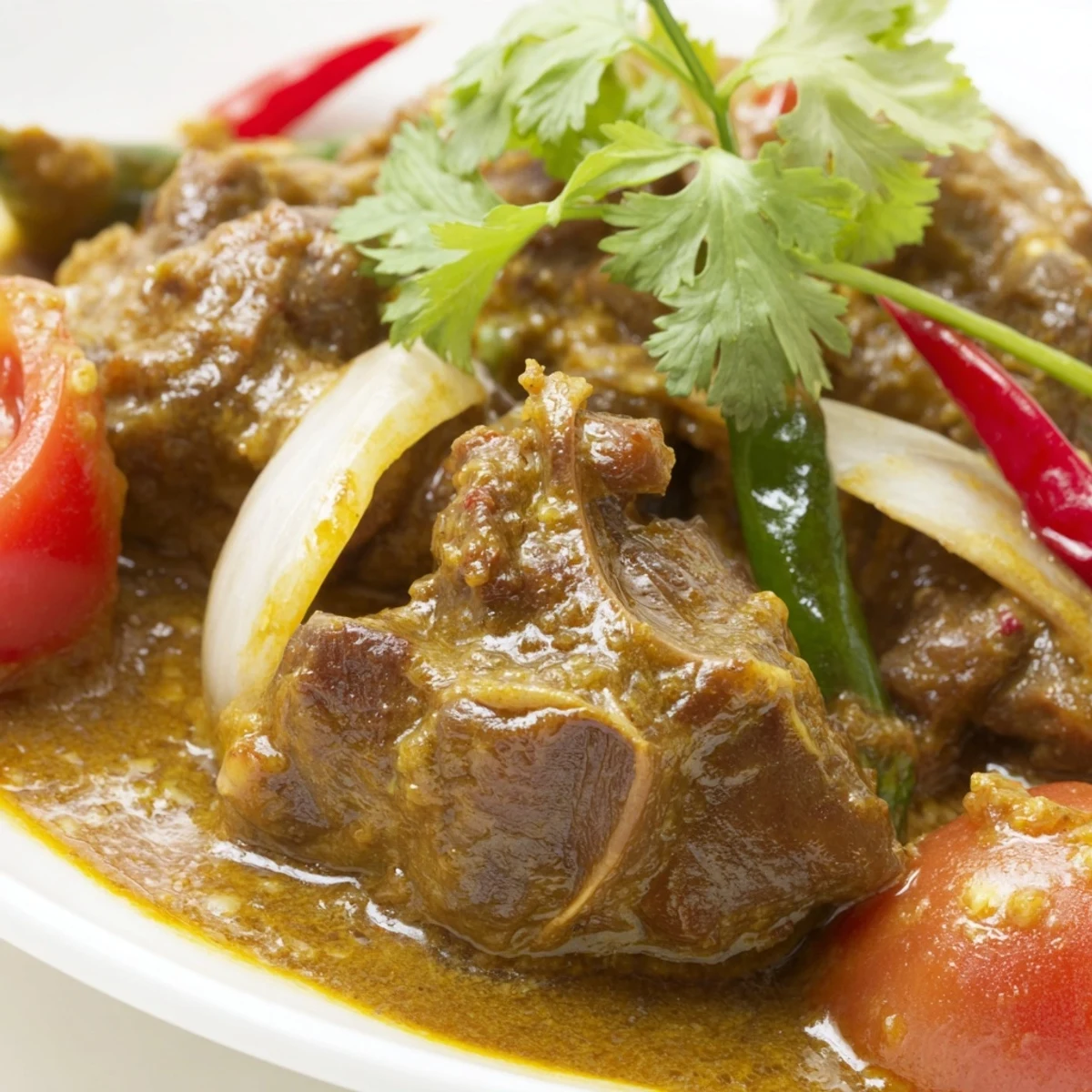
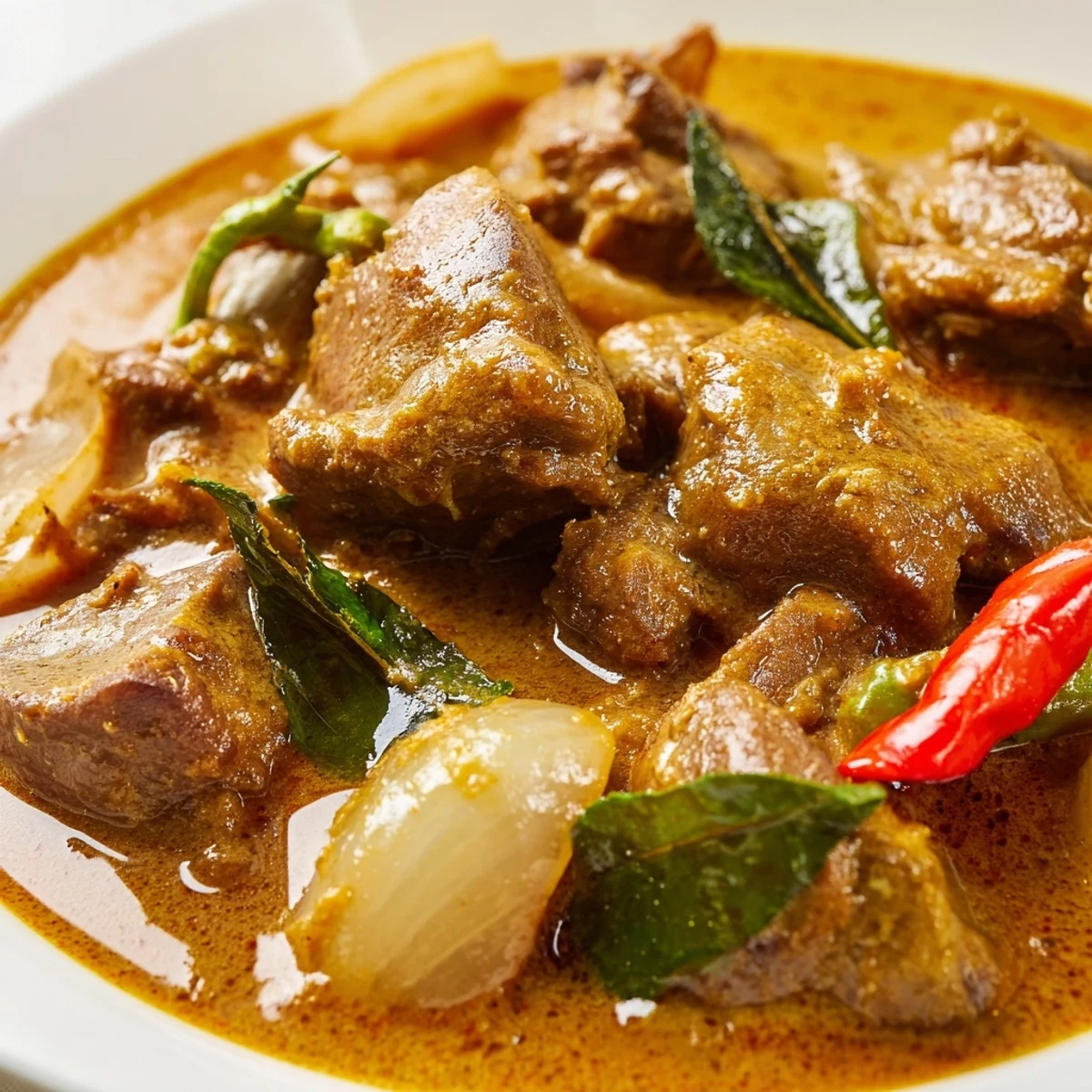
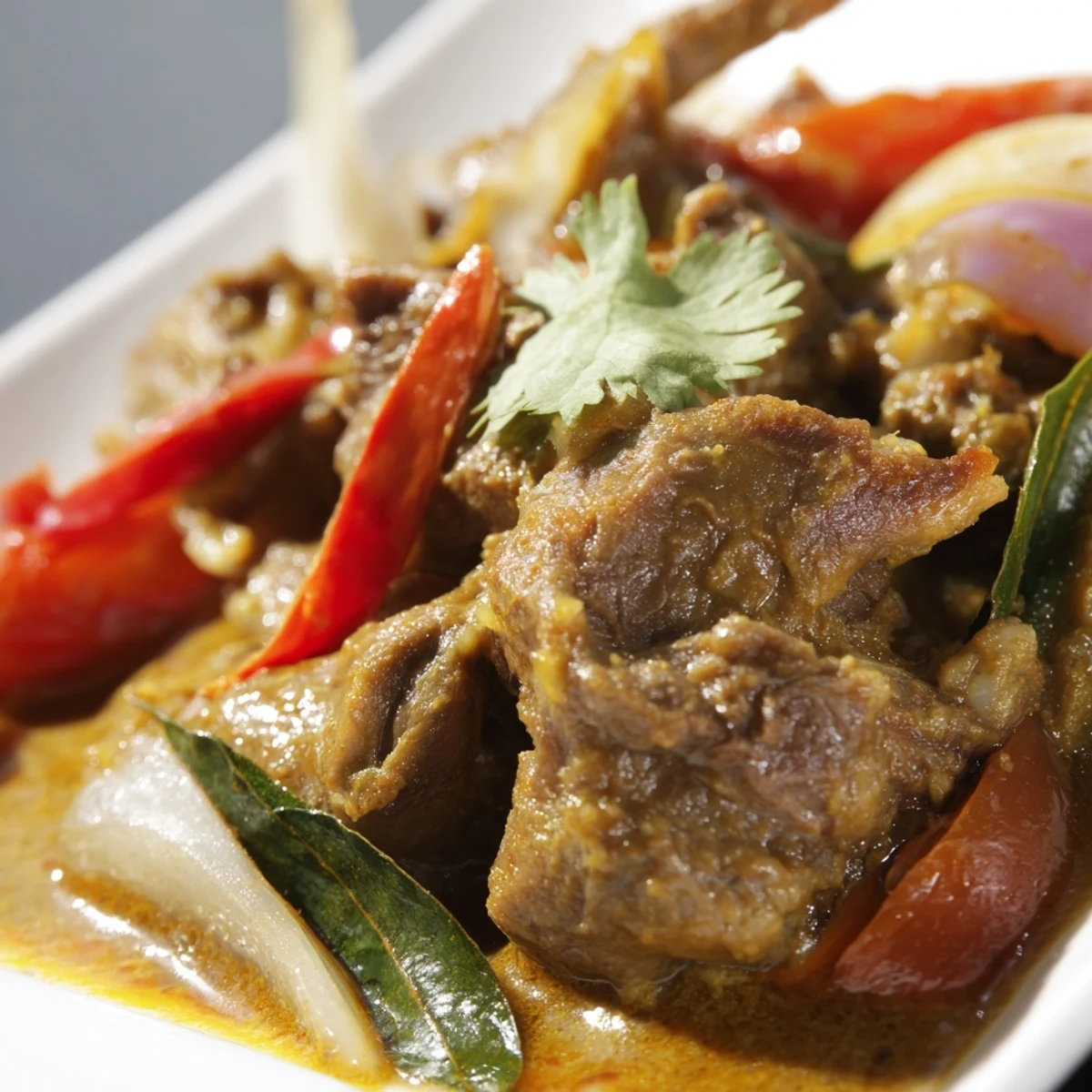
 Succulent lamb shanks braised for over two hours in a velvety coconut milk base infused with roasted curry powder, cinnamon, cloves, and fresh curry leaves. The slow simmering process allows the meat to become fork-tender while absorbing layers of aromatic spice flavors. Tamarind adds a subtle tang that balances the richness, while green chilies provide gentle warmth. This hearty curry develops a thick, luscious sauce as it cooks, perfect for mopping up with steamed rice or warm roti.
The first time I encountered Sri Lankan lamb curry was at a tiny family-run restaurant in Colombo, where the proprietors mother hovered over my table insisting I try her grandmothers recipe. The shank was so tender it fell away from the bone at the slightest touch, and that sauce somehow managed to be creamy, tangy, and deeply spiced all at once. I spent the next three years experimenting with spice ratios and coconut milk brands until my kitchen finally smelled like hers.
Last winter during a brutal cold snap, I made a massive batch for friends who had just moved into a drafty apartment. We huddled around the steaming pot with cheap wine and even cheaper paper plates, and nobody spoke for twenty minutes because we were too busy inhaling the curry. One friend actually licked her bowl clean and asked if it was inappropriate to do so in company.
Ingredients
- 4 lamb shanks: These humble cuts transform into something extraordinary with slow cooking, becoming fall-apart tender while contributing incredible depth to the sauce
- 2 large onions: Slice them thin and patientely cook them down until they are deeply golden and sweet, providing the foundation for the entire dish
- 4 cloves garlic and thumb-sized ginger: Grate the ginger fresh if you can, that way you get all the juice and none of those fibrous bits
- 2 green chilies: Keep the seeds in if you like it hot, remove them if you prefer a gentle warmth
- 2 sprigs curry leaves: These are worth hunting down at an Asian grocery, they add this citrusy, almost medicinal note that makes the curry taste authentic
- 2 tbsp Sri Lankan curry powder: If you cannot find the Sri Lankan variety, Madras curry powder makes a decent substitute
- 1 tsp ground coriander, cumin, and turmeric: These three form the holy trinity of curry spices, blooming together when cooked in hot oil
- 1/2 tsp cinnamon and 1/4 tsp cloves: Just enough warm baking spices to give the curry that distinctive Sri Lankan character
- 1 tsp mustard and fenugreek seeds: These will pop and sizzle when they hit the hot oil, releasing their nutty, slightly bitter flavors
- 400 ml full-fat coconut milk: Do not skimp here, the fat content is what makes the sauce luxurious and helps the flavors marry
- 250 ml lamb or beef stock: Homemade stock is ideal, but a good quality store-bought one works perfectly fine
- 1 tbsp tamarind paste: This is the secret ingredient that cuts through the richness and adds that addictive tangy finish
Instructions
- Temper your spices:
- Heat the vegetable oil in your largest heavy pot over medium-high heat, then add the mustard and fenugreek seeds and listen for them to start popping, about 30 seconds.
- Build your flavor base:
- Throw in the onions, garlic, ginger, chilies, and curry leaves, then sauté for 5 to 7 minutes until the onions are turning golden and your kitchen starts smelling amazing.
- Bloom the spices:
- Stir in all your ground spices and curry powder, cooking for just 1 minute until fragrant but not burned.
- Seal in the flavor:
- Add the lamb shanks and brown them on all sides for about 8 minutes, getting some nice color on the meat.
- Add tomatoes:
- Toss in the chopped tomatoes and cook for 3 minutes until they start breaking down.
- Create the sauce:
- Pour in the coconut milk, stock, tamarind paste, salt, and pepper, stirring well to combine everything.
- Low and slow:
- Bring to a boil then reduce heat to low, cover, and simmer gently for 2 to 2.5 hours, turning the shanks occasionally.
- Finish and serve:
- Check seasoning and adjust as needed, then garnish with fresh coriander and serve hot with steamed rice or roti.
 Pin It
 This curry has become my go-to for dinner parties because it is one of those dishes that tastes even better the next day, making it perfect for preparing ahead. I have found that people who claim they do not like spicy food end up going back for thirds, and the shank presentation looks impressively rustic on the platter.
Making It Your Own
Once you have made this curry a few times, you will start developing instincts for how you like it. Some days I dial up the chili when I am craving heat, other times I add extra ginger for more zing. The beauty of a recipe like this is that it rewards experimentation while still being delicious even when you are not completely precise.
Serving Suggestions
Steamed basmati rice is the classic choice, but I have also served this over roasted cauliflower rice for a low-carb version that works surprisingly well. Fresh naan bread for scooping up that sauce is non-negotiable in my house, and a simple cucumber raita on the side helps cool things down.
Leftovers and Storage
This curry actually improves after a night in the refrigerator, as the flavors have more time to meld and develop. I often make a double batch specifically to ensure I have leftovers for lunch the next day. The sauce also freezes beautifully for up to three months if you want to get ahead on meal prep.
- Portion leftovers into containers before freezing for easier reheating
- Reheat gently over low heat to prevent the coconut milk from separating
- Consider making extra sauce to freeze on its own as a quick starter for future meals
 Pin It
 There is something deeply satisfying about a dish that requires such little active effort but rewards you with such complex, layered flavors. This curry has earned its permanent place in my regular rotation, and I suspect it will find its way into yours too.
Recipe Questions & Answers
- → How long does it take to cook lamb shanks until tender?
-
Lamb shanks require approximately 2 to 2.5 hours of gentle simmering to become fork-tender. The slow cooking process breaks down the connective tissue, resulting in meat that easily falls off the bone.
- → Can I make this curry in a slow cooker?
-
Yes, brown the shanks and prepare the spice base on the stovetop first, then transfer everything to a slow cooker. Cook on low for 6-8 hours or on high for 4-5 hours until the meat is tender.
- → What can I use instead of tamarind paste?
-
Lime juice makes a good substitute for tamarind, providing similar acidity. Use 1-2 tablespoons of fresh lime juice in place of the tamarind paste, adjusting to taste.
- → How spicy is this Sri Lankan curry?
-
The heat level is medium, coming from green chilies and optional chili powder. You can easily adjust the spice by reducing or omitting the chilies and chili powder according to your preference.
- → Can I use a different cut of lamb?
-
Beef short ribs work well as an alternative, requiring similar cooking time. You can also use lamb shoulder or leg pieces, though they may cook slightly faster than shanks.
- → What sides pair best with this curry?
-
Steamed basmati rice, coconut rice, or warm roti are traditional accompaniments. Coconut sambal, pickled onions, or fresh cucumber raita add refreshing contrast to the rich, spicy flavors.