
 Pin It
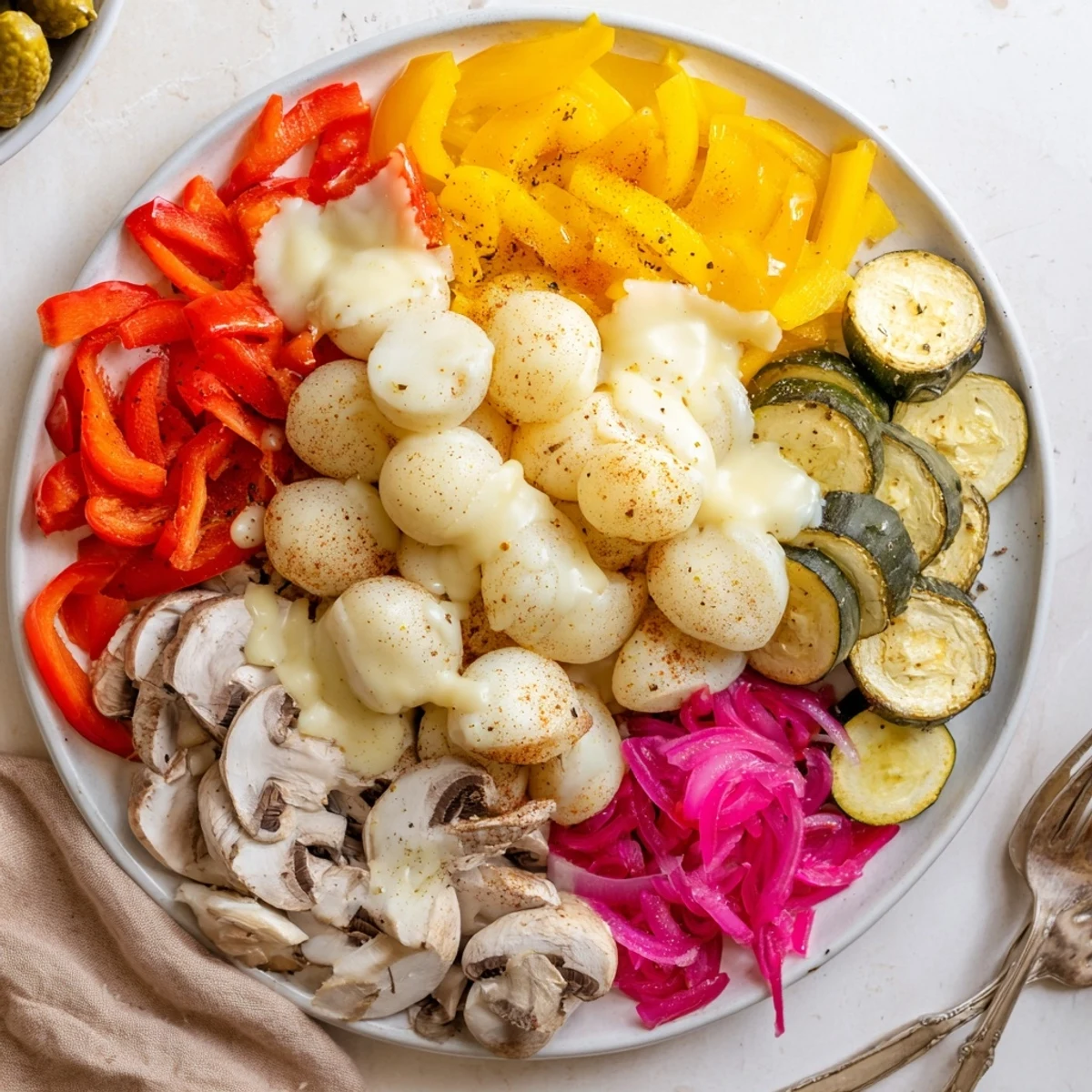
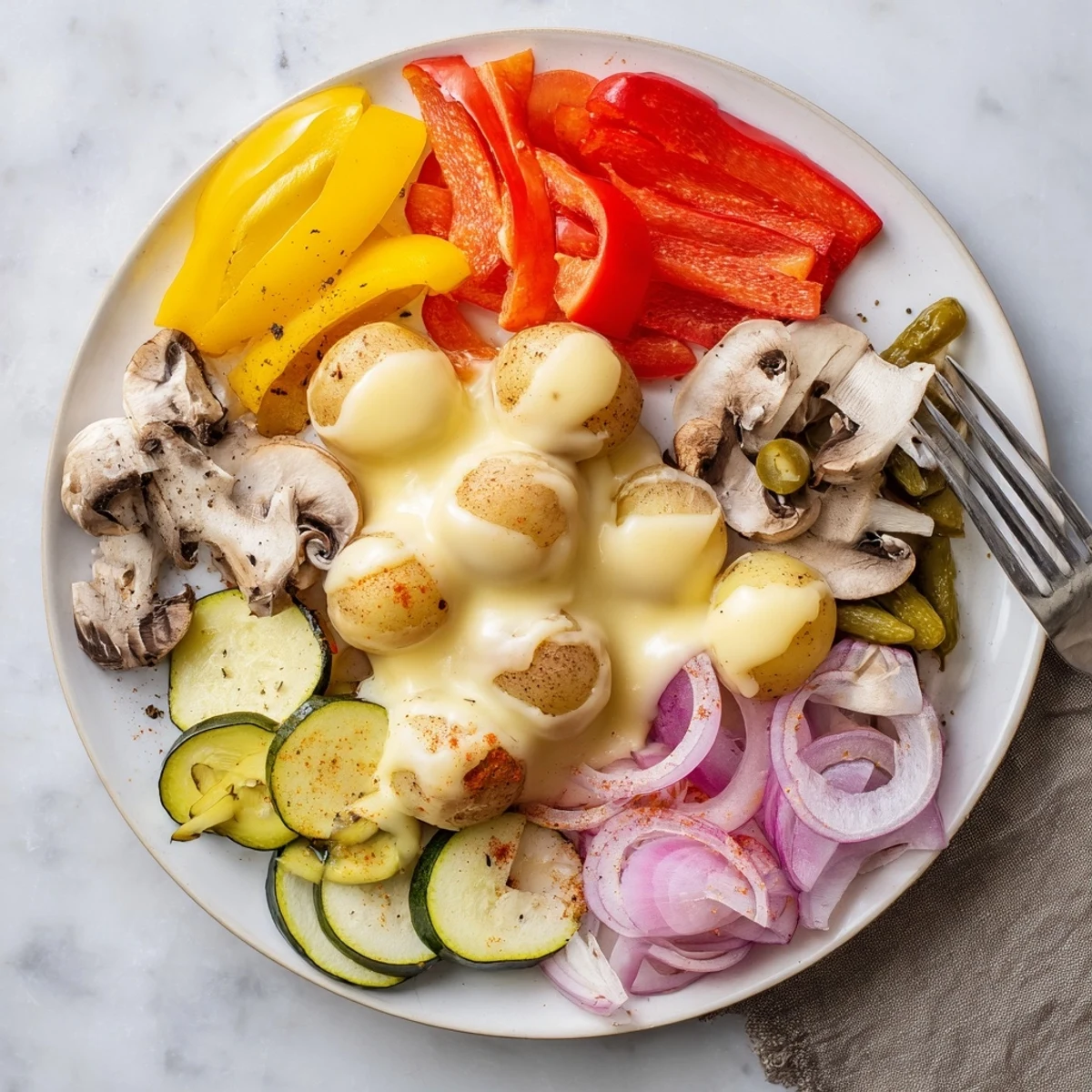
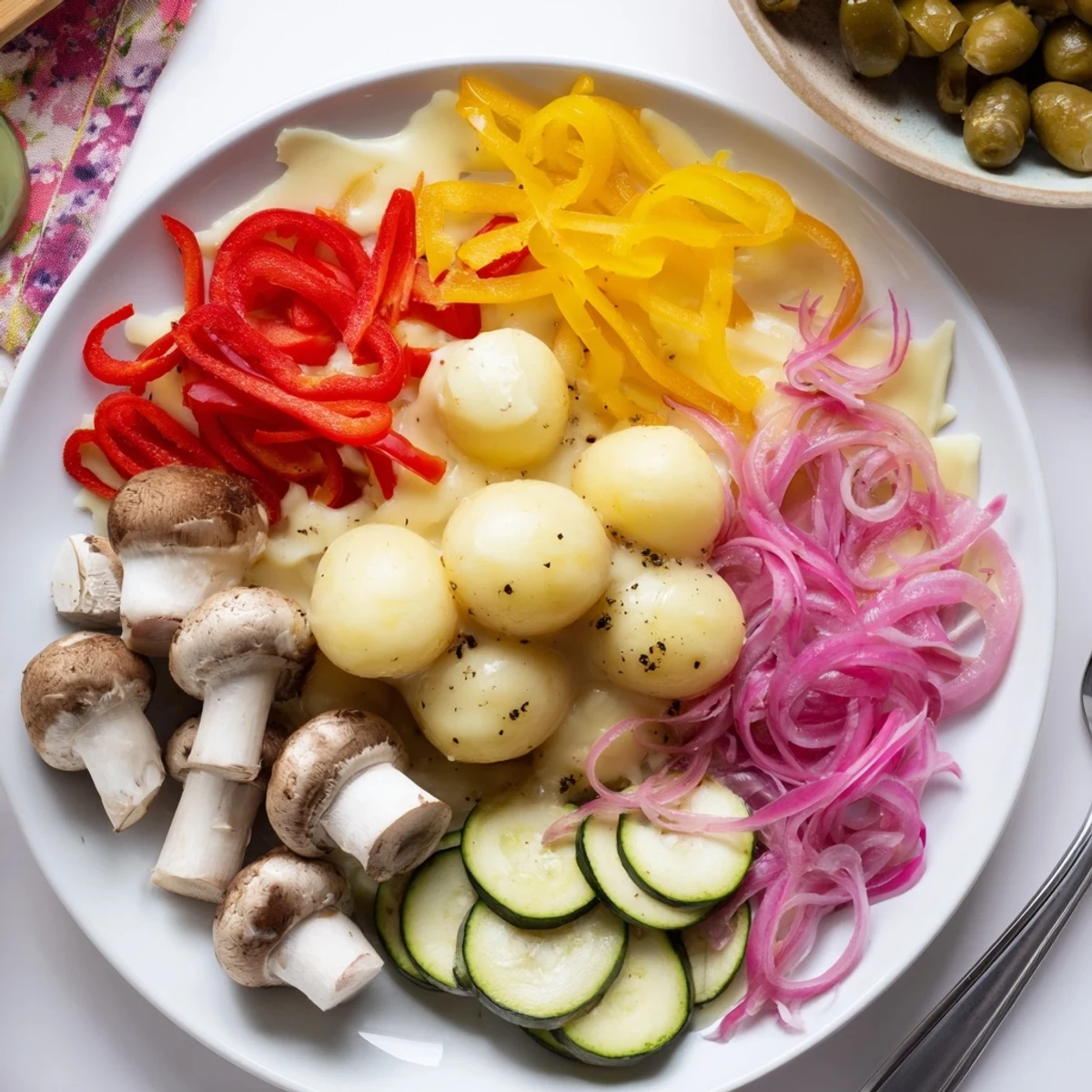
 Gather friends around the table for this beloved Swiss tradition where melted cheese takes center stage. Raclette creates an unforgettable dining experience as guests melt their own cheese slices and customize each bite with warm boiled potatoes, colorful bell peppers, zucchini, mushrooms, and pickled vegetables. The tabletop grill becomes the heart of your gathering, bringing everyone together for a convivial meal that stretches naturally over conversation and laughter. Each person controls their own melting tray, creating perfect combinations of bubbling hot cheese drizzled over their chosen accompaniments. Season simply with freshly cracked black pepper, paprika, and fresh herbs to let the rich, nutty flavors shine through. Whether hosting a casual dinner party or celebrating a special occasion, raclette transforms ordinary meals into warm, memorable events.
The snow had been falling for hours when my friends arrived, cheeks flushed and coats dusted with white. I had been skeptical about this whole raclette setup—a tabletop grill in the middle of my dining room seemed like dinner theater—but watching everyone lean in as their cheese started to bubble, I understood why Swiss families have been doing this for centuries. There is something profoundly communal about melting cheese together, the way conversation naturally flows between checking pans and reaching for potatoes.
Last winter, I hosted what was supposed to be a quick dinner that stretched past midnight. Someone discovered that roasted mushrooms under the cheese were life changing, then someone else tried folding the melted cheese around cornichons, and suddenly we were all scientists conducting delicious experiments. The best raclette nights always involve those happy accidents—the combinations you did not plan but end up craving for weeks afterward.
Ingredients
- Raclette cheese: This semi firm cow is milk cheese is specifically made for melting, developing a creamy nutty flavor that bubbles without separating into oil
- Small waxy potatoes: Choose varieties that hold their shape well, like fingerlings or new potatoes, and do not forget to scrub them thoroughly since the skins are part of the experience
- Bell peppers and zucchini: Slice these thinly so they soften properly under the grill, creating sweet tender contrasts to the rich cheese
- Mushrooms: Button mushrooms work beautifully here, developing an earthy depth that stands up beautifully to the assertive cheese
- Pickles and cornichons: These acidic elements are not optional, they cut through the richness of melted cheese and cleanse your palate between bites
- Charcuterie: Prosciutto and salami add salty savory notes but keep them paper thin so they warm through without becoming tough
Instructions
- Get your potatoes ready first:
- Scrub those little potatoes clean and boil them in salted water for about 15 to 20 minutes until they are tender all the way through. Drain them well and keep them warm because there is nothing sadder than cold potatoes under hot melted cheese.
- Set up your station like a pro:
- Arrange everything on platters where everyone can reach—potatoes in one bowl, sliced vegetables and mushrooms on another, pickles and charcuterie within easy grabbing distance. This is the moment when having everything prepped and pretty pays off.
- Fire up the raclette grill:
- Follow your machine is instructions but give it a good 10 minutes to get properly hot, and make sure everyone has their own little pan and knows which one is theirs.
- Start melting:
- Each guest builds their own creation—vegetables or meat first, then that beautiful slice of cheese on top—then slides their pan under the heating element. Watch for the edges to bubble and turn golden brown, usually about 5 to 8 minutes.
- The moment of truth:
- Spoon that bubbling cheese over your warm potatoes, add whatever seasonings call to you, and take that first bite while it is still impossibly hot and gooey.
- Keep the rounds going:
- Nobody eats just one round of raclette, so keep the plates coming and try new combinations until everyone is happily stuffed and leaning back in their chairs.
 Pin It
 I will never forget watching my usually reserved neighbor discover raclette for the first time. She started tentatively, melting just cheese over a single potato, but by round three she was building elaborate constructions with peppers, mushrooms, and prosciutto, laughing as she explained her philosophy of cheese to meat ratios. Some meals nourish your body, but raclette dinners somehow feed something deeper—the part of us that craves connection and warmth and the simple pleasure of feeding each other.
Cheese Alternatives That Actually Work
Real raclette cheese can be tricky to find depending on where you live, but I have had success combining Gruyère with a bit of Emmental for that perfect melt. The key is finding cheeses that melt smoothly without becoming too oily or separating into a pool of fat and solids.
Wine Pairing Secrets
A crisp acidic white wine is your best friend here, ideally something Swiss like Fendant if you can find it. The wine is brightness cuts through all that rich cheese while the acidity keeps your palate refreshed for round after round of melting.
Building The Ultimate Raclette Plate
The magic happens when you start thinking about textures and temperatures in each bite. A cold pickle next to hot melted cheese, a crisp pepper alongside soft potato, a salty piece of prosciutto balancing the mild potatoes—these contrasts are what make raclette endlessly interesting.
- Try roasting your vegetables ahead of time for deeper flavor
- Keep some crusty bread nearby for when you run out of potatoes
- Do not forget fresh herbs at the end for brightness
 Pin It
 There is something about gathering around a communal grill that strips away the formality of dinner parties and leaves just the good parts—warm food, good company, and the kind of laughter that comes easily when everyone is slightly full and very happy.
Recipe Questions & Answers
- → What makes raclette different from other cheese dishes?
-
Raclette's unique appeal lies in its interactive nature. Unlike fondue where everyone dips from one pot, each guest melts their own cheese slice in individual trays under a tabletop grill. This creates a personalized experience where diners control their portions and customize each bite with their preferred accompaniments.
- → Can I make raclette without a traditional grill?
-
While a raclette grill provides the authentic experience, you can adapt by melting cheese slices in a small skillet under your oven broiler or using a kitchen torch. Alternatively, arrange cheese-topped vegetables on a baking sheet and broil until melted and golden.
- → What vegetables work best for raclette?
-
Choose vegetables that can withstand heat and complement rich cheese. Bell peppers, zucchini, mushrooms, and onions are traditional choices. The key is slicing them thinly enough to heat through quickly while maintaining texture. Avoid watery vegetables that might make the cheese oily.
- → How do I keep potatoes warm throughout the meal?
-
Boil potatoes just before serving and drain well. Keep them warm in a covered dish or wrapped in a clean kitchen towel. The residual heat usually maintains temperature throughout the meal since raclette is meant to be enjoyed slowly over time.
- → What wine pairs best with raclette?
-
Traditional Swiss raclette pairs beautifully with dry white wines like Fendant (Chasselas) from Switzerland. Alternative options include Sauvignon Blanc, Pinot Gris, or Riesling. The wine's acidity cuts through the rich cheese while complementing its nutty flavors. Hot tea also makes a traditional non-alcoholic pairing.
- → Is raclette suitable for vegetarians?
-
Raclette can easily accommodate vegetarians by simply omitting the charcuterie and focusing on the extensive vegetable selection, potatoes, pickles, and melted cheese. Ensure your cheese uses vegetarian-friendly rennet. The protein from cheese provides satisfying substance without meat.