
 Pin It
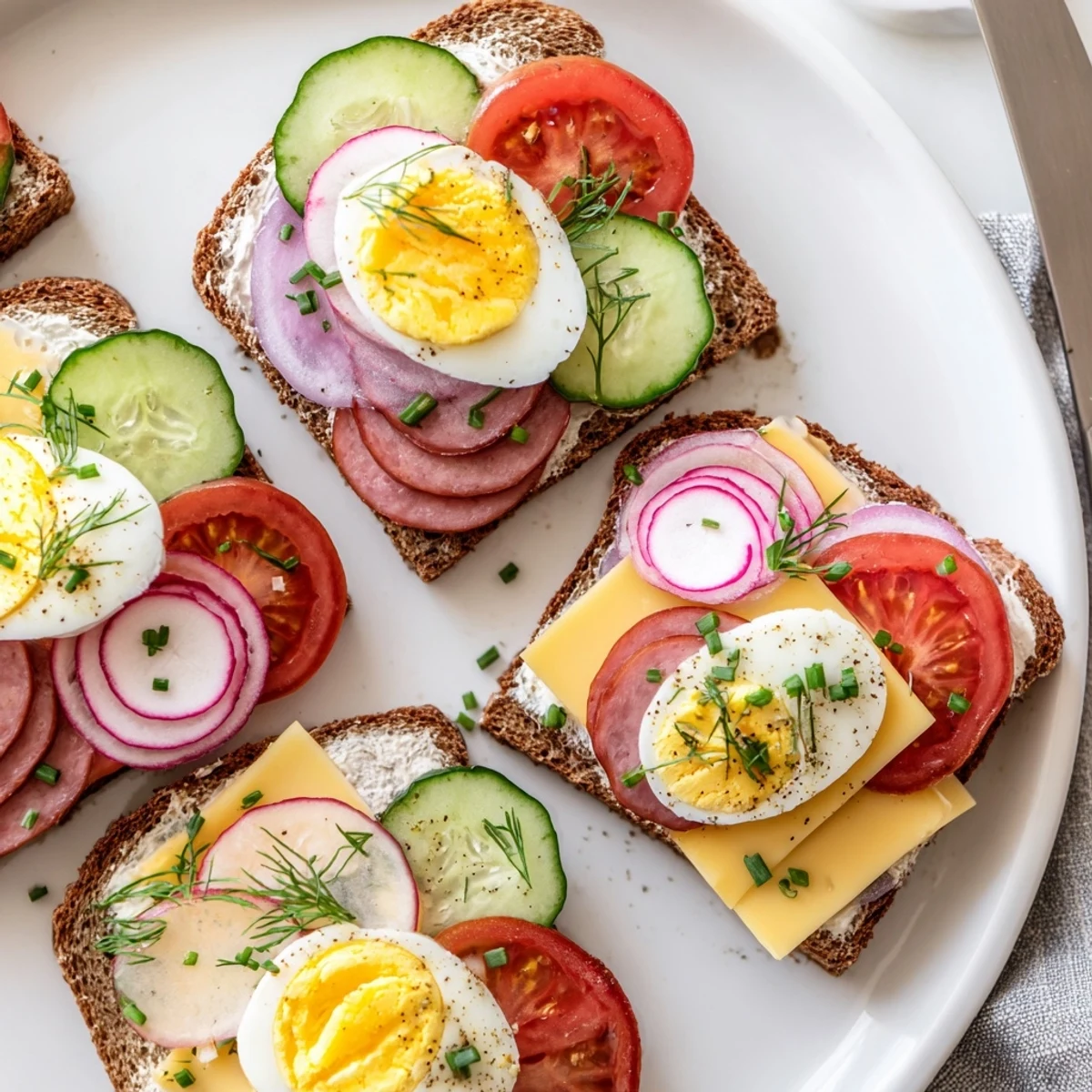
 Open-faced Polish sandwiches, known as kanapki, are a beloved staple of Polish cuisine typically served at breakfast, lunch, or gatherings. They feature slices of sturdy rye bread or baguette spread with butter and generously topped with a variety of ingredients.
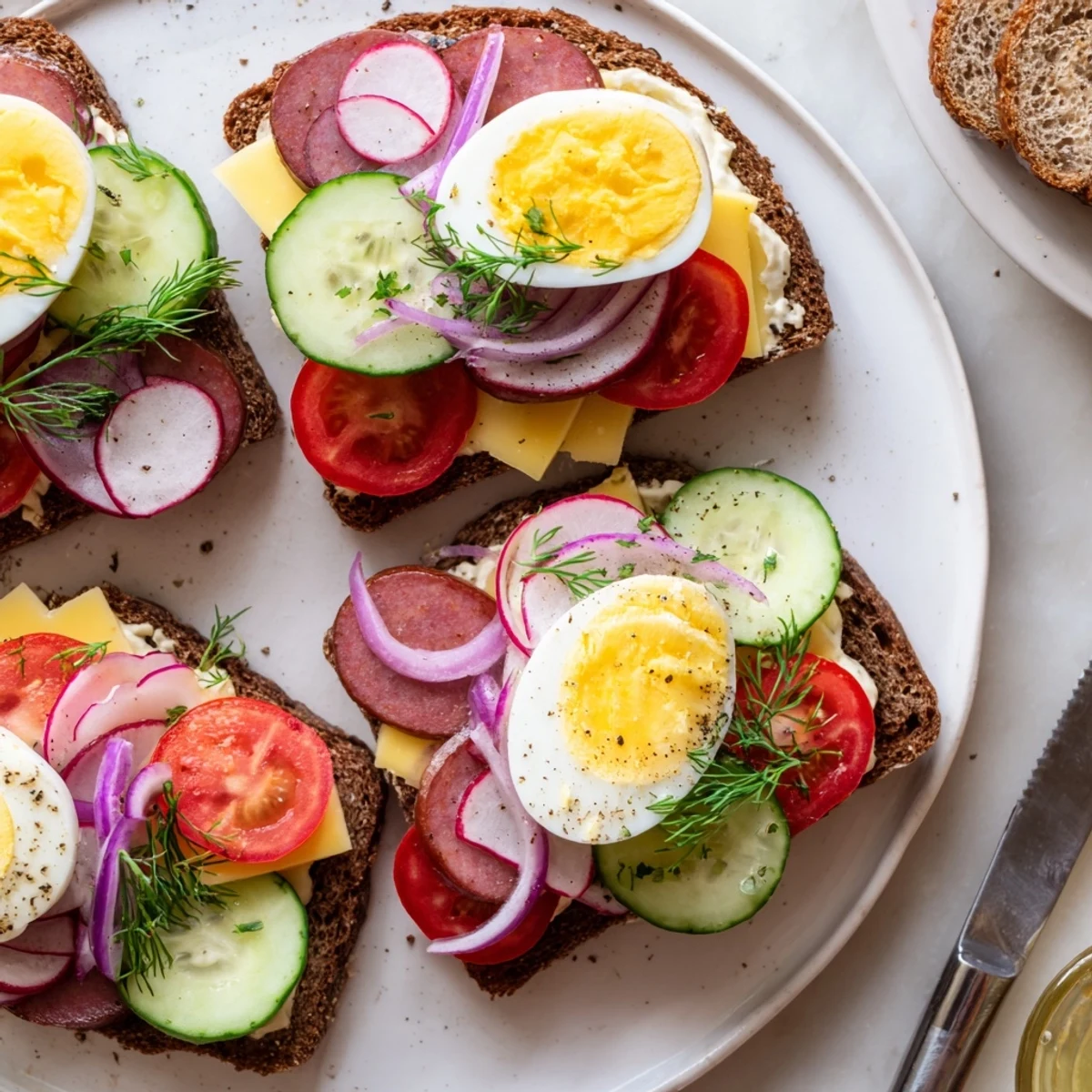
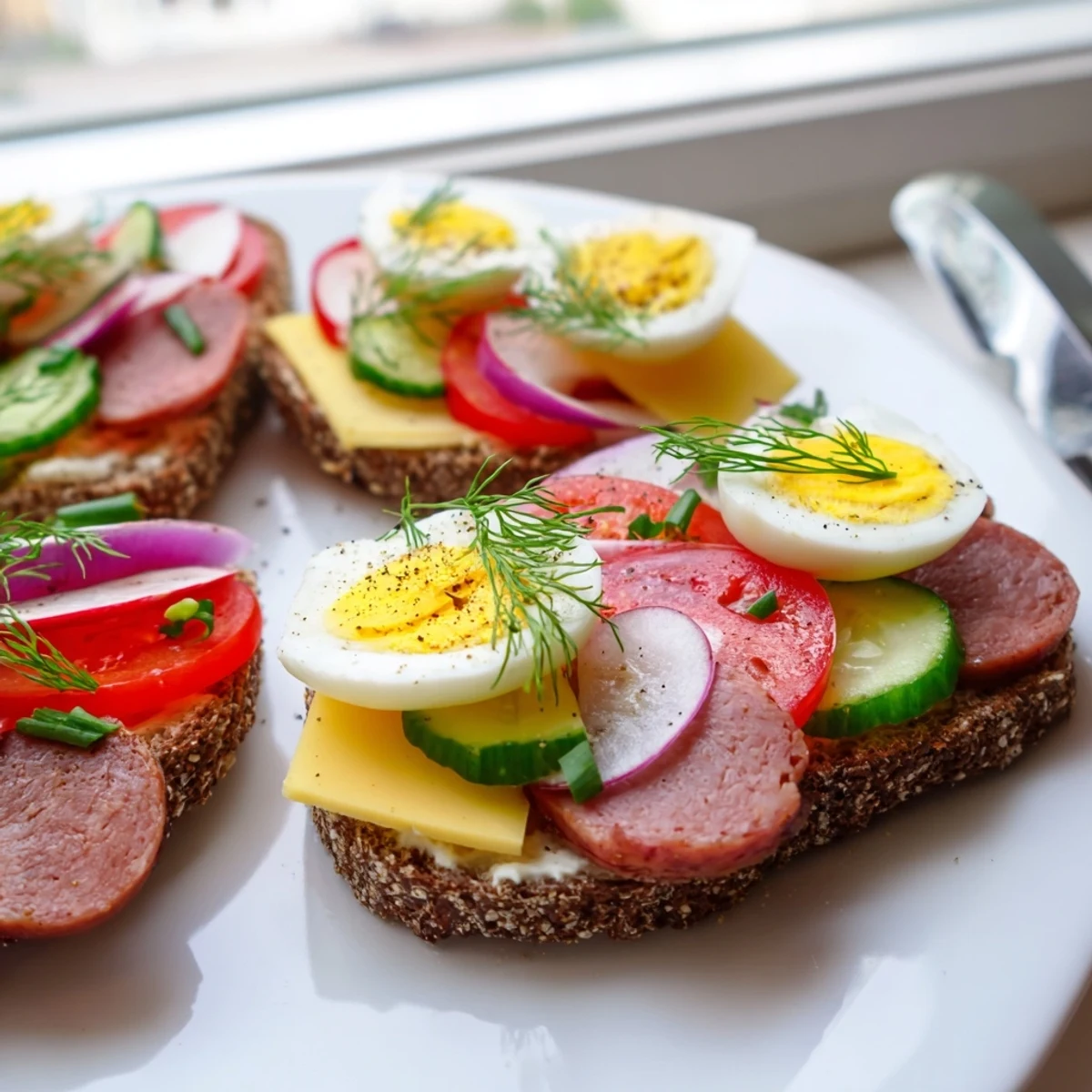
Each sandwich can be customized with proteins like kielbasa, smoked ham, or sliced boiled egg, paired with yellow cheese such as Edam or Gouda. Fresh vegetables including tomato, cucumber, radish, and red onion add crunch and vibrant color, finished with a sprinkle of chives or dill.
With zero cooking time and roughly 15 minutes of assembly, these sandwiches are an effortless yet impressive appetizer that feeds a crowd beautifully.
My grandmother never called them sandwiches. She called them kanapki, and she arranged them on a blue ceramic plate like tiny edible paintings, each one different from the next. Saturday mornings in her kitchen smelled of rye bread and cold butter being spread too thick. I learned more about generosity from watching her build eight perfect open faced creations for guests who always seemed to drop by unannounced.
I once brought a platter of these to a potluck where everyone else had labored over hot casseroles and slow braised meats, and my humble cold sandwiches disappeared first within ten minutes.
Ingredients
- Rye bread or baguette (8 slices): Rye is the traditional backbone here and its sour chew holds up beautifully under heavy toppings without collapsing.
- Unsalted butter, softened (3 tbsp): Softened is non negotiable because cold butter tears the bread and frustrated buttering is no way to start a meal.
- Cream cheese (2 tbsp, optional): Adds a tangy creaminess especially good on slices that skip the meat.
- Kielbasa or smoked ham (4 slices): Kielbasa brings a smoky depth that feels unmistakably Polish.
- Cooked egg (4 slices): A hard boiled egg sliced neatly gives you protein and a tender texture that contrasts the crunch of vegetables.
- Yellow cheese such as Edam or Gouda (4 slices): A mild cheese lets the other flavors shine while adding a creamy layer.
- Tomato, thinly sliced (1): Brings juiciness and a bright acidity that cuts through the richness of butter and meat.
- Small cucumber, thinly sliced (1): Cool and crisp, it refreshes every bite.
- Red onion, thinly sliced (1/4): Just enough sharp bite to keep things interesting without overpowering.
- Radishes, thinly sliced (8): Their peppery crunch is a quiet surprise that most people do not expect.
- Fresh chives or dill, chopped: Dill is the soul of Polish cooking and it ties everything together.
- Salt and freshly ground black pepper, to taste: Season generously because cold food always needs more salt than you think.
Instructions
- Prepare your canvas:
- Lay all eight bread slices on a clean board and take a moment to appreciate the sturdy crumb of good rye before you begin.
- Spread the foundation:
- Use a butter knife to coat each slice with softened butter or a thin layer of cream cheese, going all the way to the edges like you mean it.
- Build the protein layer:
- Lay one slice of kielbasa, ham, egg, or cheese on each piece of bread, mixing and matching so the platter looks colorful and varied.
- Add the garden:
- Arrange tomato, cucumber, red onion, and radish slices on top, letting some edges overlap casually for a look that says effortless.
- Finish with flair:
- Sprinkle each kanapka with salt, pepper, and a generous scattering of fresh chopped dill or chives.
- Serve right away:
- Carefully transfer to a serving plate and bring them to the table immediately because these are best at their freshest and coldest.
 Pin It
 There is something deeply satisfying about standing in a quiet kitchen arranging toppings on bread while the world outside waits.
Bread Makes or Breaks This
I have tried these on supermarket white bread in a pinch and the result was deeply disappointing, a soggy floppy mess within minutes. A dense bakery rye or a properly crusty baguette gives you structure and flavor that hold their ground.
Serving Them at a Party
Arrange them on a large wooden board rather than a plate, because the casual presentation invites people to grab one without ceremony. If you are making them ahead, cover tightly and refrigerate, but add the tomato and cucumber no more than thirty minutes before serving to prevent sogginess.
Variations Worth Trying
The beauty of kanapki is that no two ever need to be alike and the recipe is more of a philosophy than a rulebook.
- Try a smear of horseradish under the kielbasa for a sharp wake up call.
- Layer on pickled herring if you want to go fully traditional and bold.
- Always finish with dill, because without it you are just making regular toast.
 Pin It
 A plate of kanapki handed to someone is a small edible act of care, no cooking required, just time and attention and good bread.
Recipe Questions & Answers
- → What type of bread works best for kanapki?
-
Dense, hearty rye bread is the traditional choice for kanapki because it holds up well under toppings without becoming soggy. A fresh baguette, sourdough, or wholegrain bread also works wonderfully as alternatives.
- → Can I prepare kanapki ahead of time?
-
It's best to assemble kanapki shortly before serving to keep the bread from softening under moist toppings. You can prep all toppings and spreads in advance, then assemble them in just a few minutes when guests arrive.
- → What are traditional Polish toppings for kanapki?
-
Traditional toppings include sliced kielbasa, smoked ham, hard-boiled egg, yellow cheese, pickled herring, and fresh vegetables like tomato, cucumber, and radish. Fresh herbs such as dill and chives are classic finishing touches.
- → Are kanapki served cold or warm?
-
Kanapki are typically served cold or at room temperature, making them perfect for buffets and parties. The toppings are generally pre-cooked or ready-to-eat ingredients that require no heating.
- → How do I make kanapki vegetarian-friendly?
-
Simply omit the kielbasa and ham, and focus on toppings like sliced boiled egg, cheese, and plenty of fresh vegetables. Adding hummus, roasted peppers, or pickled vegetables can bring extra flavor and satisfaction to vegetarian versions.
- → What beverages pair well with Polish open-faced sandwiches?
-
Kanapki pair excellently with a crisp Polish lager beer or a light pilsner. For a non-alcoholic option, strong black tea served in a glass with lemon is a traditional Polish accompaniment that complements the savory flavors beautifully.