
 Pin It
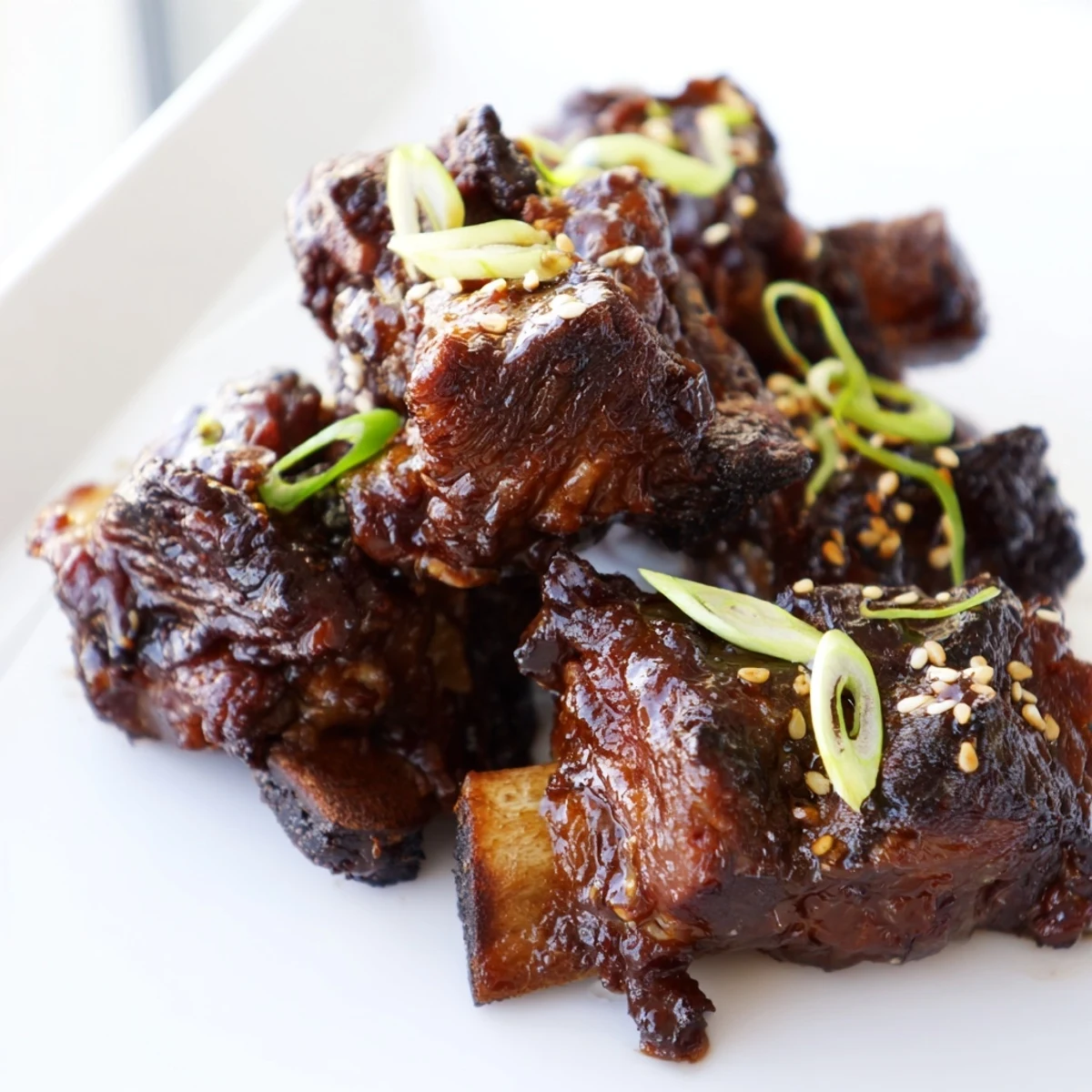
 These Korean-style grilled short ribs feature a marinade blending soy sauce, brown sugar, honey, and sesame oil with aromatic garlic, ginger, and Asian pear. The fruit enzymes naturally tenderize the meat while adding subtle sweetness.
Grilling over high heat creates beautiful caramelization and slight char around the edges, delivering that authentic galbi flavor. The result is tender, juicy beef with perfect balance of savory and sweet notes.
Serve alongside steamed rice and kimchi for a complete Korean dining experience. The dish pairs excellently with light lager or traditional Korean soju.
The smell of these ribs grilling takes me back to my friend Jinwoo's rooftop in Seoul, where he'd set up a small charcoal grill and we'd cook while the city lights flickered below. I remember being skeptical about the grated pear in the marinade until that first bite, how the meat practically fell off the bone and left this perfect balance of sweet and salty. Now every summer, I recreate those evenings in my backyard.
Last summer I made these for my neighbors' anniversary party, and honestly, I've never seen people gravitate so quickly to one dish. Someone actually asked if they could take home the empty platter just to lick the remaining marinade. The way the ribs disappeared taught me that comfort food transcends cultures.
Ingredients
- 2 lbs flanken-cut beef short ribs: Flanken cut is crucial here, those thin cross sections soak up marinade faster and cook more evenly than thick slabs
- 1/2 cup soy sauce: Use a good quality Korean soy sauce if you can find it, it has this deep almost earthy sweetness that generic brands miss
- 1/4 cup brown sugar plus 2 tbsp honey: The combination gives you both immediate sweetness and that slow burning caramelization on the grill
- 2 tbsp mirin: This rice wine adds a subtle brightness that cuts through all that rich sugar and salt
- 2 tbsp sesame oil: Toasted sesame oil is non negotiable here, raw just doesn't have that nutty complexity
- 4 cloves garlic minced: Don't be tempted to use jarred garlic, fresh cloves give you that sharp bite that mellows into something incredible during grilling
- 1 thumb sized piece fresh ginger grated: Peel it with a spoon to get into all those crevices, every bit of that spicy warmth matters
- 1 small Asian pear grated: The enzymes are what tenderize but the sweetness is what makes people ask what your secret ingredient is
- 1/2 small onion grated: Grating might seem fussy but it releases all those juices without leaving onion chunks that burn
- 2 green onions finely sliced: Save some pretty green tops for the garnish but the white parts go into the marinade for depth
Instructions
- Rinse and prep the ribs:
- Rinse under cold water and pat completely dry, any moisture on the surface will steam instead of char
- Whisk together the marinade:
- Combine soy sauce, brown sugar, honey, mirin, sesame oil, garlic, ginger, grated pear, grated onion, pepper, sliced green onions, and sesame seeds until the sugar has fully dissolved
- Marinate generously:
- Coat every rib thoroughly and refrigerate at least 4 hours but overnight is better, flip the bag once halfway through
- Get your grill hot:
- Preheat to medium high, you want that sizzle immediately when the meat hits the grates
- Grill to perfection:
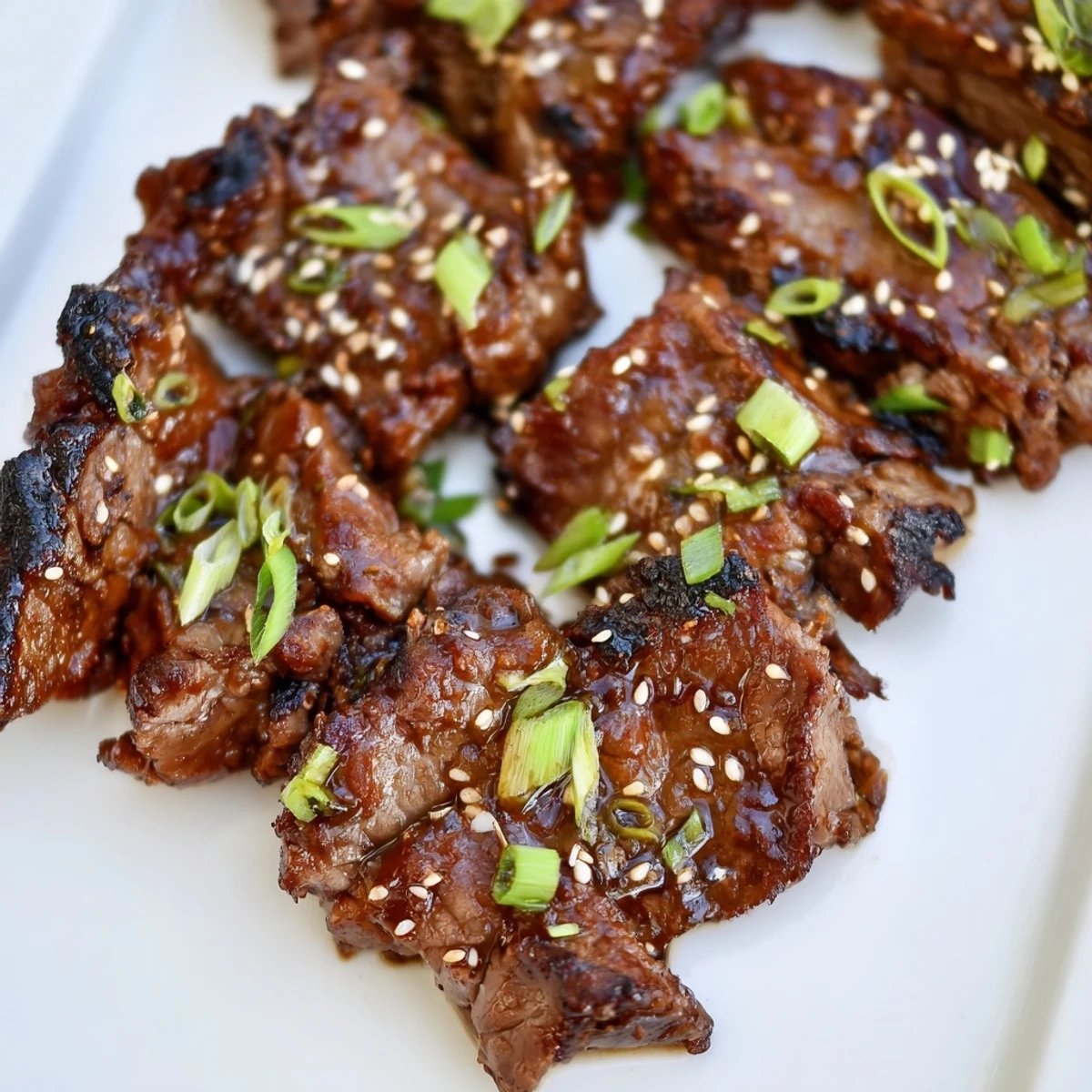
- Cook 3 to 4 minutes per side until you see those gorgeous caramelized edges with slight char
- Finish with flair:
- Transfer to a platter and sprinkle with those reserved green onions and sesame seeds while still hot
 Pin It
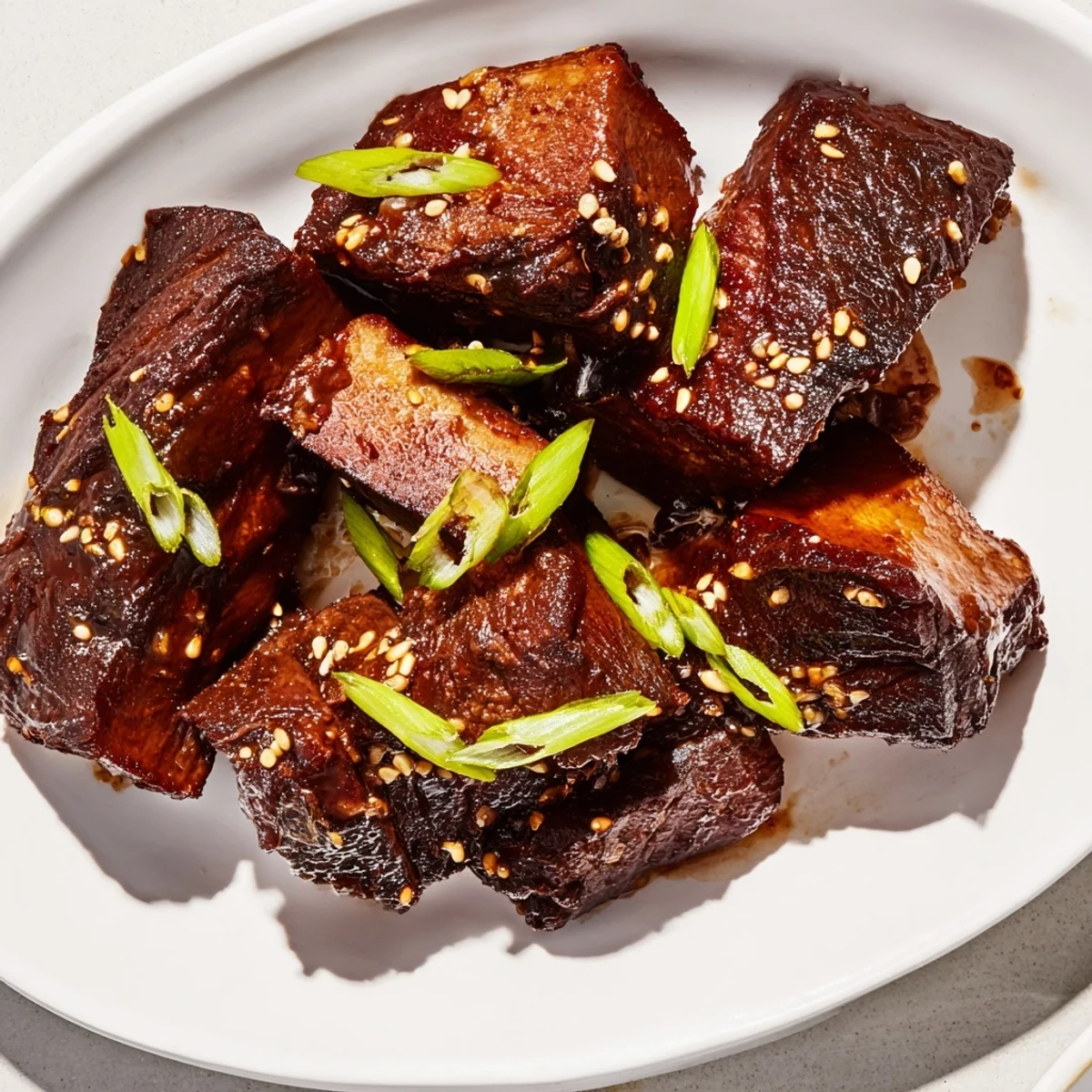
 My dad originally turned his nose up at beef ribs, claiming they were too much work for too little meat, but after trying these at our July 4th celebration, he requested them for his birthday dinner. That's when I knew this recipe had become part of our family's story.
The Secret To Perfect Grill Marks
I spent years ruining ribs by flipping them too often until a grill master told me to walk away for those crucial 3 minutes. The meat releases naturally when it's ready, and forcing it leaves you with ragged edges instead of those professional sear marks.
Make Ahead Magic
The morning of a party, I'll get everything marinating and prepped so I'm not running around when guests arrive. These ribs actually develop more complexity the longer they sit, so 24 hours in the fridge is never a bad thing.
Side Dishes That Shine
After years of serving these with just plain rice, I started making quick pickled cucumbers and roasted sesame broccoli. The cool crunch cuts through the richness, and suddenly it feels like a complete meal instead of just protein on a plate.
- Keep some extra marinade simmered down on the stove for brushing at the very end
- Have a spray bottle of water ready for flare ups, the sugar in this marinade loves to catch fire
- Rest the ribs for 5 minutes after grilling, the juices redistribute and make each bite more succulent
 Pin It
 There's something primal and satisfying about eating ribs with your hands, the sticky fingers and knowing laughter around the table. These dishes are never just about dinner.
Recipe Questions & Answers
- → What cut of beef works best for galbi?
-
Flanken-cut beef short ribs are traditional, cut across the bones into thin strips. This cut allows the marinade to penetrate quickly and cooks evenly on the grill.
- → Why is Asian pear included in the marinade?
-
Asian pear contains enzymes that naturally tenderize tough meat fibers. It also adds subtle sweetness and helps create that characteristic glossy caramelized finish when grilled.
- → How long should the ribs marinate?
-
Minimum 4 hours for decent flavor absorption, but overnight marinating yields the most tender and flavorful results. The longer marination time allows the fruit enzymes to fully break down the meat fibers.
- → Can I cook these indoors without a grill?
-
A grill pan or cast-iron skillet works well over medium-high heat. You can also broil in the oven, though you won't get quite the same smoky flavor from charcoal or gas grilling.
- → What sides complement this dish?
-
Steamed white rice, fresh kimchi, and banchan (Korean side dishes) like pickled vegetables or bean sprout salad. Light lager or Korean soju make excellent beverage pairings.
- → Is this gluten-free?
-
Traditional soy sauce contains gluten. Simply substitute with tamari or gluten-free soy sauce to make the entire dish gluten-free while maintaining the authentic flavor profile.