
 Pin It
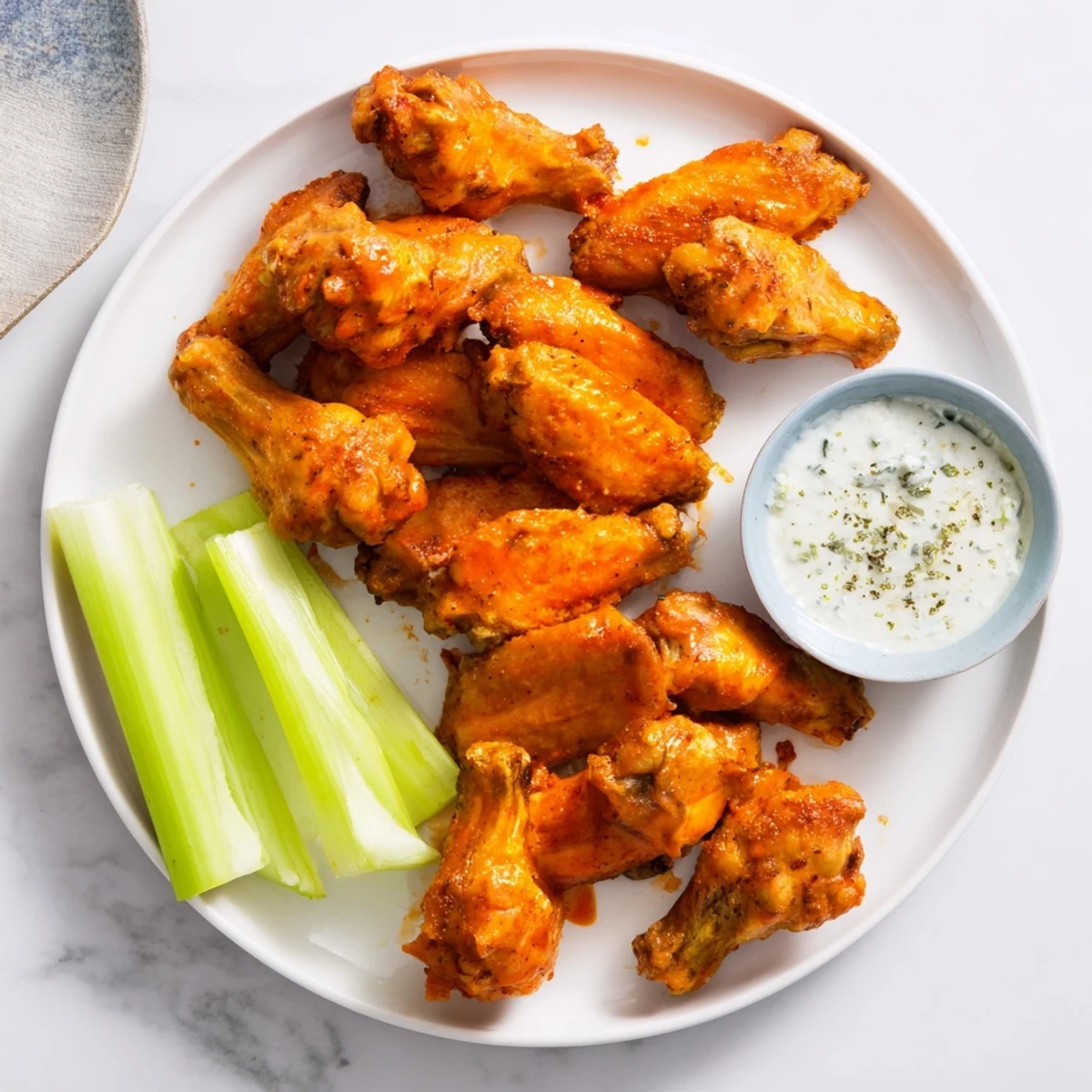
 These wings deliver perfect smoky flavor and crispy texture through a two-stage cooking process. Start by smoking at low heat to infuse rich hickory or applewood essence, then crank up the temperature to achieve golden, crackling skin. The homemade buffalo sauce balances heat from hot sauce with buttery richness and a touch of honey sweetness. Toss everything together just before serving for wings that stay perfectly coated without getting soggy.
The smoke was already curling through the backyard when my neighbor stuck his head over the fence, wondering what on earth I was up to at 11 AM on a Tuesday. I'd been experimenting with smoking wings for months, and that morning something finally clicked—low and slow followed by a screaming hot finish.
These wings have become my absolute go to for everything from Super Bowl parties to random Tuesday night cravings. Last summer, I made three batches back to back for a block party, and watching people circle back to the platter fourth and fifth time was all the validation I needed.
Ingredients
- Chicken wings: Separating drums and flats helps them cook evenly, and I've learned to pat them completely dry before seasoning
- Baking powder: This is the secret weapon for crispy skin—use aluminum free to avoid any bitter taste
- Smoked paprika: Adds a subtle smoky note that plays beautifully with the actual smoking process
- Hot sauce: Franks RedHot is classic, but any vinegar based hot sauce works wonderfully
- Honey: Just enough to tame the heat and help the sauce cling to every wing
- Worcestershire sauce: Brings that umami richness that makes people ask what's in this sauce
Instructions
- Get your smoker ready:
- Set up your smoker or grill for indirect heat at 250°F and add your wood chunks—hickory gives that classic bold smoke while applewood is sweeter and more subtle
- Season the wings:
- Pat those wings absolutely dry with paper towels, then toss them with the baking powder and spices until every piece is coated
- Set up for smoking:
- Arrange the wings in a single layer on a wire rack over a baking sheet—airflow is key here, so don't crowd them
- Smoke them low and slow:
- Cook at 250°F for 45 minutes, letting the smoke work its magic into the meat
- Crisp them up:
- Crank the heat to 425°F and cook for 30 more minutes, flipping halfway through until they're golden and the skin is audibly crispy
- Make the sauce:
- Whisk together the hot sauce, melted butter, honey, Worcestershire, and garlic powder in a small saucepan over low heat until smooth
- Sauce and serve:
- Toss the hot wings in the sauce immediately and serve while they're still sizzling, with plenty of celery and your favorite dipping sauce
 Pin It
 My brother in law still talks about the first time he tried these, standing around the smoker in his apron, sampling wings for quality control and claiming it was part of the cooking process. Food tastes better when you've watched it transform over fire and smoke, surrounded by people who appreciate the effort.
Mastering the Smoke
I've found that maintaining a steady temperature is more important than fancy equipment. A basic kettle grill with a reliable thermometer will absolutely deliver the goods if you resist the urge to keep peeking—every time you open that lid, you're letting heat and smoke escape.
The Perfect Crisp
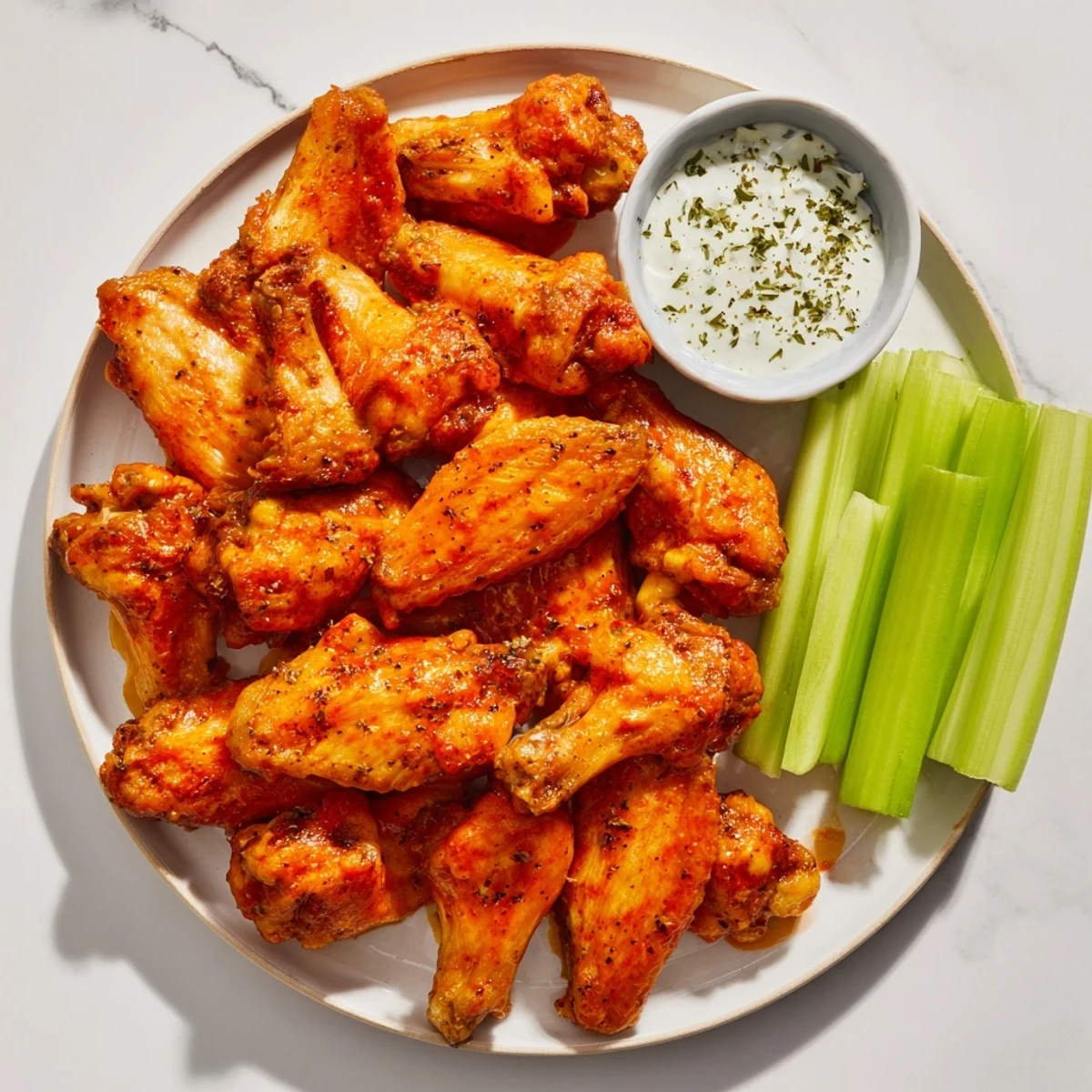
That final high heat blast is non negotiable. I've tried skipping it or rushing this step, and the wings never achieve that restaurant quality crunch. The skin should blister and bubble—that's when you know you've nailed it.
Sauce Like a Pro
Toss the wings in a large bowl immediately after they come off the heat, and work quickly—the sauce clings better to hot wings than warm ones. I keep some sauce on the side for people who want to double dip.
- Warm your serving bowl in the oven for a few minutes so the wings stay hot longer
- Line your serving platter with parchment for easier cleanup
- Extra sauce on the table is always better than not enough
 Pin It
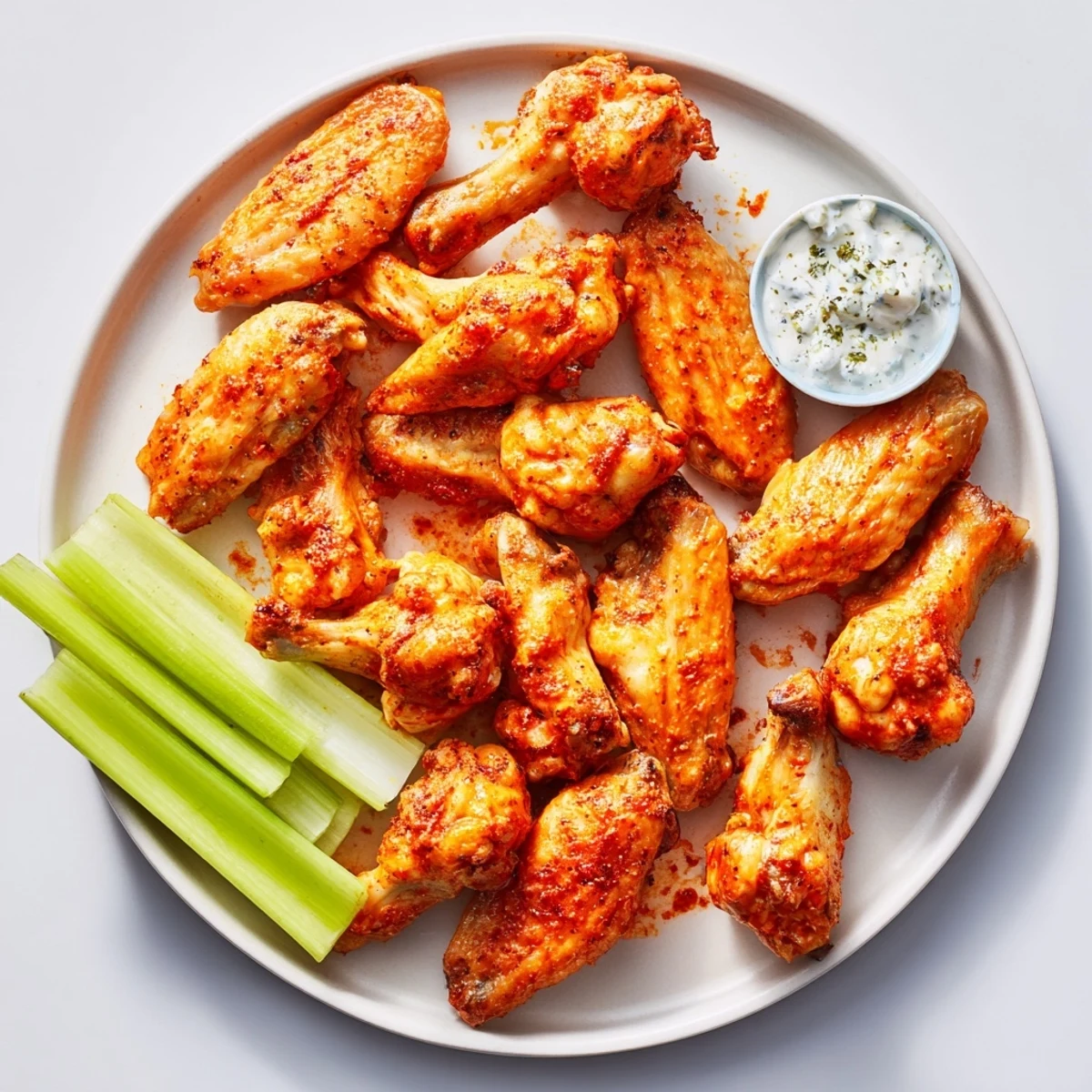
 These wings have become the recipe I'm most proud of, the one that makes people pause mid bite and ask what makes them so different. Happy smoking, and don't be surprised if your neighbors start showing up uninvited.
Recipe Questions & Answers
- → What wood works best for smoking wings?
-
Hickory provides strong smoky flavor that stands up to buffalo sauce, while applewood offers a milder, fruitier profile. Both work beautifully with chicken wings.
- → Can I make these without a smoker?
-
Yes. Bake at 250°F for 30 minutes, then increase to 425°F for 40 minutes, flipping once. The results won't have the same wood-smoked depth, but you'll still get crispy skin.
- → Why use baking powder on wings?
-
Baking powder raises the skin's pH level, helping it crisp up beautifully during cooking. It creates that restaurant-quality crunch without heavy breading.
- → How do I prevent soggy wings?
-
Sauce the wings immediately before serving rather than letting them sit in sauce. The two-stage cooking method also ensures excess fat renders out for crispier skin.
- → What can I serve with these wings?
-
Celery sticks and blue cheese or ranch dressing are classic pairings that cool the heat. Coleslaw, potato salad, or roasted vegetables also make great sides.