
 Pin It
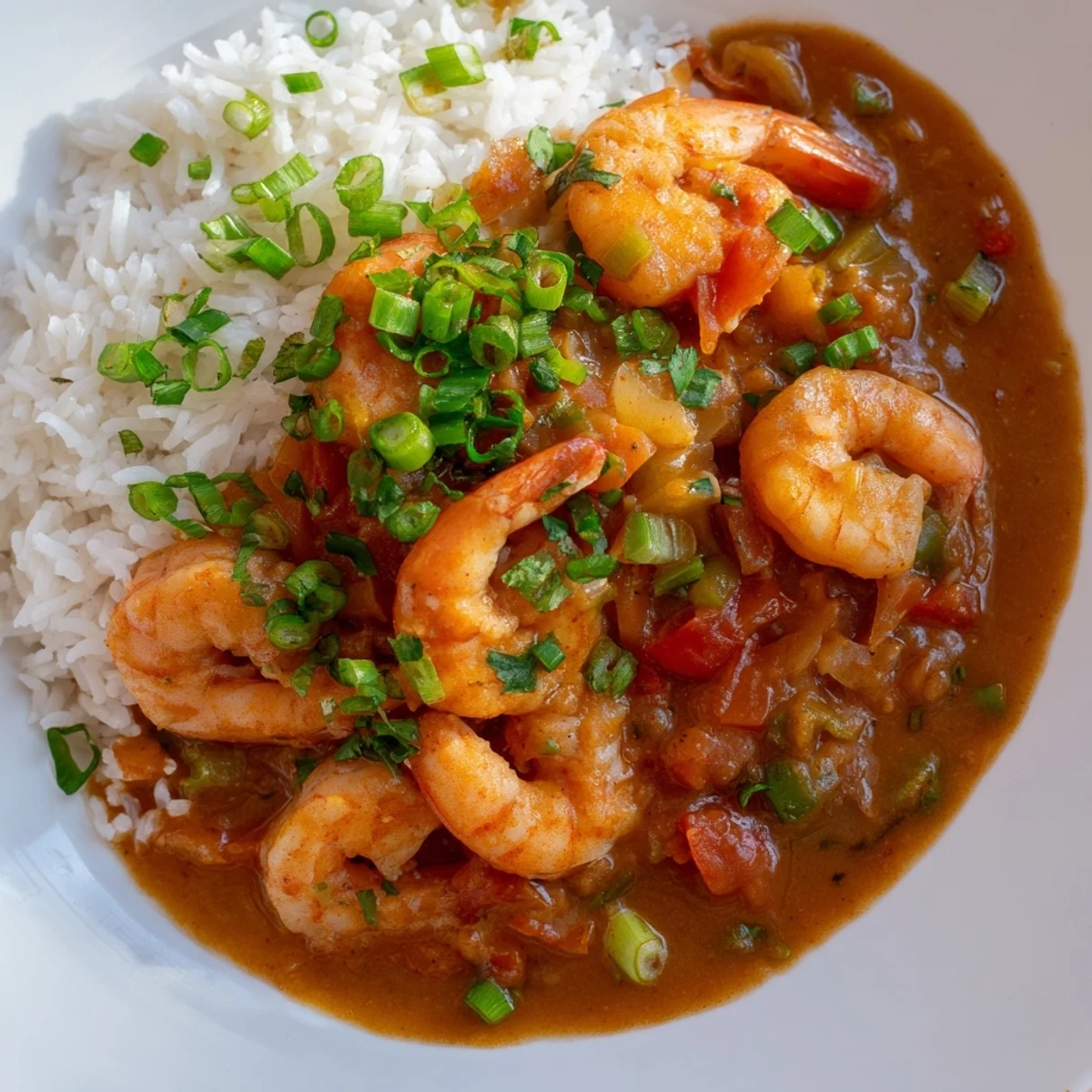
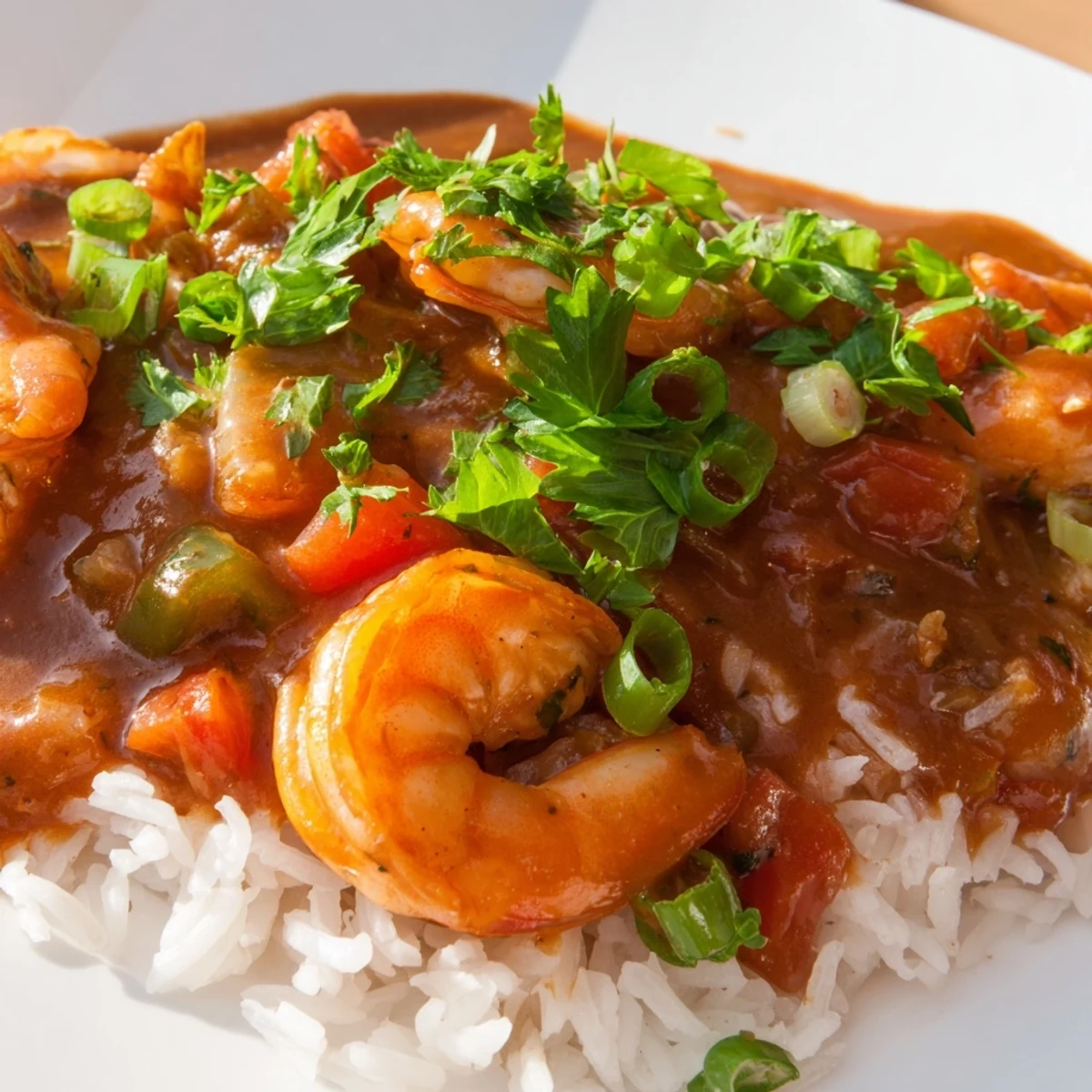
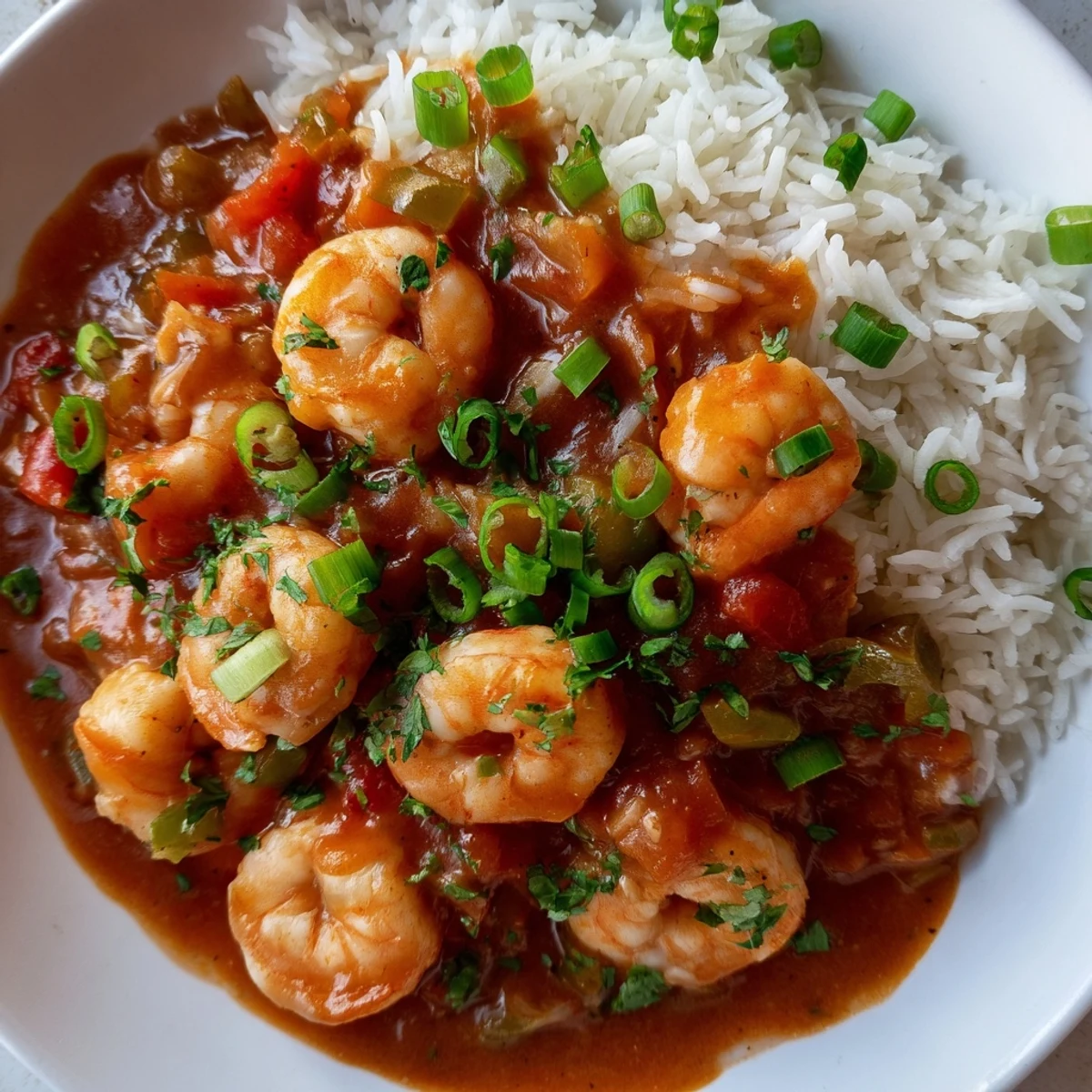
 This authentic Creole shrimp étouffée combines tender, peeled shrimp with a deeply flavorful sauce built on the holy trinity of onions, bell peppers, and celery. A light roux creates the perfect base for tomatoes, seafood stock, and warm spices like Creole seasoning, smoked paprika, and thyme. The shrimp cooks gently in just 3-5 minutes, finishing with bright lemon juice and fresh herbs. Served alongside fluffy white rice, this one-hour dish delivers restaurant-quality results at home.
The first time I cooked shrimp étouffée, a summer storm was beating against my kitchen window while I stirred the roux, the rich aroma somehow matching perfectly with the weather's intensity. Something about the rhythmic stirring and watching that sauce transform from pale to golden brown felt like being initiated into a secret Louisiana cooking ritual. My grandmother had visited New Orleans in her youth and would describe the flavors with such vivid detail that I felt I knew them before I ever tasted them.
Last Mardi Gras, I made this étouffée for friends who had never experienced Creole cuisine, setting the table with beads and playing jazz in the background. One friend who claimed to dislike seafood ended up asking for seconds, then thirds, eventually admitting he might need to reconsider his stance on shrimp. The conversation flowed as easily as the wine that night, punctuated by satisfied sighs and the occasional scrape of spoons against empty bowls.
Ingredients
- The Holy Trinity: Onion, bell pepper, and celery form the backbone of so many Creole dishes, and I learned through many batches that taking the time to chop them finely and cook them slowly makes all the difference in the final flavor.
- Large Shrimp: I once tried making this with small shrimp and regretted it immediately, as they overcooked too quickly and became tough, so stick with large ones and dont remove the tails until serving for extra flavor in the sauce.
- Creole Seasoning: After experimenting with making my own versus store-bought, I found that having a good quality premade blend saves time without sacrificing flavor, but taste it first as some brands pack more heat than others.
- Bay Leaf: Its tiny but mighty in adding that subtle earthiness that ties all the flavors together, just remember to fish it out before serving or someone will get a surprising bite.
Instructions
- Perfect Your Rice First:
- Start with the rice so its ready when your étouffée is finished, rinsing it until the water runs completely clear to remove excess starch. When you fluff it with the fork, be gentle like youre trying not to wake someone sleeping.
- Make the Holy Trinity Sing:
- Sauté your vegetables until they become soft and fragrant, taking your time here as rushing this step means missing out on crucial flavor development. The kitchen should fill with an aroma so good youll want to bottle it.
- Create Your Roux:
- Adding flour to the vegetables creates the base of your sauce, so keep stirring continuously to prevent burning. Watch for that moment when it turns a light caramel color and smells slightly nutty.
- Build the Sauce:
- When adding your stock, pour slowly while whisking to avoid any lumps forming in your sauce. Let it bubble away until it thickens enough to coat the back of your spoon.
- Mind Your Shrimp:
- These delicate creatures need just 3-5 minutes to cook through, turning from translucent gray to opaque pink. Overcooking will make them rubbery, so watch them like a hawk.
- Final Flourish:
- Off the heat, stir in your lemon juice, parsley, and green onions to brighten all the flavors. That hit of acid and freshness balances the rich sauce perfectly.
 Pin It
 One particularly hectic day, I threw this together as comfort food after a difficult work meeting, methodically chopping vegetables while letting the day melt away. My partner walked in, took one whiff, and without a word grabbed two wine glasses and a bottle, understanding exactly what we both needed. Sometimes the ritual of cooking something so soulful becomes its own form of therapy, transforming not just ingredients but also your state of mind.
The Art of Layering Flavors
Each component of étouffée adds its own distinct note to the symphony, from the savory base of the trinity to the sweet brine of fresh shrimp. I discovered through multiple attempts that adding ingredients in the right order matters tremendously. When I rushed and dumped everything in at once, the result was muddled and flat, but properly layered flavors create that remarkable depth that makes you close your eyes with each bite, picking out different notes like you would in a complex wine.
Serving Suggestions
While white rice is the traditional and perfect canvas for étouffée, Ive experimented with serving it alongside crusty French bread for sopping up sauce or even spooned over grits for a breakfast-for-dinner twist. The sauce is so good that my Louisiana-born neighbor admitted to drinking the leftover sauce like soup when nobody was watching, which I consider the highest compliment and have since done myself on more than one occasion.
Making It Ahead and Storing
Étouffée develops even more character after resting overnight in the refrigerator, making it ideal for planning ahead. The first time I made it for company, I prepared it the day before in a stress-free kitchen and simply reheated it gently while making fresh rice, allowing me to actually enjoy my guests instead of frantically cooking.
- Store leftovers in an airtight container in the refrigerator for up to 3 days, adding a splash of stock when reheating if it thickens too much.
- Freeze portions without the rice for up to 2 months, thawing overnight in the refrigerator before gently reheating.
- If making ahead for company, add the shrimp just before serving for the best texture, or slightly undercook them initially so they dont become overcooked when reheating.
 Pin It
 This étouffée has become more than just a recipe in my collection, its become a tradition and a love language. Whenever I make it, Im not just cooking dinner, Im carrying forward a piece of cultural heritage that connects me to cooks Ive never met but somehow understand.
Recipe Questions & Answers
- → Can I use frozen shrimp for this dish?
-
Yes, frozen shrimp work well. Thaw them completely and pat dry before cooking to ensure even cooking and proper browning in the pan.
- → What's the difference between étouffée and gumbo?
-
Étouffée means 'smothered' and features a thick sauce served over rice, while gumbo is a thinner, brothier stew often served in bowls. Étouffée cooks faster and has a more concentrated flavor.
- → How do I make the roux without burning it?
-
Cook flour and fat together over medium heat, stirring constantly for about 2 minutes. A light roux should be pale blonde. Avoid high heat, which can cause it to brown too quickly and develop a bitter taste.
- → Can I make this ahead of time?
-
Prepare the sauce up to 24 hours in advance and refrigerate. Add shrimp only when ready to serve, cooking for 3-5 minutes just before serving for optimal texture and freshness.
- → What substitutes work for seafood stock?
-
Chicken broth or vegetable broth create delicious alternatives. For deeper seafood flavor, simmer shrimp shells in water for 15 minutes to make quick homemade stock.
- → How spicy is this dish naturally?
-
The base sauce is mildly spicy from Creole seasoning and smoked paprika. Cayenne pepper is optional, allowing you to control heat levels. Start with 1/4 teaspoon and adjust to taste.