
 Pin It
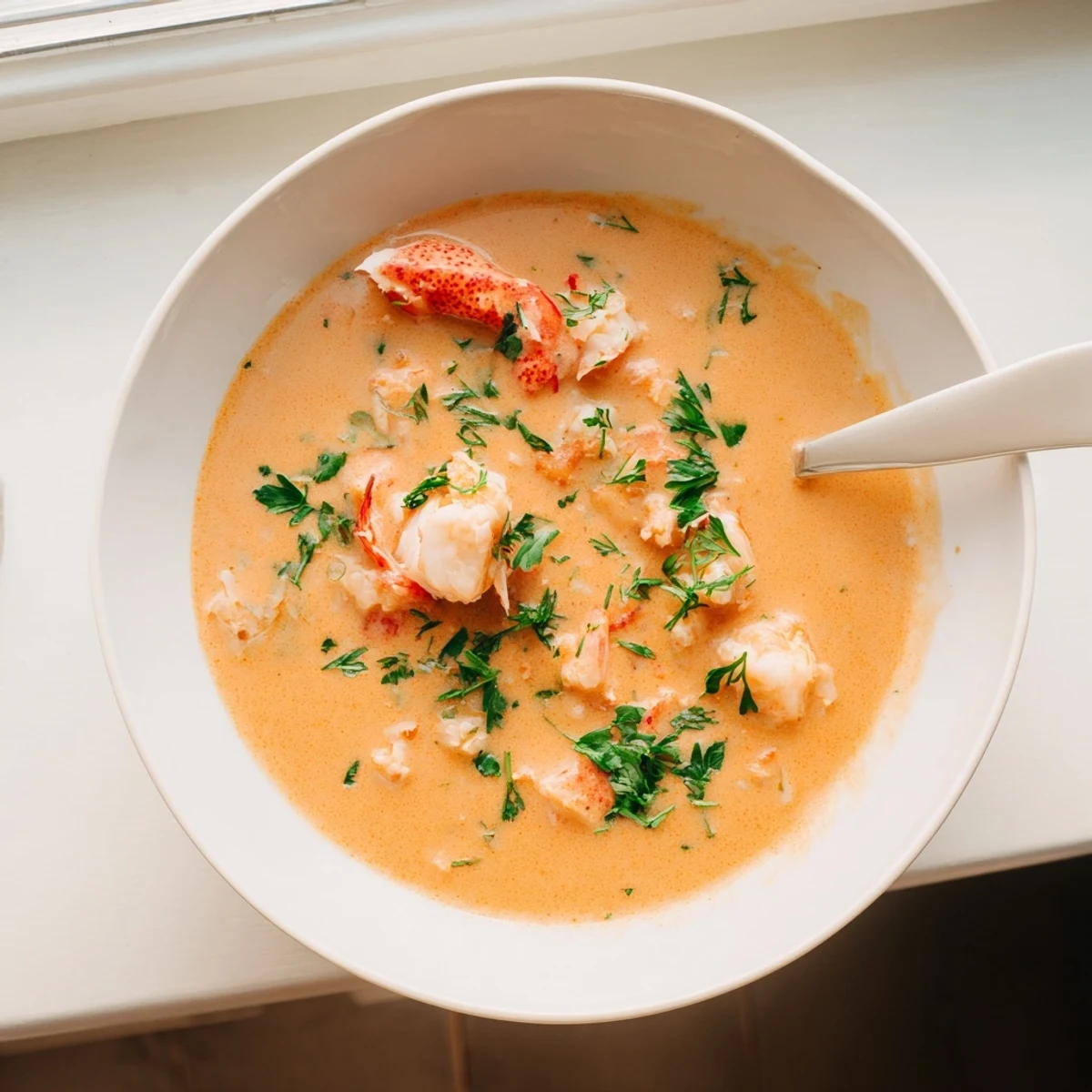
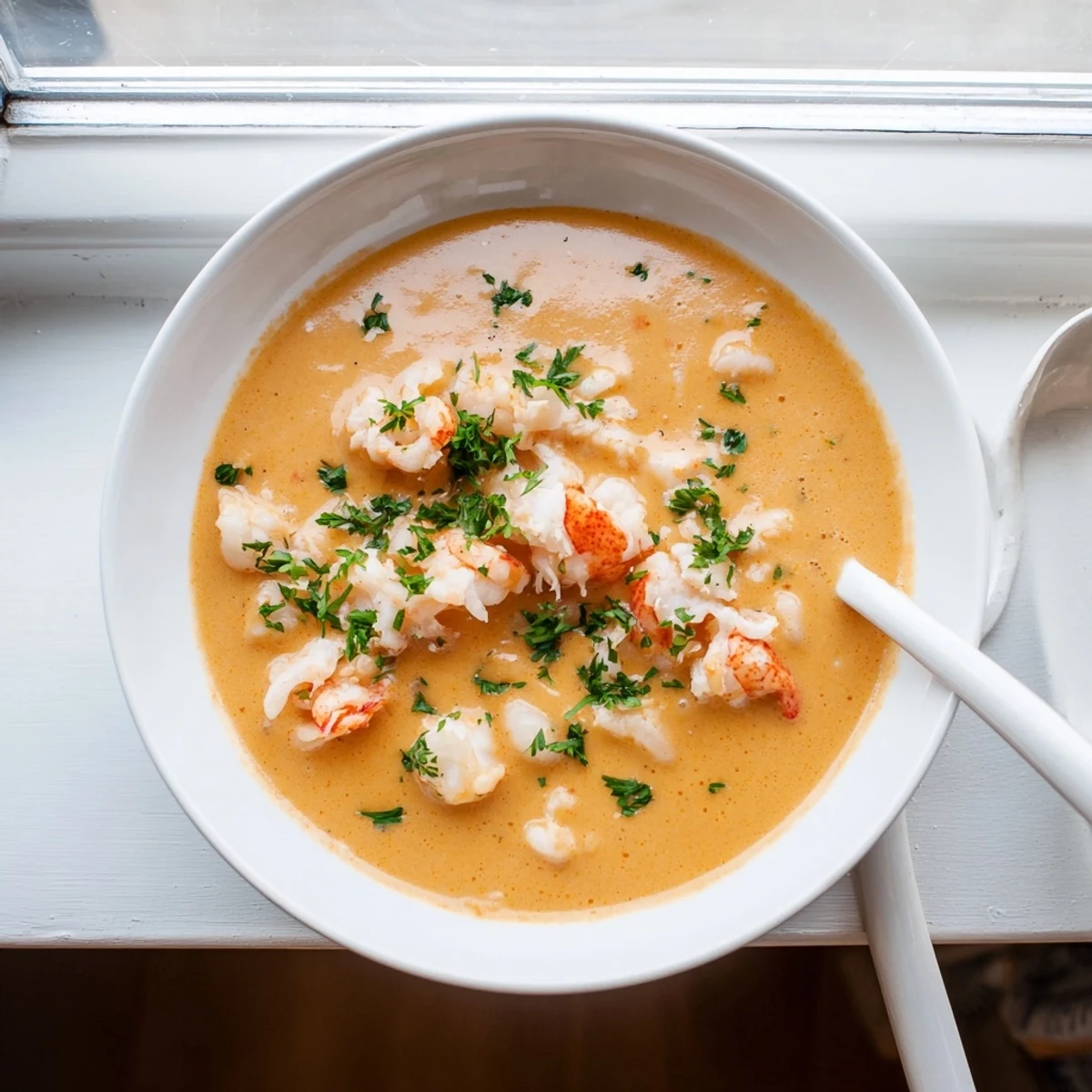
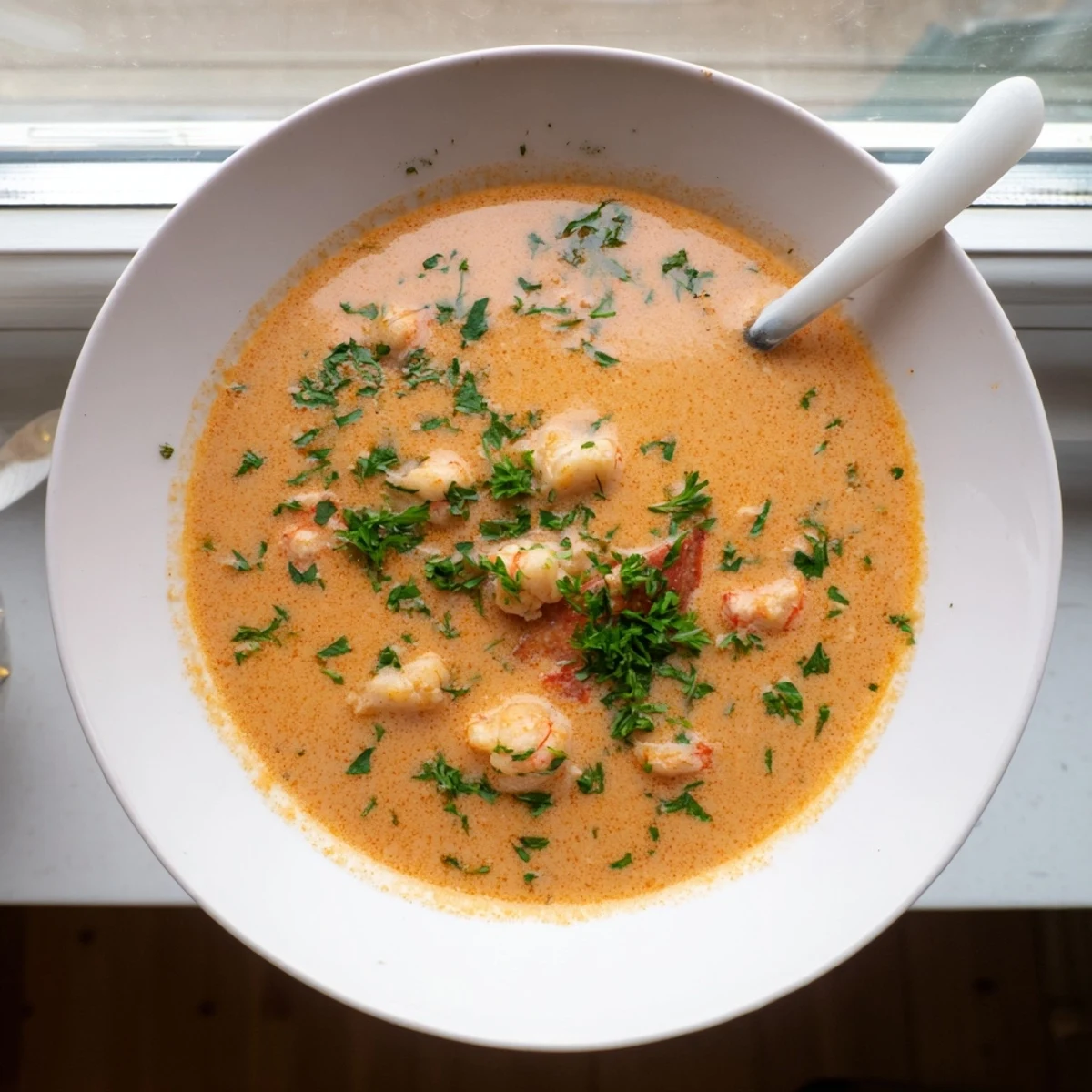
 This indulgent French-style bisque combines sweet prawns and tender lobster in a luxurious, velvety cream base. The secret lies in extracting maximum flavor from the shells by first sautéing them with aromatic vegetables, then simmering with white wine, brandy, and quality seafood stock. After straining, the broth is enriched with heavy cream and finished with fresh herbs. The result is an elegant, restaurant-worthy soup that balances sweet seafood notes with subtle warmth from cayenne pepper.
The first time I attempted bisque, I stood over a steaming pot wondering if all that shell-simmering was worth the effort. One taste later, I understood why French chefs treat this soup like liquid gold. Now whenever I spot fresh prawns at the market, I know exactly whats coming.
I served this at a dinner party last winter, watching my friends go quiet after their first spoonful. Someone actually asked if I'd secretly ordered it from a bistro downtown. That moment of smug kitchen satisfaction is hard to beat.
Ingredients
- 200 g raw prawns: Those shells are pure flavor gold, never toss them
- 1 small lobster: Even a modest lobster delivers incredible depth to the broth
- 1 medium onion: The foundation that sweetens everything else
- 1 medium carrot: Adds subtle sweetness that balances the brine
- 1 celery stalk: Brings a bright, aromatic backbone
- 2 cloves garlic: Dont be shy, it mellows beautifully in the simmer
- 2 tbsp tomato paste: The secret to that gorgeous russet color
- 2 tbsp fresh parsley: Fresh brightness cuts through all that richness
- 1 bay leaf: Classic French touch, dont skip it
- 1 sprig fresh thyme: Dried works in a pinch, but fresh is worth seeking out
- 150 ml dry white wine: Something crisp and cheap is perfect
- 1 L fish or seafood stock: Homemade is ideal but quality store-bought wont let you down
- 150 ml heavy cream: The magic that makes it bisque instead of soup
- 2 tbsp brandy or cognac: Worth the splurge for that restaurant finish
- 2 tbsp olive oil: For the initial shell sauté
- 1 tbsp unsalted butter: Butter and oil together prevent burning
- Salt and pepper: Season generously at the end
- Pinch cayenne pepper: Just enough warmth to wake up the palate
Instructions
- Build your flavor foundation:
- Heat olive oil and butter in a large pot over medium heat, tossing in those precious prawn and lobster shells. Let them sizzle and turn red, about 5 to 7 minutes, until your kitchen smells amazing.
- Add the aromatics:
- Toss in onion, carrot, celery, and garlic, cooking another 5 minutes until everything's softened and fragrant. The base should smell sweet and savory, like something wonderful is coming.
- Stir in the depth:
- Add tomato paste, bay leaf, and thyme, stirring constantly for just 1 minute. The tomato paste will darken slightly, which means its developing that rich, caramelized flavor.
- Deglaze the pot:
- Pour in brandy and white wine, scraping up every bit of flavor from the bottom. Let it bubble for 2 minutes while the alcohol cooks off, leaving behind just its essence.
- Create the stock:
- Add seafood stock and bring to a boil, then reduce heat and simmer uncovered for 25 to 30 minutes. The liquid should reduce slightly and taste intensely of the sea.
- Extract every drop:
- Strain through a fine sieve into a clean pot, pressing hard on the shells to get all that liquid gold out. Those shells have given everything, so its okay to discard them now.
- Add the seafood:
- Return strained broth to medium-low heat and add prawn and lobster meat. Simmer gently for just 4 to 5 minutes until the seafood is perfectly cooked, since overcooked seafood turns rubbery.
- Finish with cream:
- Stir in heavy cream and chopped parsley, seasoning with salt, pepper, and cayenne. Heat through without boiling, taste, and adjust seasoning until it sings.
 Pin It
 My grandmother would say the best recipes are the ones that make people close their eyes while eating. This bisque does exactly that, every single time.
Making It Ahead
The broth can be made a day in advance and refrigerated, which actually intensifies the flavors. Just wait to add the cream and seafood until you're ready to serve, reheating gently before finishing.
Pairing Suggestions
A crisp Chardonnay or Sancerre cuts through the richness beautifully. I've also served it with warm crusty bread for soaking up every last drop.
Swaps and Variations
Crayfish or crab work beautifully if lobster feels too extravagant or unavailable. The method stays exactly the same, and honestly, nobody will complain about the upgrade.
- Crab shells make an equally stunning bisque
- Sherry can replace brandy for a different twist
- A drop of truffle oil at the end feels incredibly fancy
 Pin It
 There's something profoundly satisfying about turning what most people throw away into something extraordinary. That's the kind of kitchen magic worth repeating.
Recipe Questions & Answers
- → What makes a bisque different from regular soup?
-
A bisque is a smooth, creamy French soup traditionally made with shellfish. What sets it apart is the technique of first extracting intense flavors from seafood shells by sautéing and simmering them, then straining and enriching the broth with cream for that signature velvety texture.
- → Can I make this ahead of time?
-
Absolutely. In fact, the flavors develop and improve when made a day ahead. Prepare through step 6, cool, and refrigerate. Reheat gently, add the seafood meat and cream in the final minutes before serving to prevent overcooking.
- → What can I substitute for brandy or cognac?
-
While brandy adds depth, you can use additional dry white wine or a splash of dry sherry instead. For a non-alcoholic version, simply increase the seafood stock slightly and add a touch more acidity with lemon juice.
- → How do I prevent the cream from curdling?
-
Always add cream at the very end and heat gently without bringing to a full boil. If you plan to blend the bisque, do so before adding the cream, or blend very briefly on low speed to maintain the smooth texture.
- → Can I use frozen prawns and lobster?
-
Yes, frozen seafood works well in this bisque. Thaw completely before use. Since frozen shellfish is often pre-cooked, reduce the simmering time in step 7 to just 2-3 minutes to prevent tough, rubbery meat.