
 Pin It
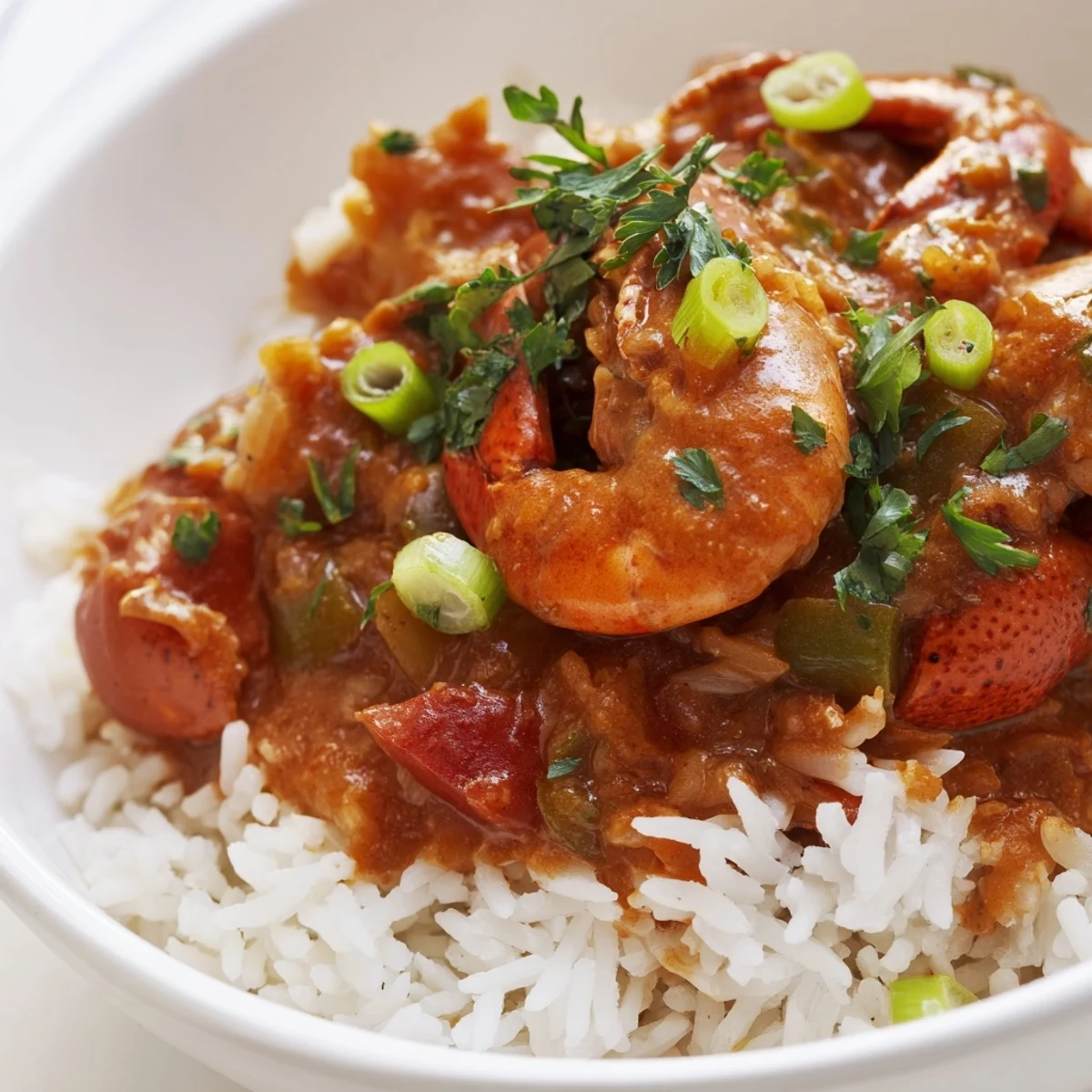
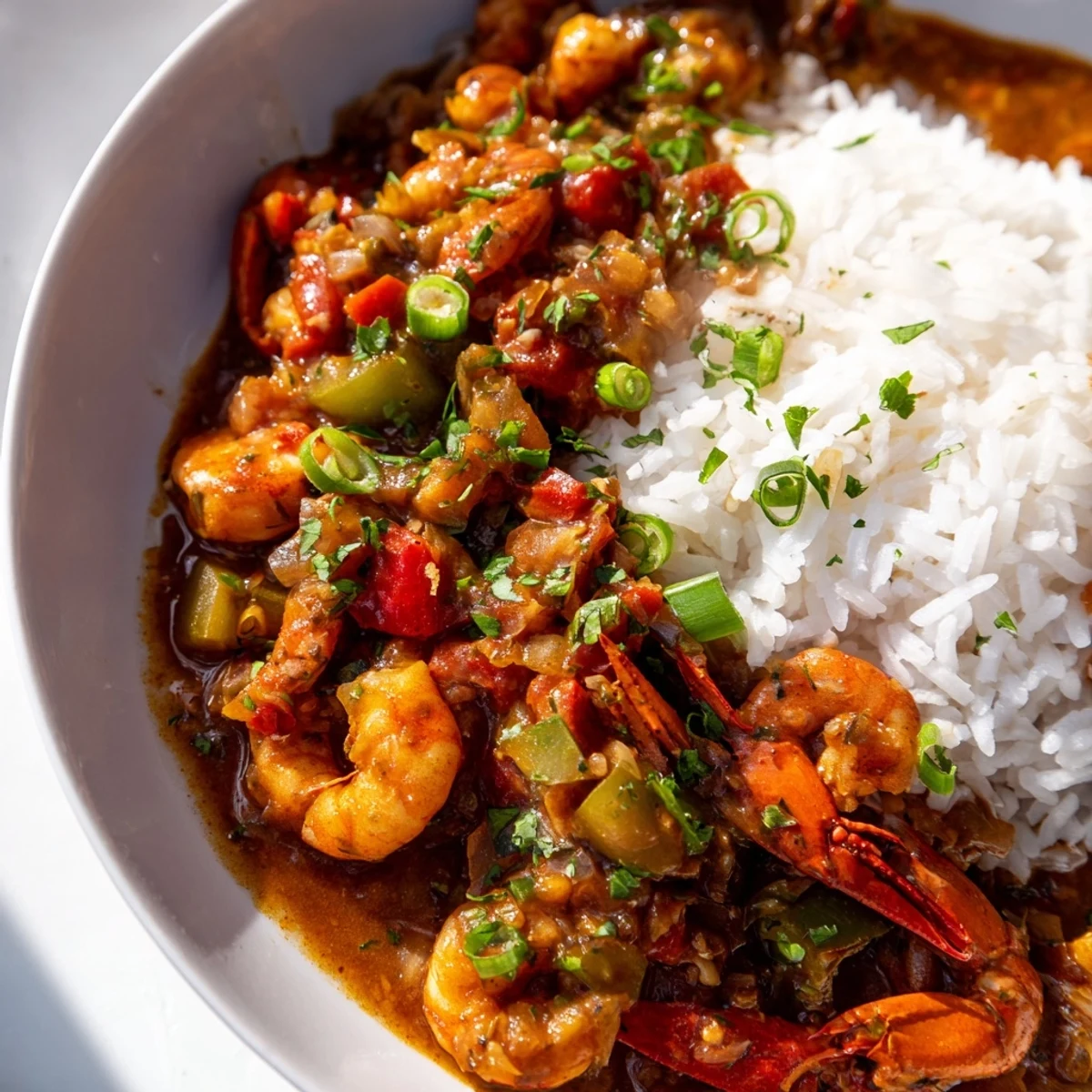
 Crawfish Étouffée is a beloved Louisiana Creole dish featuring tender crawfish tails simmered in a flavorful sauce made from a blond roux, the holy trinity of onions, bell peppers, and celery, plus aromatic Cajun seasonings. The sauce comes together in about 40 minutes and pairs beautifully with fluffy steamed rice.
This medium-difficulty main dish serves 4 and balances spice with richness from butter and seafood stock. Fresh parsley and green onions add brightness to each bowl. The dish celebrates seafood-forward cooking with layers of flavor from paprika, thyme, and bay leaf.
The afternoon light slanted through my kitchen window as I stirred the roux, breathing in the holy trinity of Cajun cooking - onions, bell peppers, and celery sizzling in butter. My crawfish étouffée became a staple in our house after a memorable road trip through Louisiana where I tasted the real thing at a tiny roadside joint. The owner, a woman with laugh lines etched deep into her face, noticed my enthusiasm and scribbled her family recipe on a paper napkin.
Last Mardi Gras, I served this étouffée to friends who had never tried Cajun cuisine before. As conversation flowed and spoons scraped against empty bowls, my normally reserved neighbor asked for seconds, then thirds, finally confessing he hadnt eaten all day because he was saving room for dinner at our place. The quiet pride I felt watching everyone savor each bite made all the chopping and stirring worthwhile.
Ingredients
- Crawfish tails: The sweet, tender meat is the star here, with a flavor that puts regular shrimp to shame, though I learned after three batches that frozen crawfish works beautifully when fresh isnt available.
- The holy trinity: That magical combination of onion, bell pepper and celery that forms the backbone of Cajun cooking, creating a flavor foundation you simply cant skip.
- Butter and flour roux: Patience pays off when making your roux, as those extra minutes of stirring transform it from simple thickener to the complex, nutty base that gives authentic étouffée its depth.
- Long-grain white rice: The perfect canvas for soaking up all that glorious sauce, and letting it rest covered after cooking makes all the difference between gummy and fluffy.
Instructions
- Begin with perfect rice:
- Start the rice first so it can rest while you make the étouffée. Watch how the grains dance as they come to a boil, then lower to a whisper of a simmer and resist lifting that lid.
- Build your flavor base:
- Sauté the trinity in butter until the kitchen fills with that unmistakable aroma and the vegetables soften and begin to glisten. Your patience here will be rewarded in the final dish.
- Make the roux:
- Sprinkle flour over those vegetables and keep stirring, watching the transformation as it turns slightly golden and smells wonderfully nutty. This is culinary magic happening right before your eyes.
- Create the sauce:
- Pour in your stock slowly, feeling the satisfaction as the sauce begins to thicken around your spoon. The tomatoes and seasonings will transform this into something that smells like Louisiana itself.
- Simmer for depth:
- Let everything bubble gently, marrying the flavors while you occasionally stir and inhale the increasingly complex aroma. The sauce will thicken into something that coats the back of a spoon beautifully.
- Add the star ingredient:
- Fold in those beautiful crawfish tails and watch them curl slightly as they heat through. Be gentle now, you want them tender, not tough.
- Finish with freshness:
- The parsley and green onions add a bright counterpoint to the rich sauce. Save some green onions for garnish, that pop of green against the rusty sauce is part of the pleasure.
- Build your bowl:
- Start with a mountain of fluffy rice and crown it with a generous ladle of étouffée. Watch as the sauce cascades down the sides, creating a dish thats both rustic and elegant.
 Pin It
 One stormy evening when the power threatened to go out, we huddled around our kitchen table with emergency candles illuminating steaming bowls of this étouffée. As thunder crashed outside, my daughters face lit up with each bite, declaring between mouthfuls that stormy nights should happen more often if it meant we got to eat like this. Something about the contrast between the tumultuous weather and the comforting food created a memory I treasure.
The Secret of the Roux
My first attempts at étouffée were disasters because I rushed the roux, creating something either too pale and flavorless or burnt and bitter. A Cajun friend later showed me how to achieve that perfect blonde roux, moving the wooden spoon in a figure-eight pattern and watching for that moment when the flour loses its raw smell and takes on a toasty aroma. The transformation takes patience but transforms ordinary ingredients into something magical that cant be rushed or replicated with shortcuts.
Adapting to What You Have
While traditional étouffée purists might raise an eyebrow, Ive discovered through necessity that this dish welcomes thoughtful substitutions. When crawfish proved impossible to find during one memorable dinner party, I pivoted to shrimp at the last minute and was surprised by how delicious it was, just different rather than lesser. Another time, short on fresh bell peppers, I used roasted ones from a jar, which added a subtle smokiness that guests actually preferred to the original version.
Serving Suggestions
Theres something wonderfully communal about setting out a big pot of étouffée for people to help themselves, especially when accompanied by unexpected sides that complement the spicy richness. My brother-in-law, who claimed to dislike Cajun food, fell silent mid-complaint when he tried it with buttery corn on the cob and a simple green salad dressed with lemon juice and olive oil.
- Crusty French bread for sopping up every last bit of sauce is non-negotiable in our house, and warming it slightly in the oven makes it even better.
- A simple side of collard greens or okra provides a welcome vegetable contrast that stands up to the bold flavors without competing.
- Keep cold beer or a crisp white wine at the ready, as the spice builds pleasantly with each bite and youll appreciate the cooling effect.
 Pin It
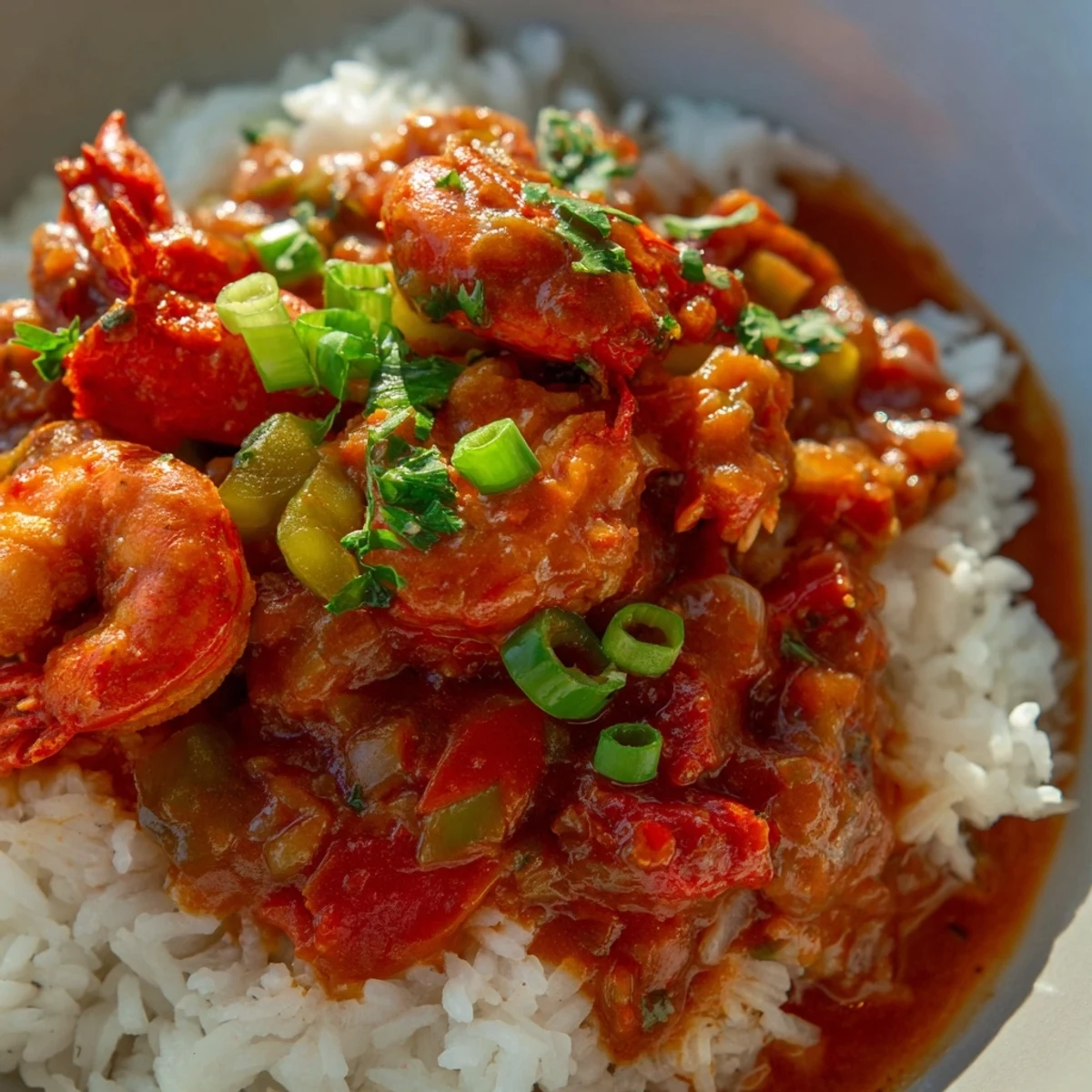
 This crawfish étouffée isnt just a meal, its an experience that brings a touch of Louisiana spirit to your table. Each time I make it, the familiar rhythms of chopping, stirring, and that first delicious bite connect me to both treasured memories and the promise of new ones to come.
Recipe Questions & Answers
- → What exactly is étouffée cooking technique?
-
Étouffée means 'smothered' in French. The technique involves cooking proteins in a thick, rich sauce made from a roux-based foundation with the holy trinity of vegetables—onions, celery, and bell pepper—plus aromatics and seasonings. The result is a deeply flavorful, cohesive dish.
- → Can I substitute crawfish with another protein?
-
Yes, shrimp works excellently as a direct substitute and maintains similar cooking times. You can also use crab, scallops, or firm white fish. Adjust simmering time based on your protein's thickness and density.
- → How do I make a proper blond roux?
-
Melt butter over medium heat, then add flour while stirring constantly. Cook for 3–4 minutes, stirring frequently, until the mixture turns light tan or pale blonde. Avoid dark brown, which develops a bitter flavor. Proper roux requires patience and continuous attention.
- → What's the difference between Cajun and Creole cooking?
-
Creole cooking originates from New Orleans with French, Spanish, and African influences, often using tomatoes and refined techniques. Cajun cooking comes from rural Louisiana with French-Canadian roots, emphasizing bold spices and rustic preparation. This dish blends both traditions.
- → How can I make the rice fluffier?
-
Use fresh long-grain white rice and maintain a precise water-to-rice ratio of 2:1. Avoid lifting the lid during cooking, which releases steam. Let rice rest covered after removing from heat, then fluff gently with a fork rather than stirring.
- → What wine pairs well with this dish?
-
Crisp, acidic white wines like Sauvignon Blanc or Pinot Grigio complement the spiced crawfish and creamy sauce. Light lagers and pale ales also work beautifully, cutting through richness while enhancing seafood flavors.