
 Pin It
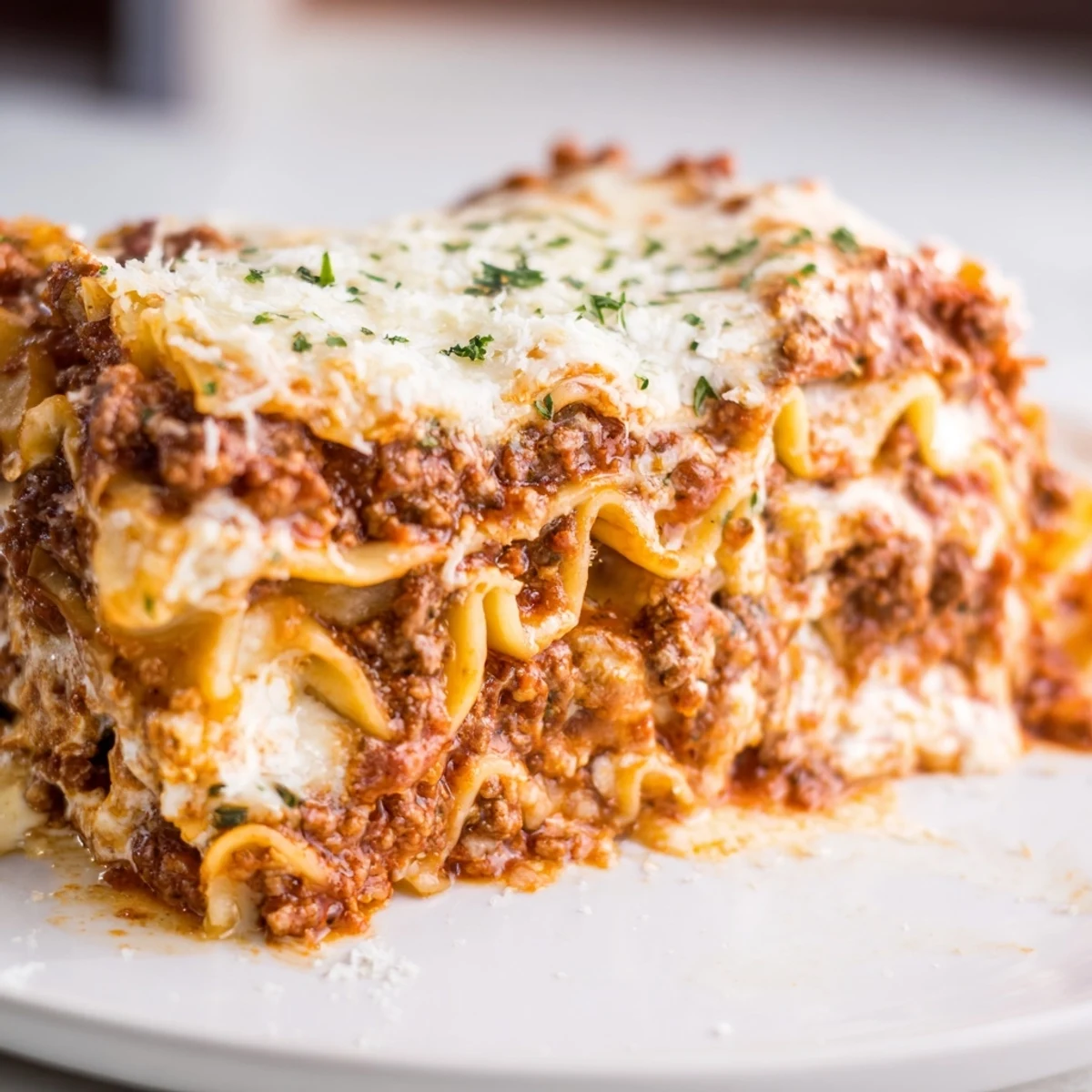
 This comforting Italian dish features layers of a flavorful beef sauce simmered with herbs and tomatoes, complemented by a creamy ricotta and Parmesan mixture. Tender noodles are layered with the sauce and topped generously with mozzarella for a golden, bubbling finish. Baking seals all the flavors, creating a rich, satisfying meal ideal for sharing.
My grandmother's kitchen always smelled like simmering tomatoes on Sunday afternoons, and her lasagna was the reason our whole family gathered around that old wooden table. The first time I made it myself, I stood in front of her handwritten recipe card, nervous I'd somehow ruin the thing that had defined so many of my childhood memories. What I learned was that this lasagna isn't fussy or demanding—it just wants patience, good ingredients, and a willingness to let the flavors build together layer by layer.
I made this for my partner on a rainy Tuesday when neither of us felt like going out, and somewhere between layering the noodles and sliding it into the oven, the apartment filled with this smell that made the whole evening feel like a celebration. By the time we sat down to eat, whatever grey mood the day had brought along had completely lifted.
Ingredients
- Olive oil: Use good olive oil here because you'll taste it in the sauce's backbone.
- Onion and garlic: They're the foundation—don't rush the onion, let it actually soften and turn sweet.
- Ground beef: One pound gives you richness without greasiness, and breaking it up fine means it distributes evenly through each bite.
- Oregano, basil, and red pepper flakes: The oregano and basil build that Italian flavor you crave, while the pepper flakes add a quiet heat that shouldn't be skipped.
- Tomato paste: This is concentrated tomato flavor, and toasting it briefly in the pan unlocks something special.
- Crushed tomatoes and tomato sauce: The combination gives you body and brightness—one wouldn't be enough alone.
- Sugar: Just a teaspoon balances the acidity and makes the sauce taste like it's been simmering for hours.
- Ricotta cheese: Creamy and mild, it's the counterpoint to the bold meat sauce and won't overpower.
- Egg: This binds the ricotta mixture so it stays where you put it instead of sliding around during baking.
- Parmesan cheese: Sharp and salty, it's the flavor that anchors the whole dish.
- Fresh parsley: If you can find it, use fresh—dried works but fresh adds a brightness the lasagna needs.
- Lasagna noodles: Regular or no-boil both work; no-boil saves a step but regular noodles give a slightly better texture.
- Mozzarella cheese: The bubbly, melty top layer that makes people happy, nothing more complicated than that.
Instructions
- Start your sauce:
- Heat olive oil in a large skillet over medium heat, then add your chopped onion and let it cook for about 3-4 minutes until it's soft and starting to turn translucent. You want to smell the sweetness coming out of it before you add the garlic.
- Build the flavor base:
- Stir in minced garlic and cook it for just 1 minute—garlic burns quickly and tastes bitter if you let it, so watch it carefully. You'll know it's ready when the whole kitchen smells garlicky in a good way, not acrid.
- Brown the beef:
- Add your ground beef along with salt, pepper, oregano, basil, and red pepper flakes if you're using them. Break the meat up as it cooks so it stays finely textured instead of chunky. This takes about 5-7 minutes, and you're done when there's no pink left and the meat is starting to caramelize slightly.
- Deepen the sauce:
- Stir in the tomato paste and let it cook for about 1 minute, coating the meat—this toasts it slightly and makes the flavor more concentrated. Then add your crushed tomatoes, tomato sauce, and the sugar, stirring to combine.
- Let it simmer:
- Turn the heat down to low and let the sauce bubble gently for 20-25 minutes, stirring every few minutes. The sauce will thicken, darken slightly, and taste richer and less acidic—you'll see the difference.
- Mix the ricotta layer:
- While the sauce simmers, combine ricotta, egg, Parmesan, parsley, salt, and pepper in a bowl and stir until it's smooth and creamy. Taste it—you want to adjust the salt if needed because this mixture needs to stand up to the bold sauce.
- Cook your noodles:
- If you're using regular lasagna noodles, cook them according to the package, then drain and lay them flat on clean kitchen towels so they don't stick together. If you're using no-boil noodles, just skip this step entirely.
- Layer with intention:
- Spread about 1 cup of meat sauce on the bottom of a 9x13-inch baking dish, then layer 4 noodles over it. Spread one-third of your ricotta mixture over the noodles, sprinkle 1 cup of mozzarella on top, then add about 1 1/2 cups of meat sauce. Repeat this pattern two more times, so you end up with noodles and sauce on top, then sprinkle the remaining mozzarella and Parmesan over everything.
- Protect and bake:
- Cover the dish tightly with foil (spray the underside with oil so it doesn't stick to the cheese), then bake at 375°F for 25 minutes. Remove the foil and bake another 20-25 minutes until the top is golden, bubbly, and the edges are bubbling up the sides of the pan.
- Rest before serving:
- Let the lasagna sit for 15 minutes after it comes out of the oven—this is important because it lets everything set up so slices stay together instead of falling apart on the plate.
 Pin It
 The first time someone asked for seconds and then thirds, I realized that good food isn't about impressing anyone—it's about feeding people something that tastes like care and attention. That's what this lasagna does every single time.
Why This Tastes Like Sunday
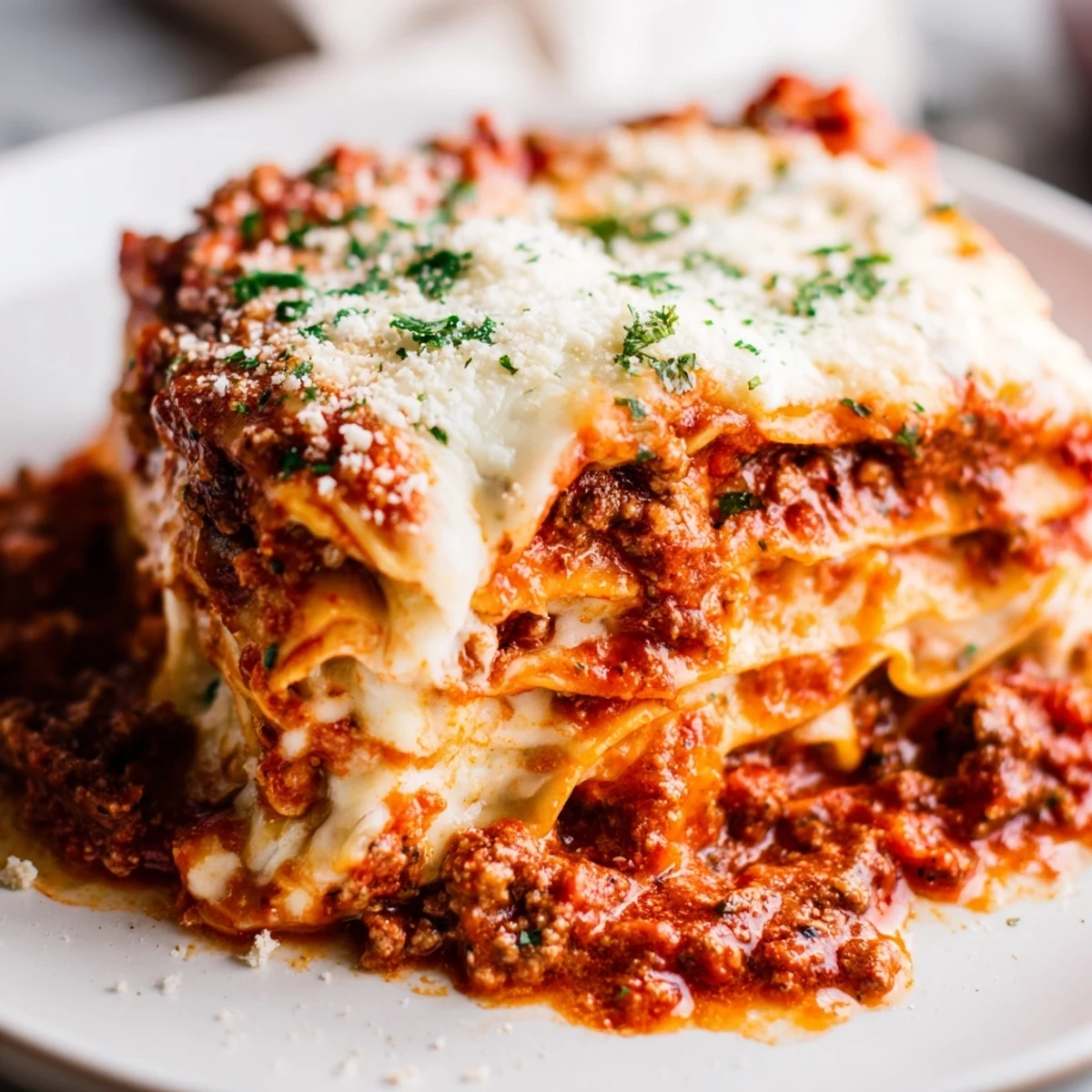
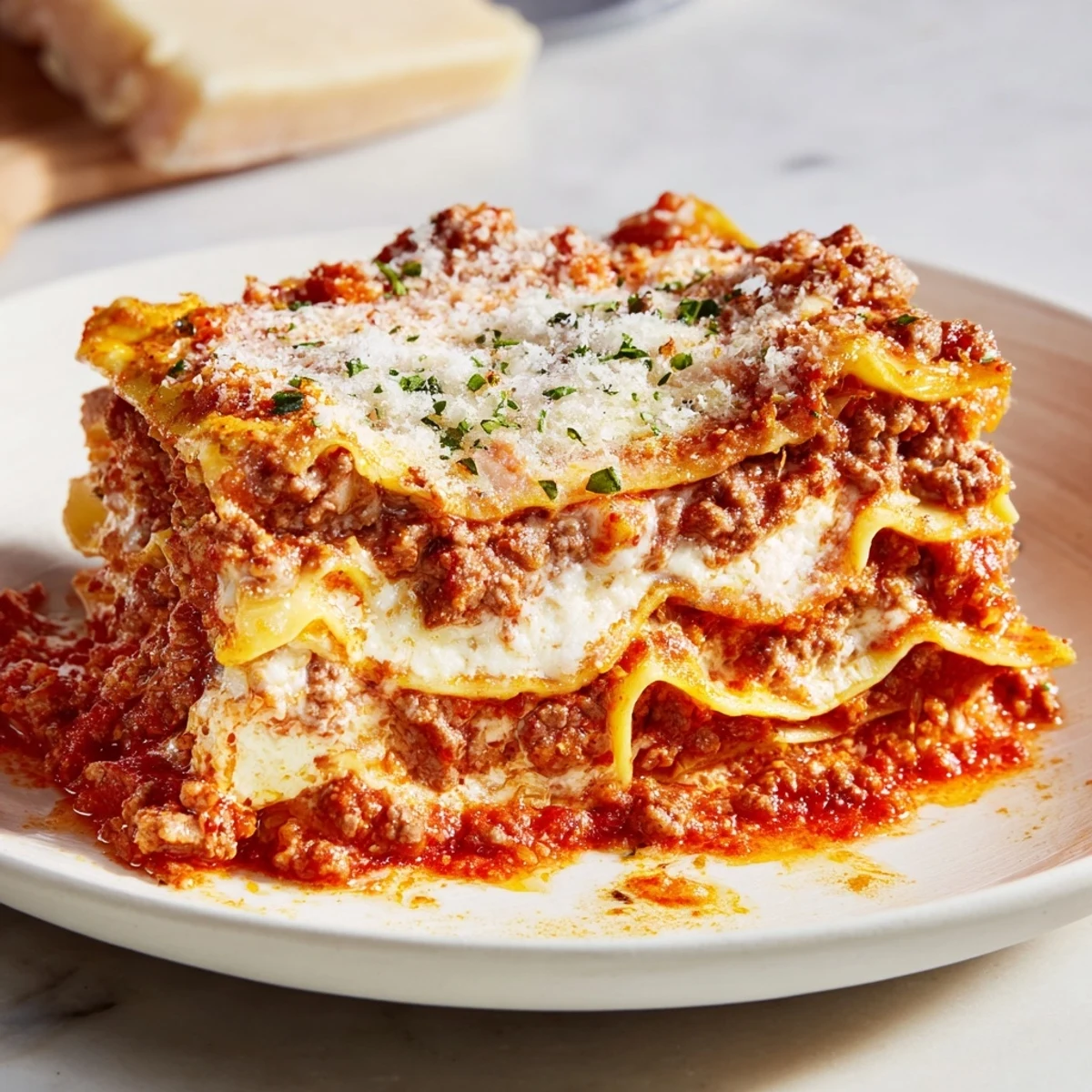
Lasagna works because each layer does its job without fighting for attention. The meat sauce is savory and deep, the ricotta is creamy and mild, and the mozzarella is stretchy and golden. When you cut into it, all those layers work together instead of competing, and somehow that feels important beyond just cooking.
Prep Ahead and Make Life Easier
You can make both the meat sauce and ricotta mixture up to 2 days ahead and store them in separate containers in the fridge. You can even assemble the whole lasagna, cover it with plastic wrap, and bake it straight from the fridge the next day—just add 5-10 minutes to the baking time since it starts cold.
Variations That Still Feel Right
If you want to add depth, brown half a pound of Italian sausage along with the beef—it brings a fennel note that makes people wonder what they're tasting. You can layer in sautéed spinach or roasted vegetables if you want something less heavy, and both work beautifully without changing the basic structure. Some people swap cottage cheese for ricotta, and while it's slightly different, it still works.
- A Chianti or Sangiovese pairs perfectly, and so does a simple green salad with lemon dressing to cut through the richness.
- Serve with warm, crusty bread for soaking up the extra sauce on your plate.
- Leftovers stay good for 3-4 days and taste even better reheated, with flavors that have continued developing.
 Pin It
 Make this when you want to feel like you've done something that matters, because feeding people something this good actually does matter. It's the kind of dish that turns an ordinary night into something people remember.
Recipe Questions & Answers
- → What type of beef is best for the sauce?
-
Ground beef with moderate fat content works best, providing richness without excess grease.
- → Can I use no-boil noodles in this dish?
-
Yes, no-boil noodles simplify preparation by skipping the cooking step before assembly.
- → How long should the sauce simmer?
-
Simmer the meat sauce uncovered for 20-25 minutes to develop deep flavors and reduce excess liquid.
- → Is it possible to add vegetables to this layered dish?
-
Absolutely, sautéed spinach or roasted vegetables can be layered for added texture and nutrition.
- → What’s the ideal baking temperature and time?
-
Bake covered at 375°F (190°C) for 25 minutes, then uncovered for an additional 20-25 minutes until cheese is golden.