
 Pin It
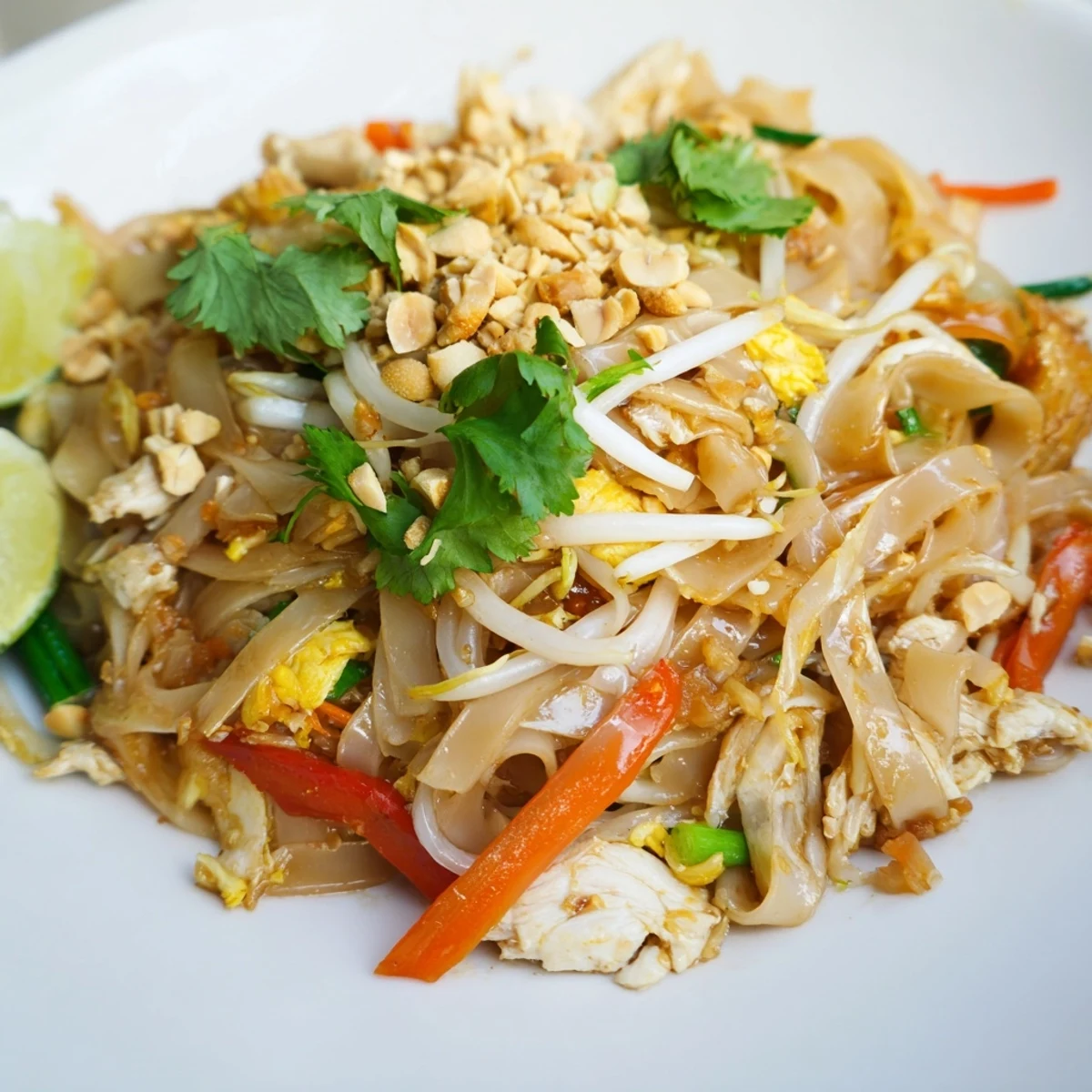
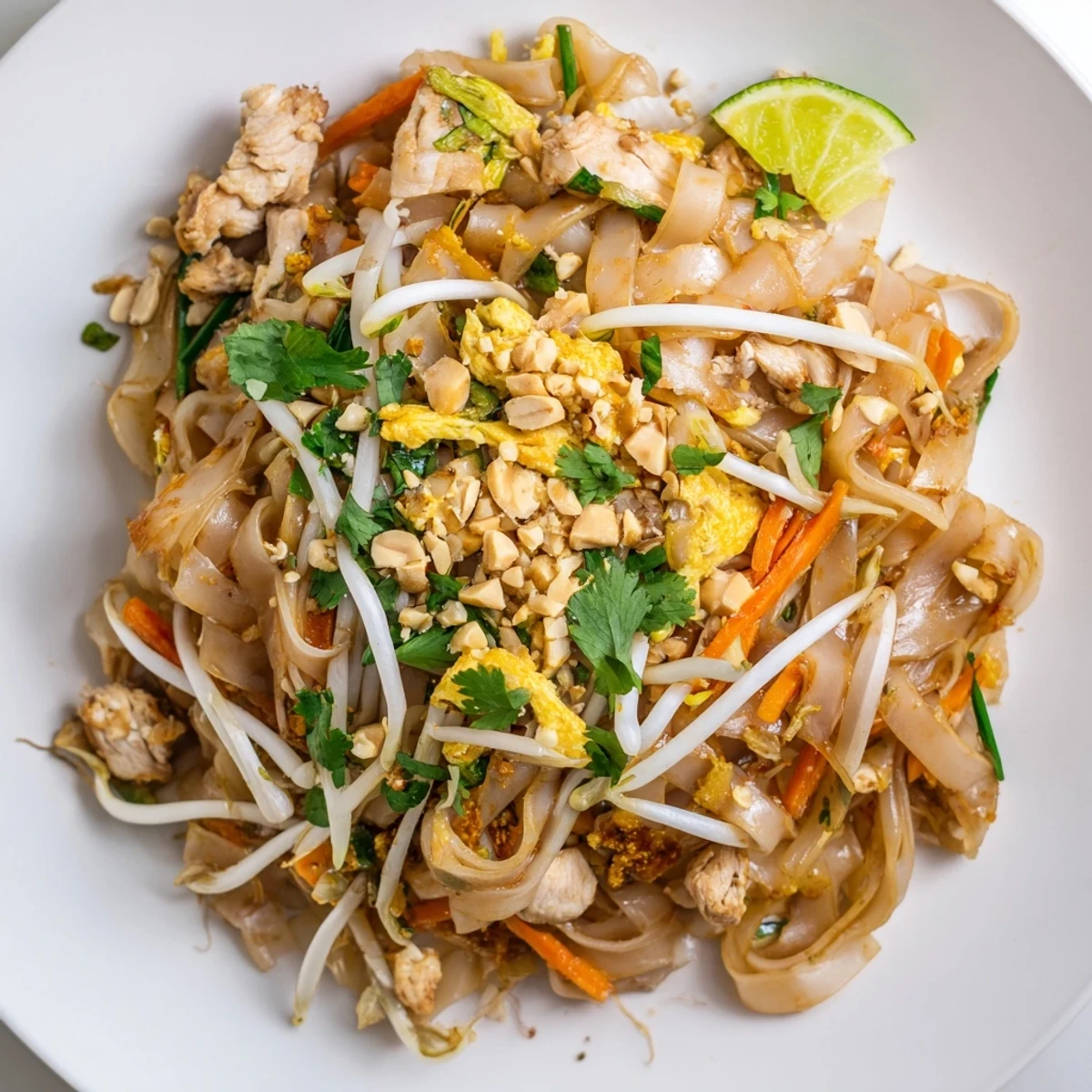
 This classic Thai stir-fry combines tender chicken pieces with wide rice noodles in a tangy-sweet tamarind sauce. The dish achieves perfect balance through fish sauce, palm sugar, and fresh lime juice. Crispy bean sprouts, aromatic garlic, and shallots add texture, while roasted peanuts provide essential crunch. Ready in under an hour, this dairy-free main serves four generous portions.
The first time I attempted Pad Thai at home, I ended up with a sticky, clumped mess of noodles that my husband gently referred to as "rice pudding with chicken." Three restaurant visits and many conversations with Thai cooks later, I finally understood that the secret lies in having everything prepped before you even turn on the stove, because once the wok gets hot, there is no time to chop or measure.
Last summer, my daughter requested Pad Thai for her birthday dinner instead of cake. She sat on the counter watching me cook, squeezing lime wedges over her portion like a tiny sous chef, and declared it better than our favorite restaurant down the street.
Ingredients
- 400 g boneless chicken breast or thighs: Thinly slice against the grain so each bite stays tender, not tough
- 250 g dried flat rice noodles: Soak just until pliable, they finish cooking in the sauce for perfect texture
- 3 tbsp fish sauce: The salty backbone that brings all flavors together
- 2 tbsp tamarind paste: Essential for that authentic sour note, lime juice alone cannot replicate it
- 2 tbsp palm sugar: Brown sugar works in a pinch but palm sugar adds caramel depth
- 2 large eggs: Room temperature eggs scramble into silkier ribbons throughout the noodles
- 3 tbsp vegetable oil: Split this between cooking chicken and aromatics to prevent sticking
- 3 garlic cloves, minced: Fresh garlic only, jarred makes the dish taste flat
- 1 small shallot, chopped: Shallots have a gentler sweetness than onions
- 100 g bean sprouts: Add last minute for satisfying crunch
- 60 g roasted peanuts: Chop these right before serving so they stay fresh
Instructions
- Prepare the noodles:
- Soak rice noodles in warm water for 20 to 30 minutes until they bend easily but still have a slight snap in the center. Drain them well and set aside.
- Mix the sauce:
- Whisk together fish sauce, tamarind paste, palm sugar, and soy sauce until the sugar completely dissolves.
- Cook the chicken:
- Heat 1½ tablespoons of oil in a large wok over medium-high heat, add the chicken slices, and stir-fry until just cooked through.
- Sauté aromatics:
- Add the remaining oil to the wok, then toss in garlic and shallots for 30 seconds until fragrant.
- Scramble the eggs:
- Push aromatics to the side and crack eggs into the cleared space, scrambling until just set.
- Combine and toss:
- Add noodles and sauce, tossing constantly to coat every strand evenly.
- Finish together:
- Return chicken to the wok, add bean sprouts, white parts of spring onions, and carrot, then stir-fry for 2 to 3 minutes.
- Garnish and serve:
- Remove from heat and top with peanuts, green onion slices, cilantro, lime wedges, and chili flakes.
 Pin It
 This recipe became our go-to Friday night dinner after a particularly grueling week when we needed comfort food that still felt special and light.
Getting That Restaurant Wok Flavor
Home stoves cannot achieve the same high heat as restaurant woks, but cooking in batches and letting your pan get properly hot between additions helps develop those coveted caramelized flavors.
Noodle Selection Matters
Look for rice noodles labeled as pad Thai or stir-fry noodles, usually about ¼ inch wide. Vermicelli is too thin and breaks apart during tossing.
Make It Your Own
The beauty of Pad Thai is how adaptable it is once you understand the sauce balance. Try swapping protein, adjusting vegetables, or playing with garnish levels.
- Shrimp cooks in just 2 minutes, add it with the noodles
- Firm tofu cubes work beautifully for vegetarian nights
- Extra crushed peanuts on top never hurt anyone
 Pin It
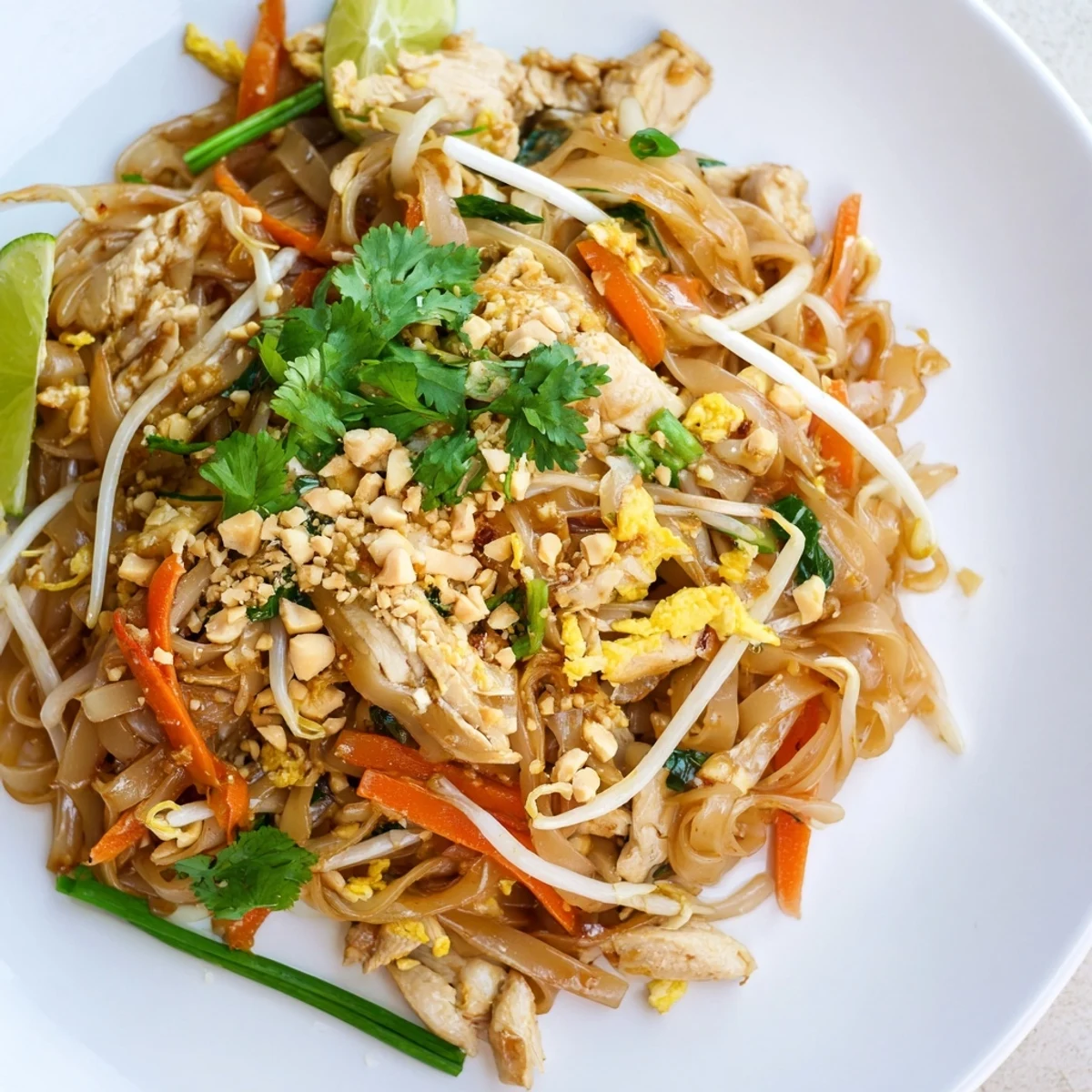
 Gather your friends, squeeze plenty of lime, and enjoy the satisfaction of making restaurant quality Pad Thai in your own kitchen.
Recipe Questions & Answers
- → What makes the sauce authentic?
-
The traditional sauce combines tamarind paste for tanginess, palm sugar for sweetness, fish sauce for saltiness, and lime juice for brightness. This balance of sweet, sour, and salty flavors defines authentic Pad Thai.
- → How do I prevent rice noodles from sticking?
-
Soak noodles in warm water until pliable but not fully soft. Drain well before stir-frying. The hot wok and sauce will finish cooking them. Toss constantly while frying to prevent sticking.
- → Can I make this vegetarian?
-
Substitute firm tofu for chicken and replace fish sauce with soy sauce or vegetarian fish sauce alternative. The cooking method remains the same, resulting in equally delicious plant-based version.
- → What's the secret to restaurant-style Pad Thai?
-
High heat, well-drained noodles, and proper sauce ratio are essential. Have all ingredients prepped before starting since stir-frying happens quickly. Garnish generously with peanuts, lime, and fresh herbs for authentic presentation.
- → How spicy should this dish be?
-
Traditional Pad Thai is not overly spicy. Serve chili flakes on the side so diners can adjust heat level. The focus is on the sweet-sour-tangy sauce profile rather than intense spiciness.