
 Pin It
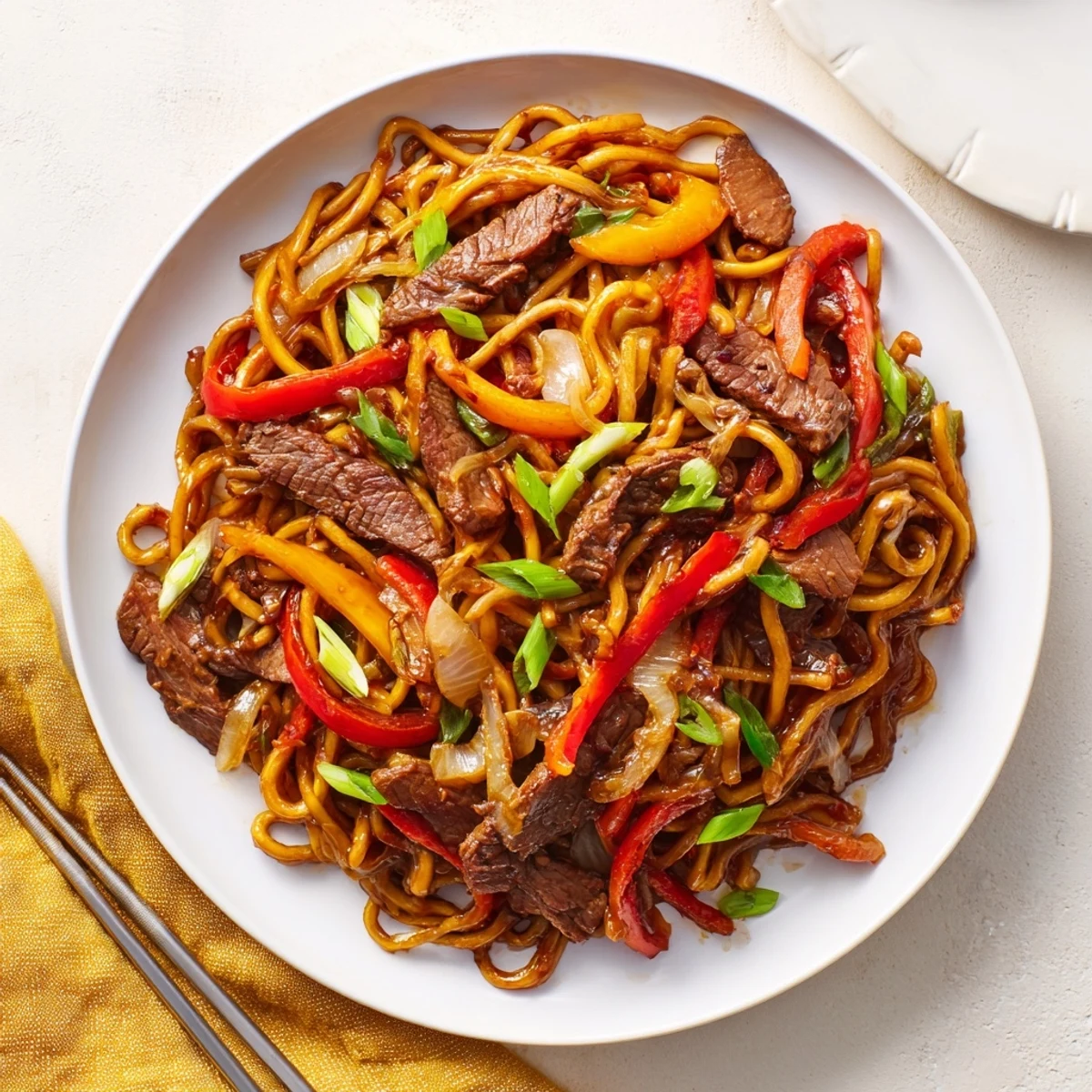
 This classic Chinese stir-fry combines thinly sliced beef sirloin with crisp red and yellow bell peppers and aromatic onions. The dish features egg noodles tossed in a well-balanced sauce made with soy, oyster sauce, hoisin, and sesame oil for that authentic restaurant flavor. Ready in just 35 minutes, this vibrant one-pan meal delivers tender meat, crunchy vegetables, and perfectly coated noodles.
The sizzle of beef hitting a smoking wok on a Tuesday evening is enough to make anyone forget it is not actually a Friday. My kitchen filled with the smell of sesame and soy the first time I attempted chow mein at home, and I promptly burned the noodles because I got distracted by a phone call. That mistake taught me everything about timing in stir frying. Now this dish is my reliable weeknight rescue, done in thirty five minutes from cutting board to plate.
My neighbor Dave knocked on my door one evening asking if I was running a restaurant because the hallway smelled that good. I invited him in and we ate standing around the kitchen island, chopsticks flying, barely talking between bites.
Ingredients
- Beef sirloin (350 g): Slice it thinly against the grain while it is still slightly firm from the fridge for the most tender result.
- Bell peppers (2, red and yellow): The color combination is not just pretty, the sweetness of each variety differs slightly and makes every bite interesting.
- Large onion (1): A thin slice caramelizes quickly in the wok and adds a mellow sweetness that grounds the whole dish.
- Spring onions (2): Reserved for garnish at the very end so they stay fresh and sharp.
- Garlic (2 cloves, minced): Fresh garlic makes a noticeable difference here, do not reach for the jarred version.
- Ginger (1 thumb sized piece, julienned): Thin strips distribute warm spice throughout the noodles better than grated ginger.
- Chow mein noodles (300 g): Egg noodles work as a fine substitute if your store does not carry traditional chow mein.
- Soy sauce (3 tbsp): This is the backbone salt of the entire sauce.
- Oyster sauce (1 tbsp): Adds a deep umami richness that ties everything together.
- Hoisin sauce (1 tbsp): A touch of sweetness and body that rounds out the sharper notes.
- Sesame oil (1 tbsp): Toasted sesame oil provides that unmistakable restaurant quality aroma.
- Cornstarch (1 tsp): Thickens the sauce just enough so it clings to the noodles instead of pooling.
- Water (1 tbsp): Helps dissolve the cornstarch smoothly into the sauce mixture.
- Black pepper (1/2 tsp): Freshly cracked is always better but regular works fine for a quick weeknight version.
- Sugar (1/2 tsp): Just enough to balance the saltiness without making anything sweet.
- Vegetable oil (2 tbsp): Divided use keeps the beef from sticking and the vegetables from steaming.
Instructions
- Mix the sauce first:
- Whisk together soy sauce, oyster sauce, hoisin, sesame oil, black pepper, sugar, cornstarch, and water in a small bowl until smooth. Set it near the stove because everything moves quickly once cooking starts.
- Cook and drain the noodles:
- Follow the package directions for your noodles, then drain and rinse under cold water to halt cooking. Toss them with a few drops of sesame oil to prevent sticking.
- Sear the beef:
- Heat one tablespoon of vegetable oil in your wok over the highest heat your stove allows. Spread the beef in a single layer and let it sear without moving for about a minute before tossing, then cook another minute until browned and remove immediately.
- Build the aromatics:
- With the remaining oil in the same wok, toss in the garlic, ginger, and onion, stirring constantly for one minute until your kitchen smells incredible.
- Toss in the peppers:
- Add the sliced bell peppers and stir fry for two to three minutes, keeping some bite in them because they will soften slightly more later.
- Bring it all together:
- Return the beef to the wok, add the noodles, and pour the sauce over everything. Toss vigorously for two to three minutes until every strand is coated and glossy.
- Finish and serve:
- Scatter the spring onions over the top and serve straight from the wok while everything is piping hot.
 Pin It
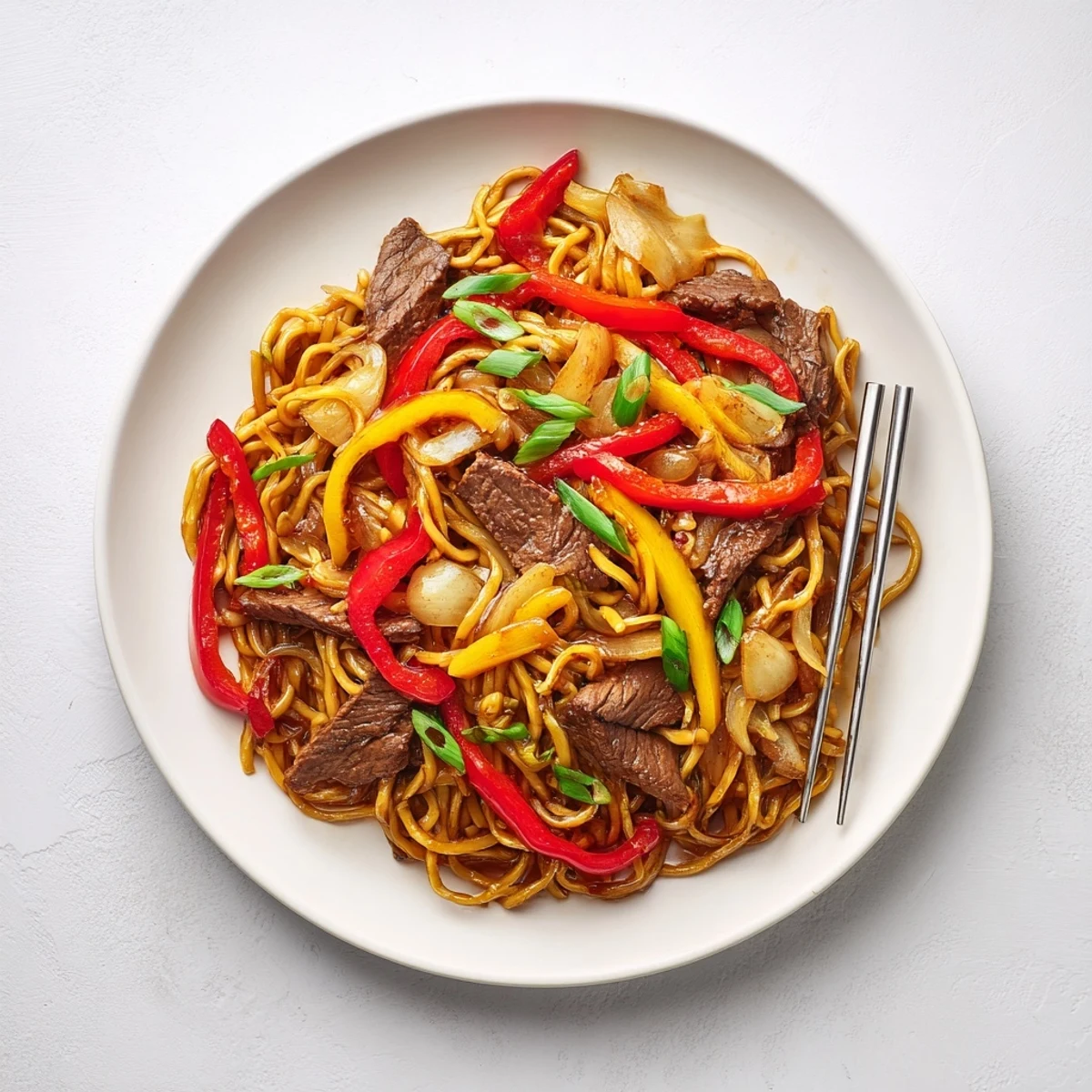
 There is something deeply satisfying about the controlled chaos of stir frying, the clatter of the spatula, the smoke curling up, the colors brightening before your eyes. This dish stopped being just dinner the night my teenager asked for seconds and then wrapped the leftovers for school the next day.
The Wok Makes a Difference
A well seasoned carbon steel wok develops a natural nonstick surface that actually improves the flavor of your food over time. If you only have a large skillet, it will work, but avoid crowding the pan. The biggest home cook mistake is using heat that is too low, so let the wok smoke a little before adding ingredients.
Beef Cutting Tricks
Pop the sirloin into the freezer for fifteen minutes before slicing and you will get paper thin pieces with almost no effort. Cutting against the grain shortens the muscle fibers and gives you that melt in your mouth tenderness. If you want extra insurance, a quick marinade of soy sauce and cornstarch for ten minutes transforms already good beef into something remarkable.
Making It Your Own
This recipe is a framework more than a rigid set of rules, and once you nail the sauce ratio you can swap nearly everything else.
- Snow peas or julienned carrots add crunch and color without changing the cooking time.
- Chicken thighs, firm tofu, or large shrimp all work beautifully in place of beef.
- A cold lager or a cup of jasmine tea on the side turns a random weeknight into something worth remembering.
 Pin It
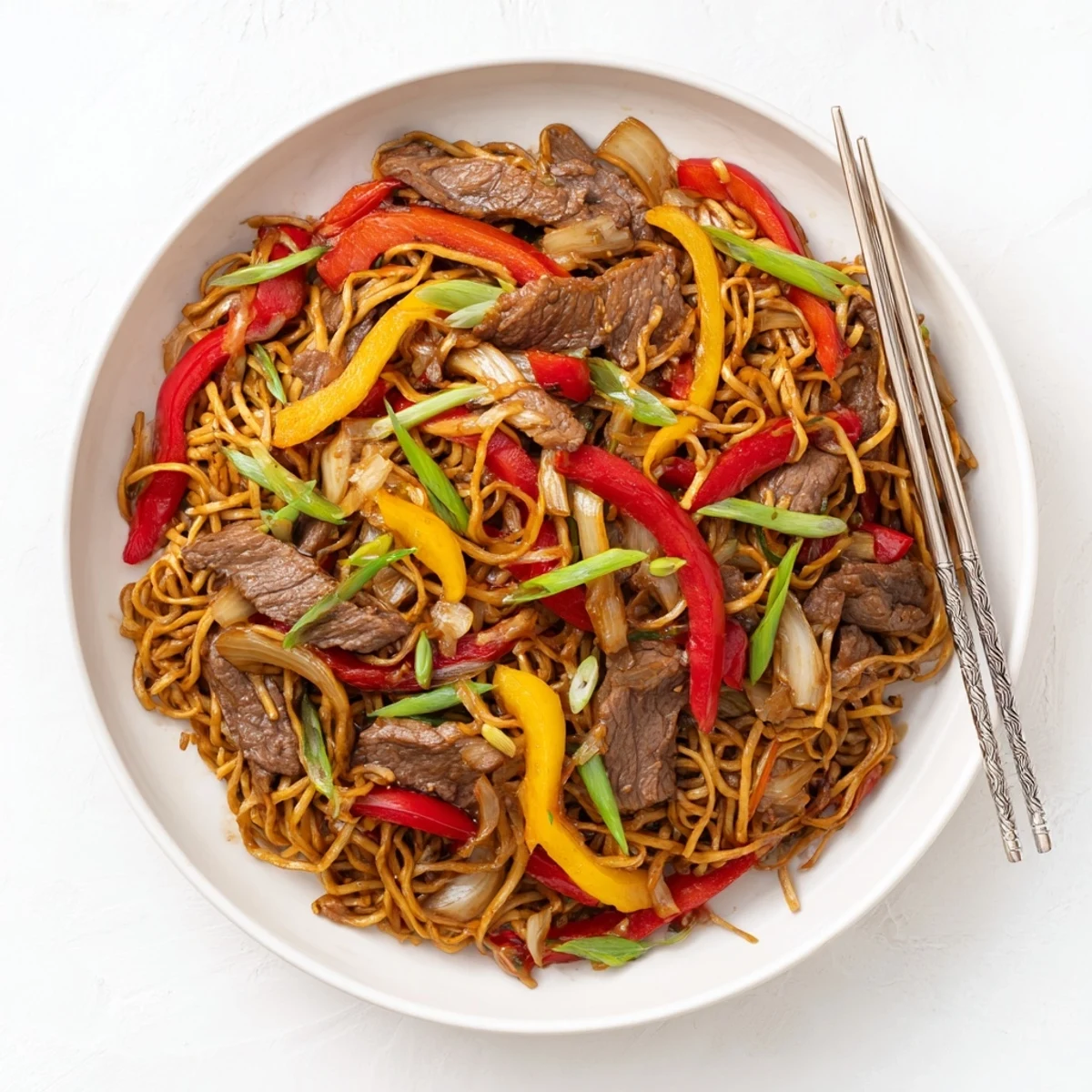
 Some meals are about nourishment and some are about joy, and this bowl of glossy, tangle topped noodles manages to be both. Grab your wok, turn up the heat, and trust the sizzle.
Recipe Questions & Answers
- → What cut of beef works best for chow mein?
-
Beef sirloin is ideal for its tenderness and flavor. Slice it thinly against the grain to ensure tender pieces that cook quickly in the high-heat stir-fry.
- → Can I prepare the sauce in advance?
-
Yes, mix the sauce ingredients ahead of time and store in the refrigerator for up to 3 days. This makes the actual cooking process faster and more efficient.
- → What noodles should I use?
-
Traditional chow mein noodles or egg noodles work best. Fresh egg noodles yield the best texture, but dried noodles cooked al dente are an excellent alternative.
- → How do I prevent the beef from becoming tough?
-
Slice the beef thinly and stir-fry quickly over high heat just until browned. Avoid overcooking, and remove promptly from the wok to maintain tenderness.
- → Can I make this vegetarian?
-
Yes, substitute beef with firm tofu or extra vegetables. Replace oyster sauce with vegetarian mushroom sauce to maintain the rich umami flavor profile.
- → How do I store leftovers?
-
Store in an airtight container in the refrigerator for up to 3 days. Reheat in a wok or skillet over medium heat, adding a splash of water if needed to refresh the sauce.