
 Pin It
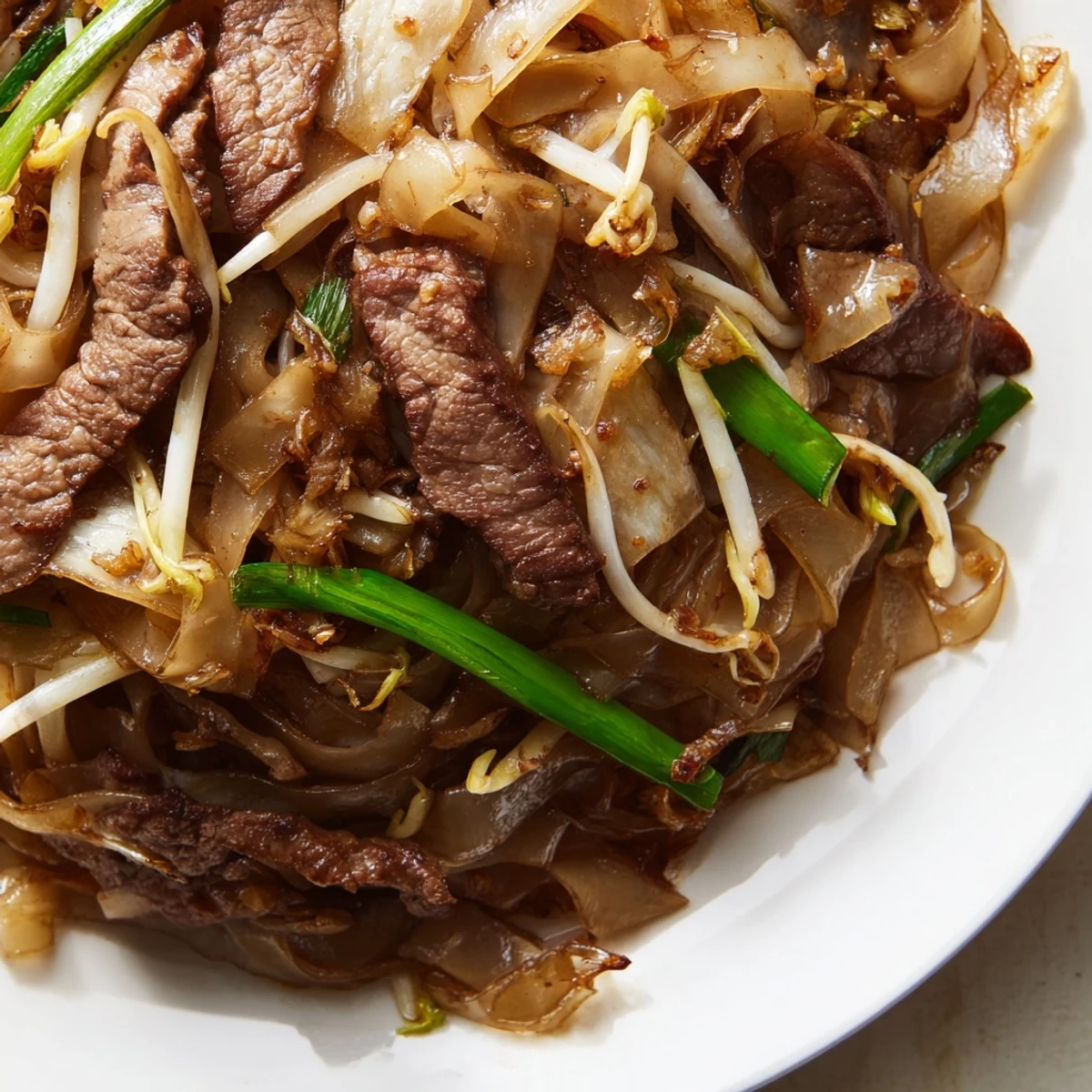
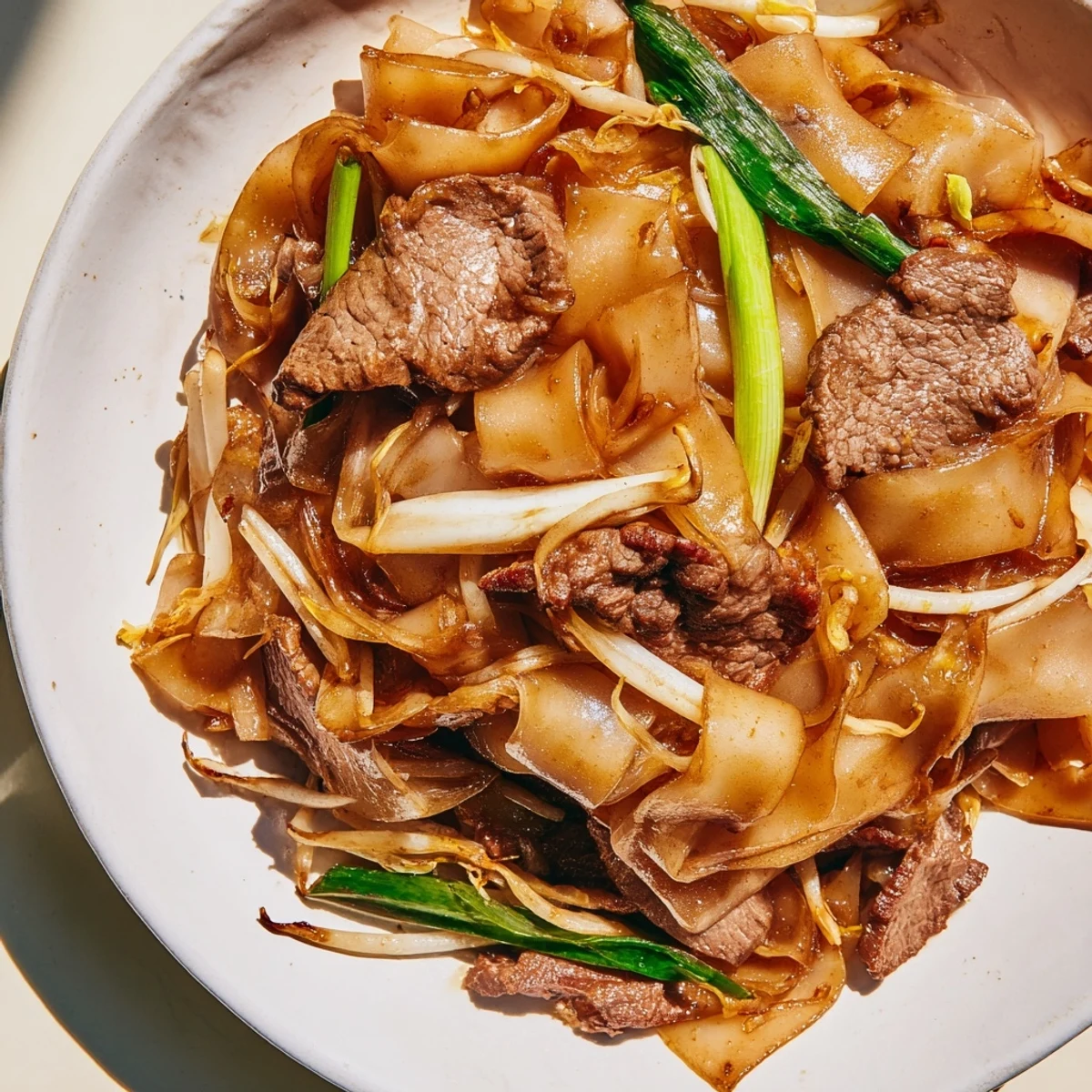
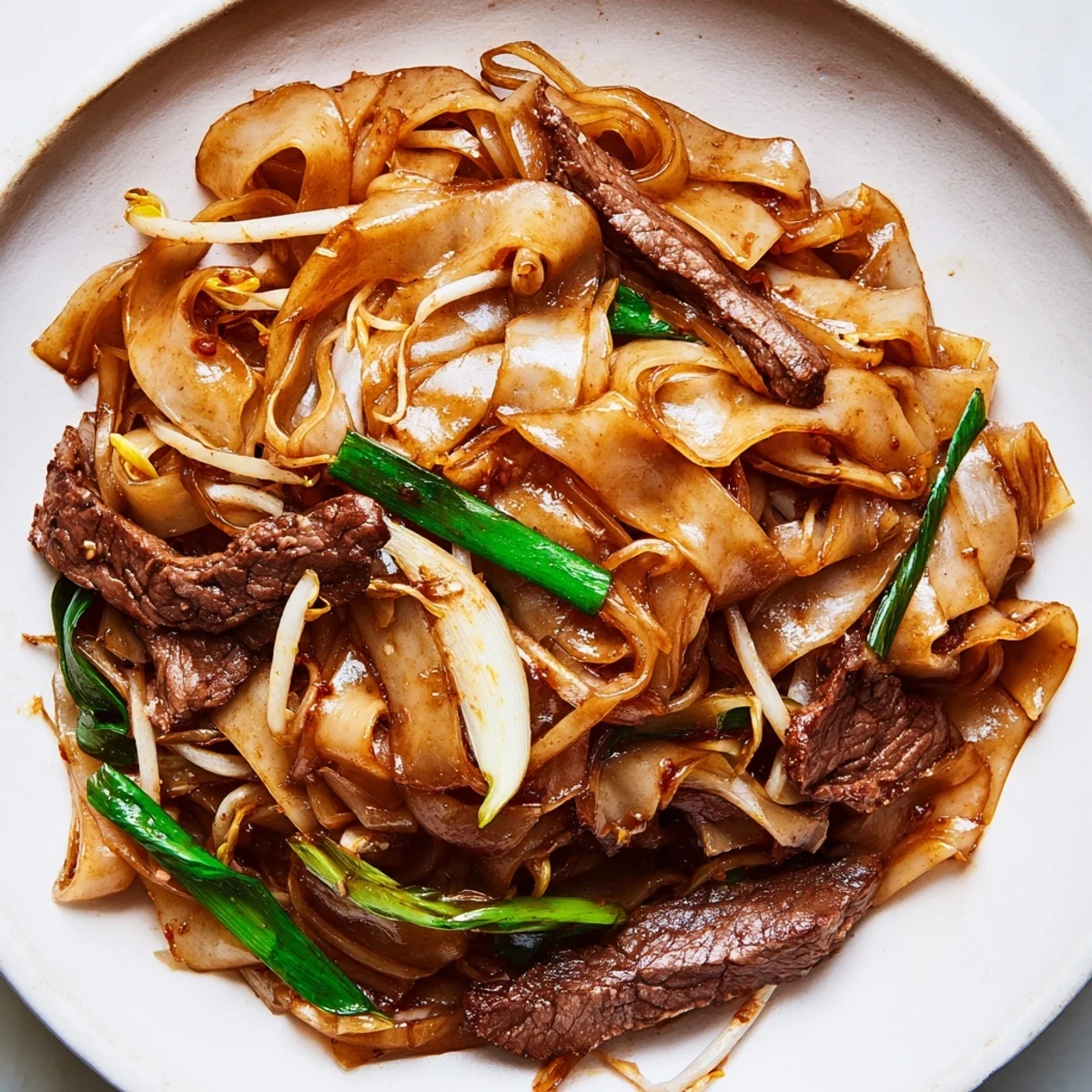
 Experience the authentic flavors of Cantonese cuisine with this classic beef chow fun. Wide rice noodles wok-seared to perfection create that signature smoky aroma, while thinly sliced flank steak adds protein and richness. The combination of light and dark soy sauce with oyster sauce delivers a balanced umami profile that coats every strand of noodle. Bean sprouts provide essential crunch, contrasting beautifully with the tender beef and soft noodles. Perfect for weeknight dinners, this dish comes together quickly but tastes like restaurant-quality takeout.
The wok was already smoking when my grandmother's neighbor yelled over the fence about proper heat control. That's when I understood Beef Chow Fun isn't just quick cooking—it's about hitting that narrow window where everything happens at once. The noodles need to sear, the beef needs to stay tender, and the sauce must coat every strand without making them soggy. Getting that restaurant-style char at home took me years to figure out.
Last winter, my roommate walked in during a snowstorm and I had a steaming platter ready. She took one bite and admitted she'd been ordering delivery for years, never realizing how simple it actually was. Now we make it every Sunday night, experimenting with different vegetables but never touching the core technique. Some recipes become part of your rhythm like that.
Ingredients
- Flank steak: Slice against the grain and thin—it breaks down muscle fibers so every bite melts
- Cornstarch: This creates a protective velvet coating on beef, keeping it silky through high heat
- Fresh rice noodles: The wide ones absorb sauce beautifully while keeping their chew
- Bean sprouts: They add a fresh crunch that balances the rich, savory noodles
- Dark soy sauce: Provides that deep color and caramel richness without being too salty
Instructions
- Marinate the beef:
- Combine flank steak with soy sauce, cornstarch, Shaoxing wine, and oil. Let it sit for 10-15 minutes while you prep everything else.
- Mix your sauce:
- Whisk together light soy sauce, dark soy sauce, oyster sauce, sugar, and water in a small bowl. Keep it nearby—stir-frying waits for no one.
- Prep the noodles:
- If refrigerated noodles are stiff and stuck together, steam them for a minute or microwave briefly. Gently separate the strands with your hands.
- Sear the beef quickly:
- Heat a wok over high heat with 1 tablespoon oil. Sear the beef for 1-2 minutes until just browned, then remove it immediately. Overcooking here ruins everything.
- Build your base:
- Add another tablespoon of oil to the wok. Stir-fry onions and most of the spring onions for 1-2 minutes until fragrant.
- Char the noodles:
- Add rice noodles, spreading them out in a single layer. Let them sear undisturbed for 1 minute to develop that essential charred flavor.
- Bring it together:
- Pour in the sauce and toss quickly to coat. Return beef, add bean sprouts, and stir-fry for 1-2 minutes until everything is hot and glossy. Top with reserved spring onions.
 Pin It
 My cousin once tried making this and called me in tears because the noodles turned into a glued-together mess. She hadn't softened them first and panicked when they wouldn't separate. We laughed about it over takeout, but now she knows: gentle patience with cold noodles beats force every time.
Getting That Smoky Flavor
Restaurant woks reach temperatures home stoves can't match, but you can fake it. Let your wok get properly smoking hot before adding oil. The slight singe on ingredients creates wok hei—that elusive smoky essence that makes stir-fried food taste alive. Don't be afraid of a little smoke.
Noodle Secrets
Fresh noodles from Asian markets make all the difference here. They have that slipperiness dried noodles can't quite match. If you only have dried ones, cook them slightly less than the package suggests. They'll finish in the wok and won't turn mushy when tossed with sauce.
Sauce Adjustments
Every brand of soy sauce hits differently. Start with less dark soy sauce if you're worried about color intensity. You can always add more, but you can't take it back. The sauce should coat the noodles without drowning them.
- Taste your sauce before adding it to the wok
- If it's too salty, splash in a bit more water
- Adjust sugar if you like it sweeter
 Pin It
 This dish taught me that some recipes are worth the practice. Now it's muscle memory—slicing, marinating, timing each addition. I hope it becomes that kind of reliable favorite for you too.
Recipe Questions & Answers
- → What cut of beef works best for chow fun?
-
Flank steak is ideal due to its lean texture and ability to absorb marinades. Slice it thinly against the grain for maximum tenderness. Skirt steak or sirloin also work well if flank isn't available.
- → How do I prevent rice noodles from sticking?
-
Fresh noodles may need gentle separation before cooking. If refrigerated, steam or microwave briefly to soften. Keep them moving in the wok and have your sauce ready to add immediately after the noodles hit the hot pan.
- → Can I make this gluten-free?
-
Yes. Substitute tamari or coconut aminos for soy sauce, and use gluten-free oyster sauce or mushroom sauce. Check all sauce labels carefully, as many traditional Chinese sauces contain wheat.
- → What gives chow fun its smoky flavor?
-
The signature wok hei (breath of the wok) comes from high-heat stir-frying. Letting noodles sear undisturbed for a minute creates charred spots. A well-seasoned wok and proper heat distribution are essential.
- → Can I prepare this ahead?
-
For best results, cook fresh. However, you can slice and marinate the beef hours ahead, prepare the sauce, and chop vegetables. The actual stir-frying should happen just before serving to maintain texture.
- → What vegetables can I add?
-
Beyond bean sprouts and onions, try adding bok choy, sliced bell peppers, snow peas, or Chinese broccoli. Keep additions minimal to maintain the traditional noodle-focused character of the dish.