
 Pin It
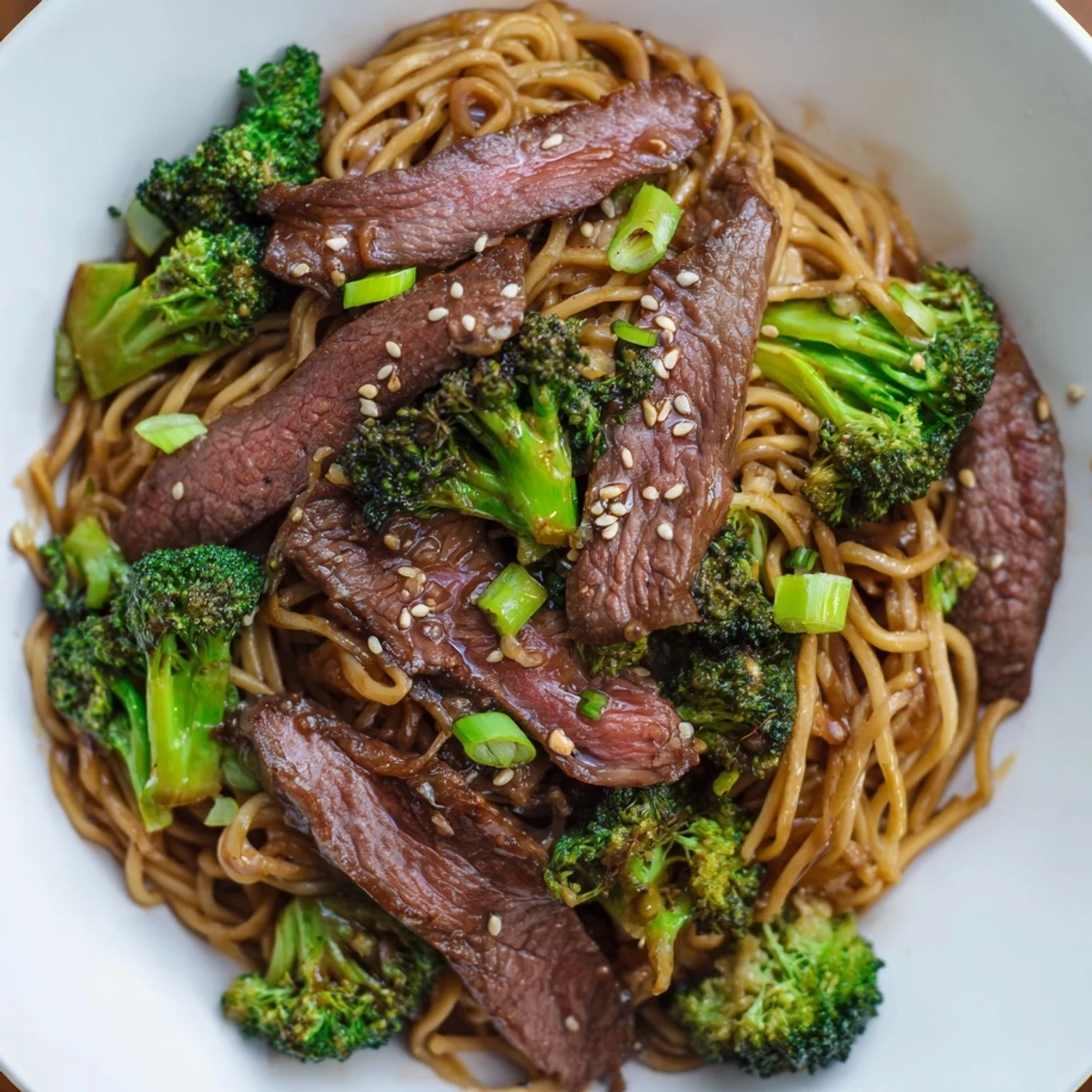
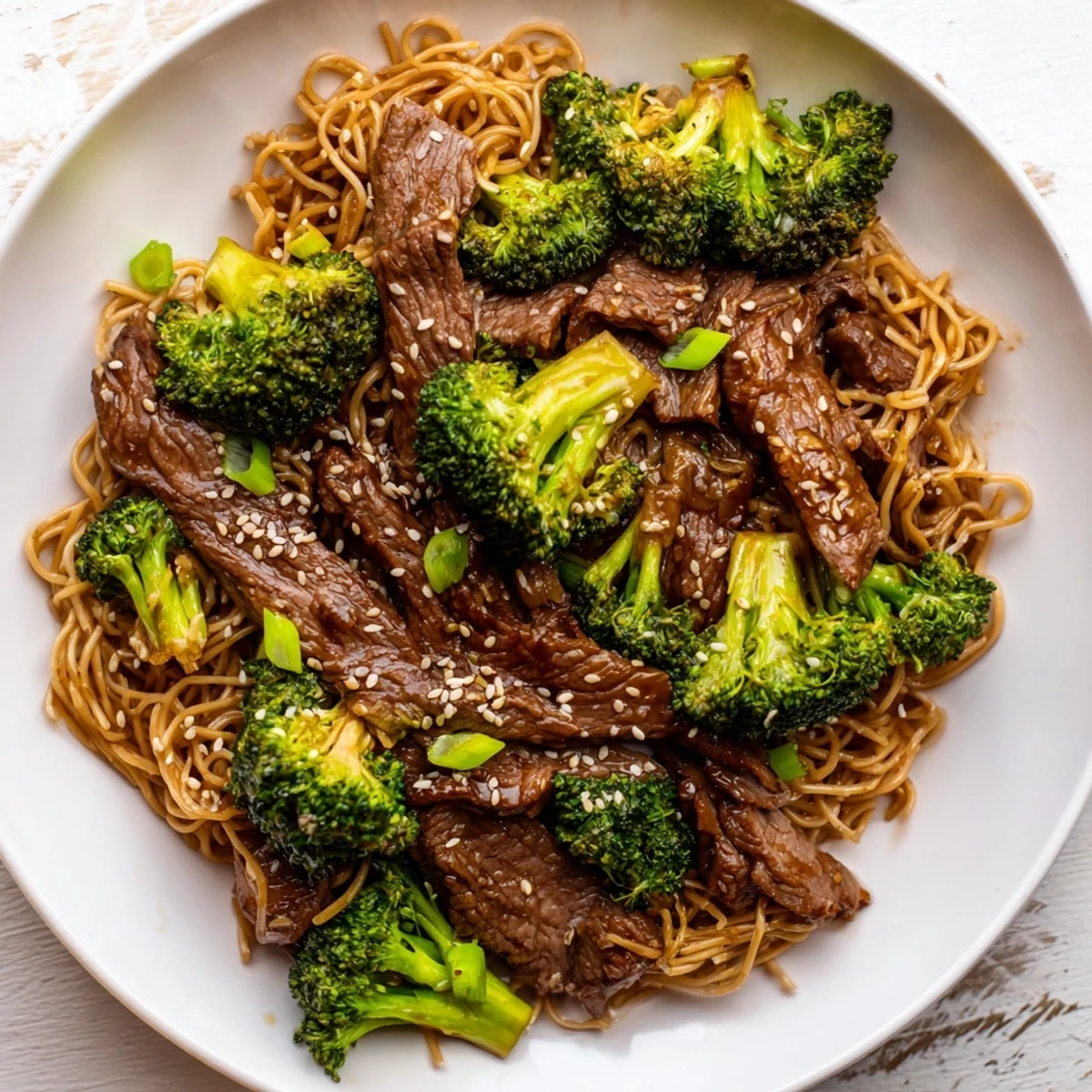
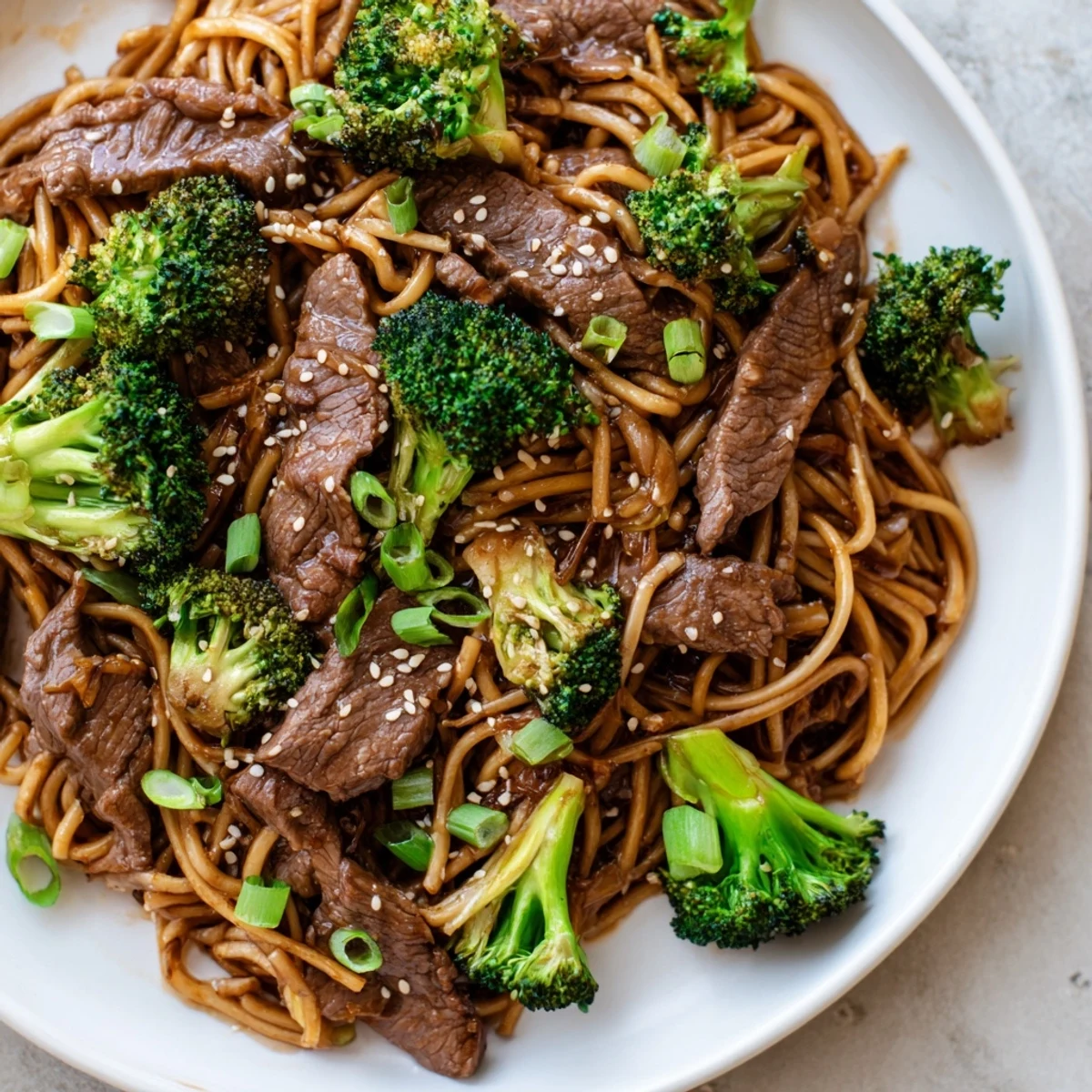
 This dish combines thinly sliced beef with crisp broccoli and tender lo mein noodles, all coated in a flavorful soy-based sauce enriched with oyster and hoisin notes. Toasted sesame seeds add a delightful crunch and aroma. Quick to prepare with simple stir-fry techniques, it balances textures and savory tastes for a fulfilling meal.
There's something about the sizzle of beef hitting hot oil in a wok that stops me mid-breath every time. I discovered this beef and broccoli lo mein on a quiet Tuesday when I was determined to recreate that perfect balance I'd tasted at a corner restaurant in the city—you know, the one where they somehow make everything taste effortless and bright. The first time I got the sauce right, I actually stood there amazed at how a bowl of noodles could taste so alive, so full of umami and just the right amount of sweet heat. Now it's the dish I turn to when I want to feel like I've traveled somewhere without leaving my kitchen.
I made this for my roommate on a particularly rough week, and watching her face light up when she tasted it reminded me why cooking matters. She asked for the recipe that night, and when I told her how simple it actually was, she laughed—the good kind of laugh that made the whole apartment feel warmer.
Ingredients
- Flank steak, thinly sliced: The key here is cutting against the grain, which breaks down the muscle fibers and gives you that tender bite even though flank is normally chewy. I learned this the hard way after my first attempt came out tough.
- Soy sauce and cornstarch for the beef: This quick marinade isn't just about flavor—the cornstarch creates a silky seal around the meat when you sear it, almost like a protective coating that keeps everything juicy.
- Broccoli florets: Don't chop them too small or they'll disappear into the sauce. I aim for florets about the size of my thumb, enough to feel substantial with each bite.
- Garlic and fresh ginger: Mince these as fine as you can because they're going into the hot oil for just 30 seconds, and you want that fragrance to bloom everywhere at once.
- Lo mein noodles: Fresh lo mein is ideal if you can find it at an Asian market, but honestly, even a quality egg noodle works beautifully.
- The sauce ingredients: This combination of soy, oyster, hoisin, sesame oil, rice vinegar, and a touch of brown sugar creates that umami-rich coating that makes you want to lick your bowl when no one's looking.
- Toasted sesame seeds: Toast them yourself if possible—the difference between store-bought and freshly toasted is like the difference between watching a sunset and living in it.
Instructions
- Prepare and marinate your beef:
- Slice your flank steak thin and against the grain—I hold my knife at about a 45-degree angle for that perfect yielding texture. Toss it with soy sauce, cornstarch, and pepper, then let it sit while you prep everything else.
- Mix your sauce:
- Whisk all the sauce ingredients together in a small bowl and taste it with a clean spoon. It should taste savory and slightly sweet, with a gentle hum of vinegar underneath—not balanced, actually, but harmonious.
- Cook the noodles:
- Follow the package instructions but pull them out a minute or two early if you like them with just a touch of chew. Cold water rinse stops them from cooking further and keeps them from clumping.
- Toast those sesame seeds first:
- This is a small step that makes an enormous difference—put your wok over medium heat, add the sesame seeds, and listen for that nutty aroma to fill the air. You'll know they're perfect right when they turn from pale to just slightly golden.
- Sear the beef quickly:
- Get your wok screaming hot, add oil, and lay that marinated beef flat without stirring for a minute or two. This creates those beautiful caramelized edges while keeping the inside tender and pink.
- Build flavor with aromatics:
- Once the beef is out, add a fresh tablespoon of oil, throw in your garlic and ginger, and count to 30 while stirring—that's all the time you need before the aroma tells you it's ready for the vegetables.
- Stir-fry the vegetables to crisp-tender:
- Broccoli and carrot go in together, and you want them to stay bright and have a little snap when you bite them. That takes about three to four minutes of constant tossing and listening to them crackle in the heat.
- Bring it all together:
- Return the beef to the wok with the cooked noodles, pour that glossy sauce over everything, and toss for about two minutes until the sauce coats every strand and every piece glistens under the light.
- Finish with a flourish:
- Stir in your spring onions right at the end so they stay fresh and bright, then transfer to a bowl or plates and crown it with those toasted sesame seeds you set aside earlier.
 Pin It
 This dish became sacred to me the night a friend who never cooks actually asked to make it with me. We stood shoulder to shoulder at the wok, and somehow that meal became less about food and more about those quiet moments of shared kitchen space where everything felt simple and perfect.
The Wok is Your Best Friend
If you don't have a traditional wok, a large skillet with high sides works beautifully—the real magic is in the high, dry heat that creates those caramelized edges and keeps everything moving. The wider surface means more beef can touch the pan at once, which means better browning instead of steaming. I've made this in cast iron, in regular skillets, even in a large sauté pan when I was away from home, and each time it comes out different but equally delicious.
Playing With Heat and Timing
Medium-high heat sounds simple until you realize every stove is different and what feels medium-high on yours might be too aggressive or too gentle on someone else's. The real test is watching the beef—it should brown quickly but not black, and the vegetables should go from raw to crisp in about four minutes. If things are burning before they cook through, lower your heat; if they're taking forever and getting soft, crank it up. Trust what your eyes tell you more than any timer on the screen.
Customizing Without Losing the Soul
I've made this with chicken breast sliced thin, with firm tofu cubes that get wonderfully crispy edges, and even with shrimp one memorable Sunday when that's all I had on hand. Each protein brings its own character while the sauce and noodles hold everything together like a warm embrace. The vegetables can shift too—snap peas instead of broccoli, mushrooms added to the mix, even a handful of bok choy if you want something leafy and tender.
- A pinch of chili flakes or a drizzle of Sriracha into the finished bowl adds heat without overwhelming the delicate balance of sweet and savory.
- If you're cooking for someone avoiding gluten, swap soy sauce for tamari and check that your noodles are certified gluten-free, and the dish becomes just as satisfying.
- Fresh or dried noodles both work—fresh ones have a tenderness that's almost buttery, while dried noodles hold their texture slightly better and feel more substantial.
 Pin It
 This is the kind of dish that reminds you that cooking doesn't require perfection or fancy ingredients, just presence and a little care. Make it once, and you'll be making it again within the week.
Recipe Questions & Answers
- → How do you tenderize the beef effectively?
-
Marinate thinly sliced beef with soy sauce, cornstarch, and black pepper for at least 10 minutes to enhance tenderness and flavor before cooking.
- → What is the best way to cook the broccoli for this dish?
-
Stir-fry broccoli florets quickly over high heat to retain a crisp-tender texture, preserving their bright color and fresh bite.
- → Can the noodles be substituted without changing the taste?
-
Egg or lo mein noodles work best, but you may use other wheat-based noodles. For gluten-free, tamari and gluten-free noodles are suitable alternatives.
- → How are sesame seeds incorporated into the dish?
-
Toast sesame seeds in a dry pan until golden and fragrant, then sprinkle over the dish just before serving for added crunch and aroma.
- → What variations can be made to the protein used?
-
Chicken or tofu can replace beef to suit dietary preferences, adapting the marinade and cooking times accordingly.